
In today’s fast-moving business environment, procurement is no longer a back-office function focused solely on buying goods at the lowest price. Instead, it has evolved into a strategic driver of cost control, supplier innovation, risk management, and operational efficiency. Procurement tools like Ariba for purchasing have transformed how organizations source, contract, and manage suppliers—bringing automation, visibility, and intelligence into every stage of the procurement lifecycle.
TLDR: Procurement platforms like Ariba digitize and automate purchasing processes, helping businesses control costs, improve compliance, and manage suppliers more effectively. They centralize sourcing, contracts, catalogs, and invoices into one system for better transparency and data-driven decisions. By reducing manual work and increasing visibility, these tools turn procurement into a strategic advantage. Companies of all sizes can benefit from improved efficiency, reduced risk, and stronger supplier relationships.
What Are Procurement Tools Like Ariba?
Procurement tools such as SAP Ariba are cloud-based platforms designed to manage the entire purchasing process—from sourcing suppliers to paying invoices. Rather than relying on spreadsheets, email threads, and disconnected systems, companies use these platforms to centralize and automate procurement activities.
At their core, these tools aim to:
- Streamline purchasing workflows
- Standardize sourcing processes
- Enhance supplier collaboration
- Improve spending visibility
- Ensure policy and regulatory compliance
Modern procurement solutions are typically cloud-based, making them scalable, secure, and accessible from anywhere. They integrate with enterprise resource planning (ERP) systems, finance platforms, and inventory management tools to create a seamless purchasing ecosystem.
Image not found in postmetaCore Features of Procurement Platforms
Procurement tools like Ariba offer a suite of interconnected modules that support each stage of the procurement lifecycle. Let’s break down the most important components.
1. Strategic Sourcing
Sourcing is the process of identifying, evaluating, and selecting suppliers. Digital procurement platforms enable organizations to:
- Issue Requests for Proposal (RFPs) and Requests for Quotation (RFQs)
- Compare bids side-by-side
- Evaluate supplier responses using scoring models
- Track sourcing events and outcomes
This structured approach increases competition among suppliers, driving better pricing and improved contract terms.
2. Supplier Management
Supplier information is consolidated into a central database, including:
- Performance metrics
- Certifications and compliance documentation
- Risk assessments
- Communication history
This makes it easier to monitor supplier health, reduce risk exposure, and build long-term relationships based on performance data rather than guesswork.
3. Contract Management
Contract lifecycle management features allow procurement teams to create, negotiate, approve, and store contracts in a digital environment. Automated alerts prevent missed renewals and help enforce negotiated terms.
Contracts are searchable and linked directly to purchase orders, which ensures that purchases align with agreed pricing and conditions.
4. Procure-to-Pay (P2P) Automation
One of the most powerful benefits of procurement software is automation across the procure-to-pay cycle:
- Employees select items from approved catalogs
- Purchase requests are routed for automatic approval
- Purchase orders are generated electronically
- Invoices are matched to orders and receipts
- Payments are processed faster and with fewer errors
This controlled workflow minimizes maverick spending and strengthens budget oversight.
Why Businesses Adopt Procurement Tools
Companies invest in tools like Ariba because manual procurement processes create inefficiencies and hidden risks. Spreadsheets, disconnected systems, and email-based approvals can lead to missed savings opportunities and compliance issues.
The primary advantages of digital procurement include:
Improved Cost Control
Centralized purchasing data gives procurement leaders a complete view of organizational spending. With better analytics, companies can identify:
- Overlapping vendor contracts
- Unapproved purchases
- Pricing inconsistencies
- Volume discount opportunities
This visibility often results in measurable cost reductions and negotiated savings.
Enhanced Transparency
Stakeholders can track purchase orders, approvals, supplier performance, and payment status in real time. This transparency increases accountability across departments.
Stronger Compliance
Built-in approval workflows ensure purchases follow company policies. Documentation trails simplify audits and regulatory reporting.
Reduced Risk
Procurement tools monitor supplier risk factors such as financial health, sanctions compliance, and performance trends. This proactive approach reduces disruptions.
Image not found in postmetaThe Role of Data and Analytics
One of the most transformative aspects of procurement platforms is their analytical capability.
Traditional procurement relied on periodic reports and static spreadsheets. Modern platforms deliver real-time dashboards that provide insights such as:
- Total spend by category
- Supplier performance trends
- Cycle times for approvals
- Contract compliance rates
Advanced systems may even incorporate predictive analytics to anticipate supply chain disruptions or forecast pricing trends based on global market indicators.
Data-driven procurement empowers leaders to shift from reactive purchasing to proactive strategy.
Supplier Collaboration in a Digital Network
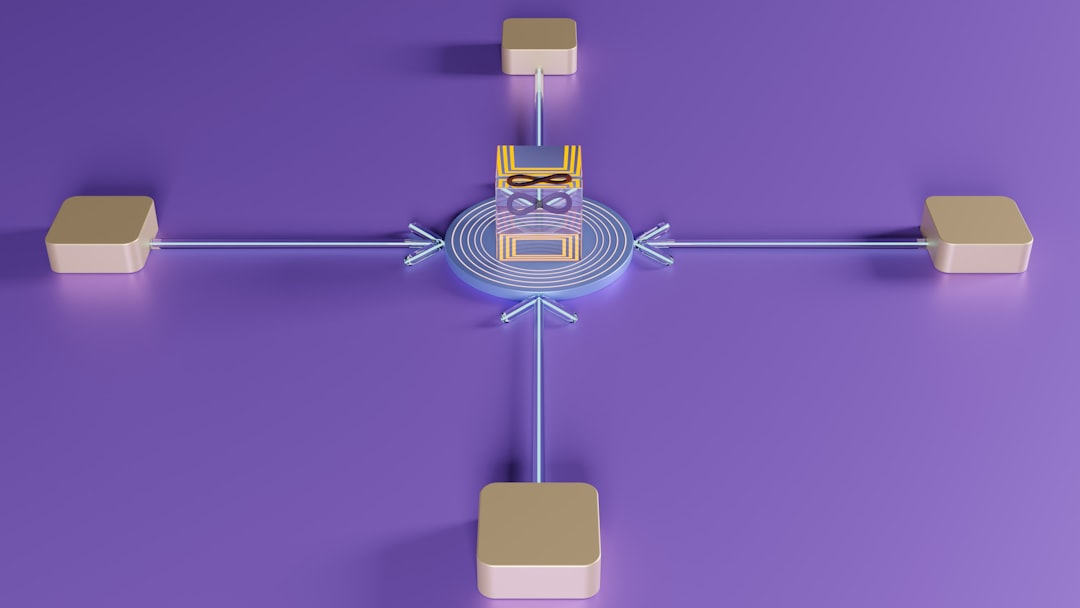
Many procurement tools operate as part of a broader supplier network. Suppliers maintain profiles, update certifications, submit bids, and process invoices within the system.
This ecosystem provides several benefits:
- Faster communication
- Standardized onboarding processes
- Reduced administrative burden
- Improved dispute resolution
Rather than functioning as adversaries in price negotiations, organizations and suppliers can collaborate on cost efficiencies, innovation, and long-term value creation.
Challenges and Implementation Considerations
Despite the benefits, adopting procurement tools like Ariba is not without challenges.
Change Management
Employees accustomed to informal purchasing methods may resist structured workflows. Successful implementations require:
- Clear communication
- Training programs
- Executive sponsorship
- Continuous support
System Integration
Integration with existing ERP, finance, and inventory systems is essential. Without proper integration, data silos can undermine the platform’s value.
Data Accuracy
Uploading outdated supplier records or incorrect pricing data can cause disruptions. Data cleansing is a critical step before going live.
Organizations that approach implementation strategically—often in phases—tend to achieve higher adoption rates and stronger ROI.
Industries That Benefit Most
While nearly every industry can benefit from procurement digitization, some sectors see particularly strong returns:
- Manufacturing: Complex supply chains and direct material sourcing demand rigorous oversight.
- Healthcare: Compliance, supplier reliability, and cost control are critical.
- Government: Transparency and auditability are essential for public accountability.
- Retail: Vendor coordination and cost management directly impact profit margins.
- Technology: Rapid growth requires scalable procurement infrastructure.
In large enterprises, procurement can represent a majority of total organizational spend. Even small efficiency gains deliver substantial savings.
The Future of Procurement Technology
Procurement tools continue to evolve. Emerging trends include:
- Artificial intelligence for demand forecasting and supplier risk prediction
- Robotic process automation (RPA) for repetitive transactional tasks
- Blockchain integration for supply chain traceability
- Mobile procurement apps for on-the-go approvals
The transformation of procurement reflects a broader digital shift across organizations. As companies rely more on global suppliers, real-time insights and automation become critical not just for efficiency but for resilience.
Turning Procurement Into a Strategic Function
Perhaps the most important impact of platforms like Ariba is the repositioning of procurement within the organization. Instead of being viewed purely as a cost center, procurement becomes:
- A strategic advisor to executive leadership
- A guardian of compliance and risk mitigation
- A driver of supplier innovation
- A key contributor to sustainability goals
With better data, automation, and global supplier connectivity, procurement teams can focus less on paperwork and more on strategy. They can analyze market trends, negotiate value-creating partnerships, and align purchasing with corporate objectives such as environmental responsibility and diversity sourcing.
Final Thoughts
In a world of increasing complexity, digital procurement tools like Ariba offer structure, visibility, and control. They simplify the purchasing lifecycle while delivering actionable insights that drive better decision-making. From sourcing events to invoice management, every step is designed to increase efficiency and reduce risk.
Organizations that invest in procurement technology are not merely upgrading software—they are redefining how they manage spending and supplier relationships. With the right implementation strategy and leadership support, procurement tools can become one of the most powerful levers for operational excellence and long-term competitiveness.