
Virtual reality has evolved from a niche experimental medium into a powerful platform for enterprise training, gaming, healthcare, education, and immersive storytelling. While Unreal Engine is widely recognized for its high-fidelity graphics and robust VR toolset, it is not the only option available to developers seeking to build compelling immersive experiences. Several other VR development platforms offer unique strengths, flexible workflows, and scalable capabilities suited to different project requirements and team structures.
TLDR: While Unreal Engine remains a leading VR development platform, there are other powerful alternatives worth serious consideration. Unity, CryEngine, and Amazon Sumerian each offer distinct strengths in performance, scalability, and ease of development. Choosing the right platform depends on project goals, hardware targets, team expertise, and long-term scalability needs. Understanding these alternatives ensures better alignment between technical tools and immersive ambitions.
1. Unity: Versatile, Accessible, and Industry-Proven
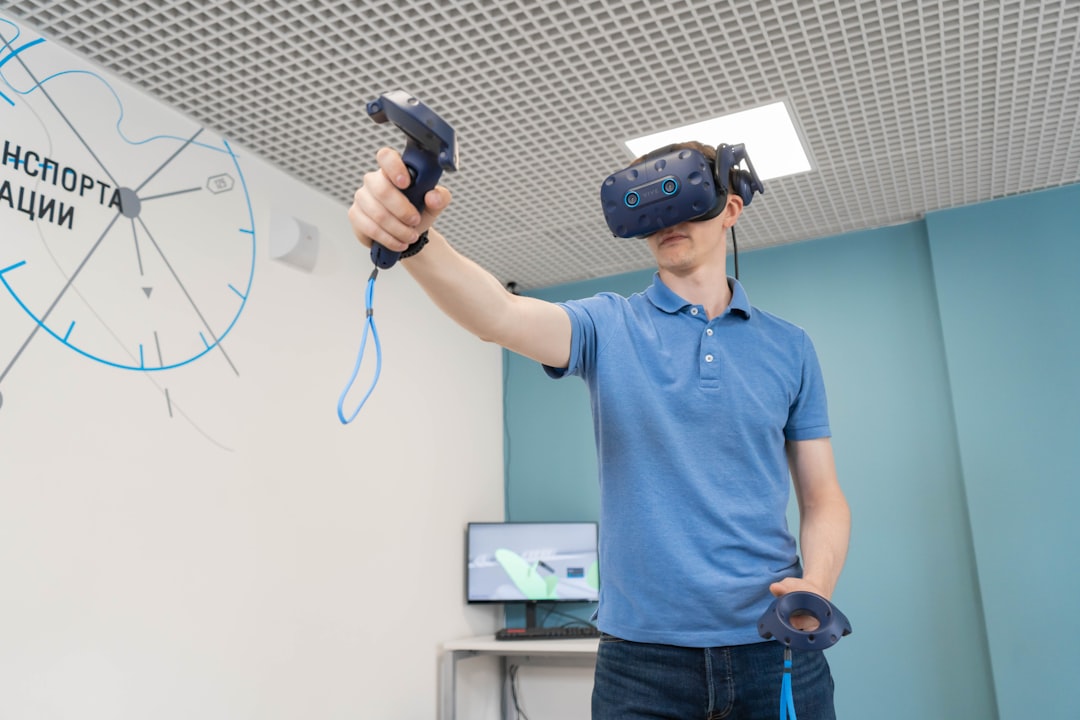
Unity is one of the most widely adopted real-time development platforms in the world, particularly in VR and AR development. Known for its flexibility and cross-platform support, Unity enables developers to build immersive experiences for devices such as Meta Quest, HTC Vive, PlayStation VR, and Windows Mixed Reality.
Why Unity Stands Out
- Cross-Platform Compatibility: Unity supports deployment across more than 25 platforms, making it ideal for projects that require broad accessibility.
- Strong VR SDK Integration: It integrates seamlessly with major VR SDKs including OpenXR, Oculus Integration, and SteamVR.
- Large Developer Community: A vast ecosystem of tutorials, plugins, and support forums reduces development friction.
- C# Scripting Simplicity: The use of C# makes it accessible to a wide range of programmers.
Unity is often favored for enterprise training simulations, architectural visualization, serious games, and medical VR applications. Its balance between performance and usability allows both small startups and large studios to create immersive systems efficiently.
The platform’s asset store is another significant advantage. Developers can accelerate workflows by leveraging pre-built assets, scripts, and VR interaction packs, which reduces time-to-market.
Considerations
While Unity excels in flexibility, achieving ultra-high visual fidelity may require additional optimization compared to engines designed primarily for photorealism. Performance tuning is especially important when targeting standalone VR headsets with limited processing power.
Nonetheless, Unity’s versatility and maturity make it one of the strongest alternatives to Unreal Engine in the VR landscape.
2. CryEngine: High-Fidelity Rendering for Realistic VR
CryEngine is renowned for its cutting-edge rendering capabilities and visually striking environments. Originally known for powering graphically intense games, it has evolved into a serious contender for immersive VR experiences that demand realism and detailed environmental interaction.

What Makes CryEngine Distinctive
- Advanced Real-Time Rendering: Exceptional lighting, shadows, and environmental effects.
- Efficient Sandbox Editor: Real-time editing within immersive 3D environments.
- Strong Environmental Simulation: Dynamic weather systems and physics-based interactions enhance realism.
- No Mandatory Royalties (Flexible Licensing): Attractive for certain commercial models.
For VR experiences where environmental immersion is the primary objective—such as architectural walk-throughs, defense simulations, or high-end experiential marketing—CryEngine offers impressive advantages. Its physically based rendering (PBR) pipelines help maintain realism across different lighting conditions, which is essential in VR where users are free to look in any direction.
Another strength lies in terrain rendering technology. Large-scale outdoor VR environments benefit from CryEngine’s efficient terrain streaming and vegetation systems.
Challenges to Consider
CryEngine is often regarded as more technically demanding than Unity. The learning curve can be steep, particularly for teams unfamiliar with its workflows. Documentation, while improving, may not be as extensive as what is available for Unity.
Additionally, community size and third-party asset marketplaces are smaller compared to Unity’s ecosystem. Teams may need more in-house expertise when building complex systems.
However, for projects prioritizing graphical immersion and outdoor environmental realism, CryEngine remains a formidable alternative.
3. Amazon Sumerian: Cloud-Based VR and AR Experiences
Amazon Sumerian represents a different approach to immersive development. Rather than focusing solely on high-end gaming or simulation graphics, it emphasizes accessibility, browser-based deployment, and cloud integration.

Key Advantages
- Browser-Based Deployment: Build and run immersive experiences directly in compatible browsers.
- No Advanced Graphics Hardware Required: Lower barrier to entry for educational and enterprise applications.
- Integrated AWS Services: Seamless connection with cloud storage, AI services, and analytics.
- Drag-and-Drop Interface: Simplifies scene creation for non-expert developers.
Amazon Sumerian is particularly suited for:
- Corporate training modules
- Educational simulations
- Remote collaboration environments
- Virtual customer service avatars
By leveraging AWS infrastructure, developers can embed intelligent virtual agents powered by machine learning and speech recognition. This makes the platform especially useful for interactive training scenarios and guided enterprise workflows.
Limitations
Sumerian is not typically chosen for high-performance gaming VR or photorealistic simulations. Its strength lies in scalability and cloud integration rather than cutting-edge rendering.
Organizations seeking lightweight immersive solutions that prioritize accessibility over hyper-realism often find it well aligned with their objectives.
Comparative Overview
When evaluating VR development platforms, it is essential to align capabilities with business and technical goals. Below is a simplified comparison:
- Unity: Best for versatility, cross-platform development, strong community support.
- CryEngine: Ideal for visually intense, realistic environments.
- Amazon Sumerian: Suitable for browser-based, cloud-connected enterprise applications.
Key decision factors include:
- Target VR hardware
- Required graphical realism
- Team programming expertise
- Budget and licensing structure
- Long-term maintenance and scalability
Strategic Considerations for Choosing a VR Platform
Beyond features and graphics, serious immersive projects require evaluation at multiple levels:
1. Performance Optimization: VR demands consistent high frame rates to prevent motion sickness. Engine efficiency and rendering stability are critical.
2. Development Workflow: Iteration speed affects project timelines. Tools with intuitive editors and debugging support reduce production costs.
3. Ecosystem Maturity: A large marketplace and developer network can significantly lower risk.
4. Long-Term Viability: The platform’s roadmap and backing organization influence sustainability.
Unity excels in ecosystem maturity. CryEngine differentiates through visual appeal. Amazon Sumerian offers seamless cloud synergy. Each addresses different aspects of immersive strategy.
The Broader VR Development Landscape
The VR industry is moving toward increased interoperability through standards such as OpenXR. This reduces vendor lock-in and allows developers to switch or integrate across platforms more easily.
Additionally, advancements in:
- Eye-tracking technology
- Haptic feedback systems
- AI-driven character behavior
- 5G and cloud streaming
are reshaping expectations for immersive experiences.
Development platforms must therefore evolve not just in rendering capabilities but in network integration, AI support, and performance efficiency.
Conclusion
While Unreal Engine remains a dominant force in VR development, it is far from the only credible option. Unity offers unmatched flexibility and accessibility. CryEngine delivers remarkable environmental realism suited for immersive, visually striking projects. Amazon Sumerian fills a strategic niche by enabling cloud-based, browser-accessible immersive systems tailored to enterprise and educational contexts.
Choosing the right VR platform requires careful assessment of performance requirements, graphical demands, technical expertise, and long-term strategic goals. By understanding the strengths and trade-offs of these alternatives, developers and decision-makers can confidently build immersive experiences that are not only visually compelling but also scalable and sustainable.
Ultimately, the best platform is not defined by popularity alone, but by how effectively it transforms creative vision into immersive reality.