
Remote work and online study have made personal productivity more important than ever. Without a classroom bell, office routine, or manager nearby, people must decide not only what to work on, but also when and how to protect their attention. Two of the most widely used systems are time blocking and the Pomodoro Technique. Both can improve focus, but they solve different problems and suit different working styles.
TLDR: Time blocking is generally better for remote workers and students who need structure, planning, and control over a full day or week. The Pomodoro Technique is better for people who struggle to start tasks, maintain focus, or avoid mental fatigue during study or deep work. In practice, the strongest approach is often a hybrid: use time blocking to plan the day, then use Pomodoro sessions inside selected blocks to execute demanding tasks.
What Is Time Blocking?
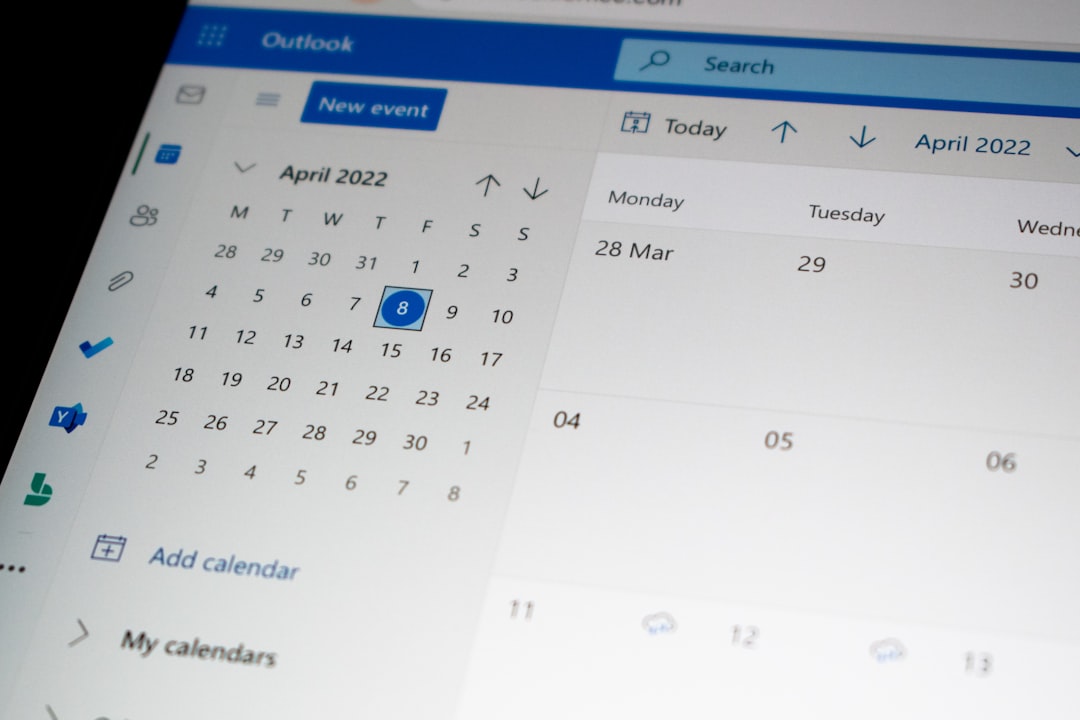
Time blocking is a planning method in which you divide your day into specific blocks of time and assign each block a purpose. Instead of keeping a loose to-do list, you decide in advance that, for example, 9:00 to 10:30 is for writing a report, 10:30 to 11:00 is for email, and 2:00 to 4:00 is for study or project work.
The core idea is simple: every important task needs a place on the calendar. This reduces ambiguity and makes your day more intentional. It is especially useful in remote settings because work and personal life often compete for the same space, devices, and hours.
- Best for: planning your day, managing multiple responsibilities, protecting deep work, and reducing decision fatigue.
- Main strength: it gives structure to time before distractions take over.
- Main weakness: it can become unrealistic if you schedule too tightly or underestimate how long tasks take.
What Is the Pomodoro Technique?
The Pomodoro Technique is a focus method based on short work intervals followed by short breaks. The classic version uses 25 minutes of focused work followed by a 5-minute break. After four cycles, you take a longer break, usually 15 to 30 minutes.
This technique was designed to make work feel more manageable. Instead of facing a large, intimidating task such as “study three chapters” or “finish the client proposal,” you commit to just one focused interval. The timer creates urgency, while the break prevents exhaustion.
- Best for: starting difficult tasks, studying, reading, coding, writing, and repetitive focused work.
- Main strength: it lowers resistance and helps maintain concentration.
- Main weakness: the fixed intervals may interrupt flow during complex work.
The Main Difference: Planning vs Execution
The most important distinction is that time blocking is primarily a planning system, while the Pomodoro Technique is primarily an execution system. Time blocking answers the question, “When will I do this?” Pomodoro answers the question, “How will I stay focused while doing this?”
This difference matters because remote work and study require both planning and execution. A student may know they need to revise for an exam, submit an essay, attend an online lecture, and exercise. Time blocking helps organize these responsibilities across the day. But when it is time to actually sit down and revise, Pomodoro can help them begin and stay engaged.
Similarly, a remote employee may block 9:00 to 11:00 for deep work. That block protects the time from meetings and messages. Inside that block, they may use two or three Pomodoro sessions to maintain focus and reduce fatigue.
Why Time Blocking Works Well for Remote Work
Remote work often creates a false sense of flexibility. Because there is no commute and fewer visible boundaries, people assume they have more time than they do. In reality, remote workers often face more fragmented attention: messages, video calls, family interruptions, household tasks, and blurred start and end times.
Time blocking works well because it creates boundaries. It turns an open day into a deliberate schedule. This is particularly valuable for remote professionals who need to balance meetings, deep work, communication, and administrative tasks.
For example, a remote worker might create blocks for:
- Deep work: writing, strategy, analysis, design, or problem solving.
- Communication: email, chat, status updates, and team coordination.
- Meetings: calls grouped together where possible to reduce context switching.
- Admin: expenses, documentation, scheduling, and routine maintenance.
- Recovery: lunch, short walks, and breaks away from the screen.
Time blocking also supports better communication. If your calendar shows when you are available and when you are doing focused work, colleagues are less likely to interrupt without reason. It also helps managers and teams understand capacity more realistically.
Why Pomodoro Works Well for Study
Students often struggle less with scheduling and more with starting. A reading assignment, exam revision plan, or research paper can feel too large to approach. The Pomodoro Technique reduces that psychological barrier by asking for a short, specific commitment: work for 25 minutes, then rest.
This is useful because studying depends heavily on attention. Long, unstructured sessions can lead to passive reading, distraction, and overconfidence. Pomodoro encourages active effort and regular resets. During each interval, the student can focus on one clear action, such as summarizing a section, solving practice problems, reviewing flashcards, or drafting one paragraph.

The breaks are not just rewards; they are part of the method. Short pauses can reduce eye strain, restore mental energy, and help the brain process information. For many learners, especially those studying from home, this rhythm is more sustainable than trying to concentrate for several hours without structure.
Where Time Blocking Can Fail
Time blocking is powerful, but it can fail when used too rigidly. Many people create an ideal schedule without allowing for real-life interruptions, task overruns, or low-energy periods. When the schedule breaks, they feel as if the entire day has failed.
Common mistakes include:
- Overpacking the calendar: scheduling every minute with no buffer.
- Underestimating task duration: assuming complex work will take less time than it does.
- Ignoring energy levels: placing difficult tasks during naturally low-focus periods.
- Failing to review: repeating the same unrealistic schedule each day.
A trustworthy time-blocking system should include buffer time. For remote work, this means leaving space between meetings, allowing time for unexpected messages, and scheduling breaks. For study, it means recognizing that some topics require more repetition than expected.
Where Pomodoro Can Fail
The Pomodoro Technique can also be misused. The most common problem is treating the timer as more important than the work. Some tasks require sustained immersion, and stopping after exactly 25 minutes can disrupt deep concentration.
For example, if a programmer finally understands a difficult bug or a writer enters a strong creative rhythm, a forced break may be counterproductive. In these cases, longer focus intervals may be better. Many people adapt Pomodoro into 50-minute work sessions with 10-minute breaks, or 90-minute deep work sessions followed by longer recovery.
Another weakness is that Pomodoro does not decide priorities. You can complete many timed sessions and still work on the wrong things. A student may spend six Pomodoros rewriting notes instead of practicing exam questions. A remote employee may spend the morning clearing email while postponing the most valuable project.
Which System Is Better for Remote Work?
For most remote workers, time blocking is the stronger primary system. Remote work requires coordination across multiple types of activity: meetings, individual work, communication, planning, and personal responsibilities. Time blocking gives visibility to these demands and prevents the day from being consumed by reactive tasks.
However, Pomodoro is still valuable inside time blocks. A remote worker might block two hours for a report, then complete three focused intervals during that block. This combination protects both the schedule and the quality of attention.
A practical remote work structure might look like this:
- 8:30 to 9:00: daily planning and priority review.
- 9:00 to 11:00: deep work block using Pomodoro or longer focus intervals.
- 11:00 to 12:00: messages, email, and team updates.
- 1:00 to 3:00: meetings or collaborative work.
- 3:00 to 4:30: project work, documentation, or follow-up tasks.
- 4:30 to 5:00: shutdown routine and planning for tomorrow.
This kind of schedule does not need to be perfect. Its purpose is to create direction, reduce uncertainty, and protect important work from constant interruption.
Which System Is Better for Study?
For study, the answer depends on the student’s main challenge. If the problem is poor planning, missed deadlines, or trying to study everything at the last minute, time blocking is more important. It helps distribute effort across days and weeks, which is essential for long-term learning.
If the problem is procrastination, distraction, or mental fatigue, Pomodoro may be more effective. It makes studying feel less overwhelming and encourages active, repeated effort.
The best study system often combines both:
- Use time blocking to schedule study periods for each subject.
- Use Pomodoro during those periods to maintain focus.
- Use breaks to rest, move, hydrate, or briefly review what was learned.
- Use weekly reviews to adjust the plan based on upcoming exams and assignments.
How to Choose the Right Method
Choosing between time blocking and Pomodoro should be based on your specific productivity problem, not on which system is more popular.
- Choose time blocking if your days feel chaotic, you forget priorities, meetings take over, or work expands into personal time.
- Choose Pomodoro if you avoid starting, get distracted easily, feel mentally tired, or need help staying engaged with one task.
- Choose a hybrid system if you need both a structured day and focused execution.
It is also important to consider personality and work type. People with many responsibilities often benefit from calendar-based planning. People doing cognitively demanding tasks may benefit from timed intervals and planned rest. People whose work involves unpredictable requests may need flexible time blocks rather than a rigid schedule.
A Practical Hybrid Method
A balanced approach is often the most reliable. Start by identifying your top three priorities for the day. Then place them into realistic time blocks, preferably when your energy is highest. During each block, use a timer if the task requires concentration or if you are likely to procrastinate.
For example, you might schedule a 90-minute study block for economics. Inside that block, you complete three 25-minute Pomodoros with short breaks. At the end, you spend five minutes noting what you completed and what needs to happen next. This creates a loop of planning, action, and review.
The same approach works for remote work. You may block 10:00 to 12:00 for a project proposal, then use two 45-minute focus sessions with a 10-minute break. The exact interval matters less than the principle: protect the time, focus deliberately, and recover regularly.
Final Verdict
Neither system is universally better. Time blocking is better for managing the shape of your day, while Pomodoro is better for managing your attention within a task. For remote work, time blocking usually provides the necessary structure. For study, Pomodoro often provides the momentum needed to begin and continue.
The most effective productivity system is not the one that looks best on paper. It is the one you can use consistently without creating unnecessary stress. For remote workers and students, the strongest solution is usually a thoughtful combination: plan your time with blocks, execute demanding work with focused intervals, and review the system regularly so it remains realistic.
In serious productivity practice, the goal is not to fill every minute or race against a timer. The goal is to align time, attention, and energy with work that matters. When used with discipline and flexibility, both time blocking and the Pomodoro Technique can help remote workers and students do exactly that.