
If you’re an e-commerce entrepreneur, your website is more than just a digital storefront—it’s a finely tuned machine designed to attract, engage, and convert visitors into loyal customers. In a highly competitive market where attention spans are short and consumer expectations are sky-high, choosing the right website builder can significantly impact your success. But with so many platforms available, how do you find one specifically optimized for conversions?
TLDR: E-commerce-focused website builders are tailored to help you maximize conversions with features like customizable product pages, integrated analytics, and mobile optimization. Platforms such as Shopify, BigCommerce, and Squarespace offer powerful tools for entrepreneurs to boost sales effortlessly. Choosing a builder optimized for conversions ensures your customers enjoy a seamless, persuasive, and personalized shopping experience. Read on to find out which options stand out and why.
Why Conversion Optimization is Crucial for E-commerce
Conversion optimization is the process of improving your website so that a higher percentage of visitors complete a desired action—typically making a purchase. For e-commerce businesses, this is directly tied to revenue and long-term growth. Poor UX, slow loading times, or unclear call-to-actions can turn potential buyers away, no matter how great your products are.
That’s where specialized website builders come into play. These platforms are built from the ground up with e-commerce entrepreneurs in mind, helping you streamline the user journey, reduce cart abandonment, and increase overall profitability.
Key Features to Look for in a Conversion-Optimized Website Builder
When choosing a website builder designed for e-commerce, you should prioritize features that directly or indirectly affect conversions. Here are some must-haves:
- Speed and Performance: Fast-loading pages reduce drop-off rates and improve user satisfaction.
- Mobile Responsiveness: With over 50% of e-commerce traffic coming from mobile devices, a mobile-friendly site is essential.
- Built-in A/B Testing: This enables you to test different elements like CTA buttons, product layouts, and images to see what converts best.
- Integrated Analytics: Data-driven decisions are more effective and tools like heatmaps and funnel analysis are invaluable.
- Conversion-Centric Templates: Professionally designed templates that follow UX/UI best practices can significantly boost conversions.
- SEO and Marketing Tools: Built-in tools for SEO, email marketing, and upselling increase visibility and sales potential.
- Secure and Easy Checkout Process: Fewer steps and more payment options make customers more likely to complete a purchase.
Top Website Builders Focused on E-commerce Conversions
Let’s take a closer look at some of the top website builders that have built reputations around being e-commerce-friendly and optimized for conversion.
1. Shopify
Best for: Entrepreneurs who want a head-start with a complete e-commerce suite.
Shopify is the titan of e-commerce platforms and for good reason. It offers conversion-optimized templates, an intuitive interface, and a vast app ecosystem to customize your store. Features like abandoned cart recovery, integrated email marketing, and mobile-first designs help you maximize every visitor’s potential.
Notable conversion-focused features include:
- Fast checkout via Shopify Payments
- AI-powered product recommendations
- Drag-and-drop editor with built-in sales prompts
- Multichannel selling on platforms like Instagram and Amazon
2. BigCommerce
Best for: Businesses ready to scale and needing advanced customization.
BigCommerce stands out when it comes to flexibility and scalability. Its open SaaS architecture combines the ease of a hosted platform with the customization capabilities usually reserved for open-source solutions. This makes it ideal for both large and rapidly growing e-commerce operations.
Its conversion tools include:
- Customizable checkout flows
- Built-in page builder for A/B testing
- Robust SEO tools for organic traffic
- Integration with Google Shopping, eBay, and Facebook
It’s built for performance, security, and seamless third-party integration, giving you the firepower to convert traffic at scale.
3. Squarespace (Commerce)
Best for: Creative entrepreneurs focused on branding and simple product lines.
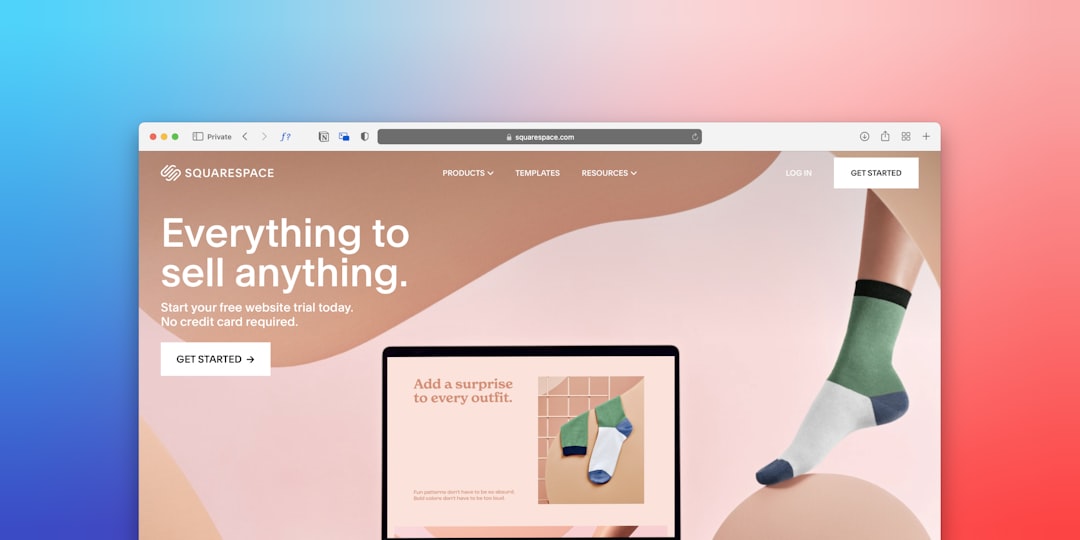
Squarespace might be better known for portfolio and content websites, but its Commerce offering is quite strong for small to mid-sized online stores. The visually stunning templates and polished UX design are built to help you tell a compelling product story while encouraging user interaction.
Conversion-friendly elements include:
- Landing page builder for product promotions
- Integrated email campaigns and pop-ups
- Mobile-optimized product grids
- Upselling tools during the checkout process
Emerging Builders Worth Exploring
Beyond the major players, some newer website builders have also emerged, offering cutting-edge tools for conversion optimization.
Webflow
While not traditionally associated with e-commerce, Webflow offers unparalleled design flexibility. It’s perfect for brands focusing on user experience and storytelling. With the addition of its e-commerce package, users can now build highly customized online stores with all the modern conversion-centric features in place.
Zyro
Zyro is a newer, budget-friendly builder that comes packed with AI tools to assist with content generation, layout optimization, and business insights. Its drag-and-drop builder includes smart heatmap predictions, helping entrepreneurs fine-tune each element for better engagement.
The Role of AI in Conversion Optimization
Artificial Intelligence is transforming how online retailers approach conversion optimization. Many modern e-commerce platforms now incorporate AI-driven features to enhance personalization, forecast trends, and streamline customer service—all of which can enhance conversions.
Some AI-powered features to look out for include:
- Dynamic Product Recommendations: Suggest the right products at the right time based on user behavior.
- Chatbots and Virtual Assistants: Offer real-time support and improve the pre- and post-purchase experience.
- Predictive Analytics: Identify customer segments likely to convert so you can target them more effectively.
Tips for Maximizing Conversions on Any Builder You Choose
No matter which platform you go with, these best practices will ensure you make the most out of its conversion features:
- Use high-quality product images and videos to showcase your items effectively.
- Write persuasive product descriptions that focus on benefits, not just features.
- Optimize loading speeds by compressing media files and minimizing scripts.
- Implement trust signals like reviews, testimonials, and security badges.
- Keep checkout simple—minimize the number of steps and form fields.

Final Thoughts: Choose the Right Tool for Your Goals
When it comes to e-commerce success, site traffic is only half the battle—conversions are the ultimate metric that matters. The best website builders designed for e-commerce entrepreneurs don’t just give you a place to list products. They offer a full suite of conversion tools that help turn visitors into buyers and casual shoppers into brand advocates.
Whether you’re a solo creator selling handmade crafts or leading a fast-growing product brand, choosing a platform built for sales optimization is crucial. The right tool can make a monumental difference in your performance, allowing you to build a scalable, intuitive, and high-converting online business.
So take your time, test different features, and choose the builder that aligns with both your brand and your business goals. Your future self—and your future customers—will thank you.