
Once upon a time, the smartphone was the star of the tech show. It sat in our pockets like a tiny magic brick. It helped us chat, shop, work, play, learn, and get lost in videos of dancing cats. But now, the biggest tech giants are looking past the phone. They are dreaming of a world where everything around us is smart, connected, and ready to help.
TLDR: Tech giants are building a future where the smartphone is no longer the center of everything. Instead, homes, cars, wearables, glasses, appliances, and AI assistants will work together as one smart ecosystem. The goal is simple: less tapping, more doing. Your tech will fade into the background and help before you even ask.
The Phone Is Not Dead. It Is Just Getting Company.
Let’s be clear. The smartphone is not going away tomorrow. People still love their phones. They are useful. They are powerful. They are also very good at stealing our attention.
But tech giants know something important. The next big leap may not be a better phone. It may be a better world around the phone.
Apple, Google, Microsoft, Amazon, Samsung, Meta, and others are all chasing the same idea. They want to build smart ecosystems. That means devices, apps, services, and AI tools all working together smoothly.
Think of it like a friendly team. Your watch knows your health. Your car knows your route. Your fridge knows you are out of milk. Your smart speaker knows your favorite playlist. Your glasses show helpful information. Your AI assistant connects the dots.
In this future, your phone is still there. But it is not the only hero.

What Is a Smart Ecosystem?
A smart ecosystem is a group of connected tech products that work together. They share information. They respond to your needs. They make daily life easier.
Here is a simple example.
- Your alarm rings in the morning.
- Your smart lights turn on slowly.
- Your coffee machine starts brewing.
- Your watch shows your sleep score.
- Your car suggests the fastest route to work.
- Your assistant reminds you to take an umbrella.
No drama. No stress. No frantic tapping through six different apps.
That is the dream.
The big idea is this: technology should feel less like work and more like a helpful friend.
Apple: The Walled Garden Gets Smarter
Apple has always loved the ecosystem game. The iPhone, Apple Watch, iPad, Mac, AirPods, Apple TV, and HomePod all play nicely together. Send a text on your Mac. Take a call on your watch. Copy text on your iPhone and paste it on your iPad. It feels a bit like magic.
Now Apple is pushing beyond screens. The Apple Watch tracks heart signals, sleep, workouts, and safety. AirPods are becoming smarter with sound controls and hearing support. Apple Vision Pro shows how Apple sees spatial computing. That means digital content floating in your real room.
This is not just about gadgets. It is about presence. Apple wants tech to sit on your wrist, in your ears, in your living room, and maybe on your face.
The phone becomes one part of a larger orchestra. The conductor may be AI. The stage may be your home.
Google: AI Everywhere, Not Just Search
Google started as a search box. Now it wants to be your smart helper in almost every place.
Android lives on billions of phones. But Google is also in smart speakers, thermostats, cameras, TVs, cars, watches, and home devices. Then there is Gemini, Google’s AI model. It can answer, write, summarize, plan, and understand images.
Google’s future is about ambient computing. That sounds fancy. It simply means computers are around you, but not always in your hand.
You might ask your speaker for dinner ideas. Your phone may create the shopping list. Your car may guide you to the store. Your watch may remind you not to forget dessert. Very important.
Because what is a smart ecosystem without cake?
Amazon: The Smart Home Butler
Amazon has a clear role in this future. It wants to run the smart home.
Alexa made voice assistants normal. Millions of people got used to saying, “Alexa, turn on the lights.” That was a big shift. It made technology feel less like a machine and more like a helper.
Amazon also has Ring cameras, Echo speakers, Fire TV devices, smart plugs, and home robots. It wants your house to listen, respond, protect, and shop.
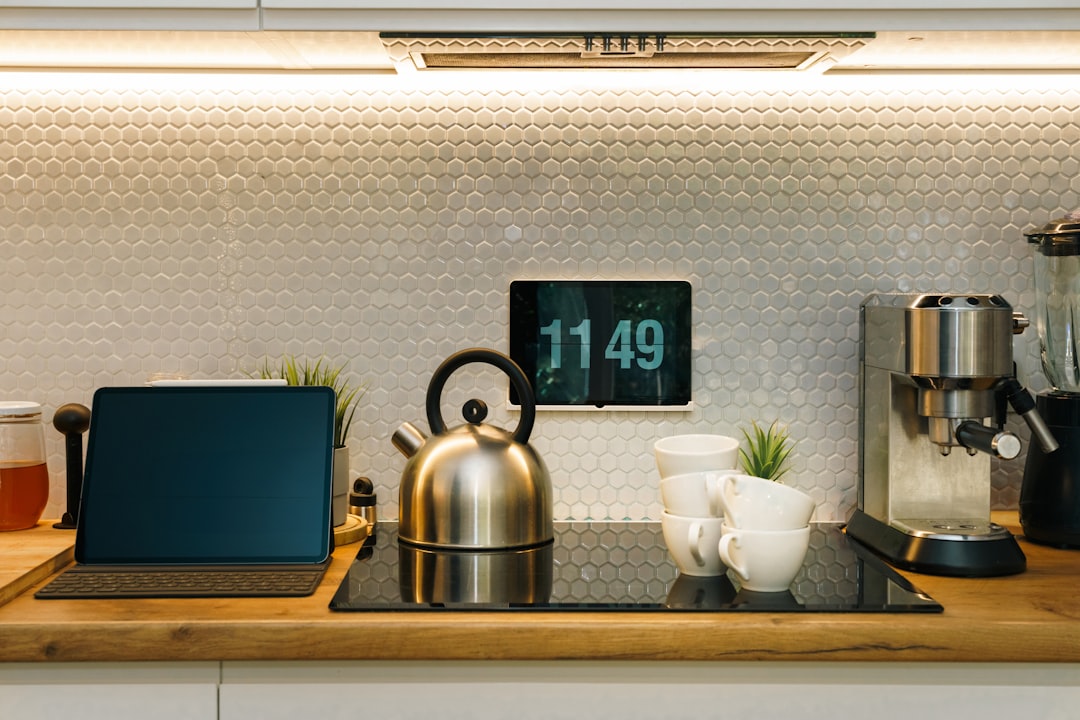
Picture this. You walk into the kitchen. The lights turn on. Alexa tells you a package arrived. Your smart display shows a recipe. Your oven preheats. Your grocery list updates by voice.
It sounds simple. That is the point.
The best smart tech should not feel like tech. It should feel like a smooth day.
Samsung: The Connected Everything Company
Samsung has a huge advantage. It makes almost everything.
Phones. TVs. Watches. Tablets. Laptops. Fridges. Washers. Ovens. Air conditioners. Even robot vacuums. That gives Samsung a big playground for smart ecosystems.
Its SmartThings platform connects many home devices. It helps users control lights, appliances, sensors, cameras, and more. Samsung also works closely with Android and Google services. This lets it mix hardware power with software smarts.
In Samsung’s future, your fridge may talk to your oven. Your TV may connect to your phone. Your washer may send alerts to your watch. Your home may understand routines.
For example, “movie night” could dim the lights, turn on the TV, lower the blinds, and silence phone alerts.
That is not lazy. That is efficient relaxing.
Meta: A Future on Your Face
Meta, the company behind Facebook, Instagram, WhatsApp, and Quest, believes the next platform may be wearable. More specifically, it may sit on your face.
Meta is investing heavily in virtual reality, mixed reality, and smart glasses. Quest headsets already let people play games, meet in virtual spaces, exercise, and explore 3D worlds. Ray-Ban Meta smart glasses let users take photos, record videos, listen to audio, and use AI features.
The goal is to make computing more natural. Instead of pulling out a phone, you might look at something and ask a question. Your glasses could answer. They could translate a sign. They could show directions. They could help you remember the name of the plant you keep forgetting.
Is it a fern? Is it not a fern? The glasses may know.
Meta wants social life, entertainment, and AI to move beyond flat screens. It wants digital layers on top of real life.
Microsoft: AI at Work, at Home, and in the Cloud
Microsoft may not be famous for phones today. But it is very important in the world beyond phones.
Its strength is productivity. Windows, Microsoft 365, Teams, Azure, Xbox, Surface devices, and Copilot all connect into a powerful ecosystem.
Copilot is Microsoft’s AI assistant. It can help write emails, summarize meetings, create slides, clean up data, and find information. For many workers, this could change the daily routine.
Instead of clicking through many menus, you may ask AI to do the task. “Summarize this report.” “Make a chart.” “Draft a reply.” “Find the file from last week.”
That is a big deal. It means the future beyond smartphones is not only about homes and wearables. It is also about work.
The smart ecosystem may follow you from your kitchen to your car to your office.
The Car Becomes a Giant Smart Device
Cars are becoming rolling computers. This is one of the biggest shifts in tech.
Apple CarPlay and Android Auto already bring phone apps to the dashboard. But the next step is deeper. Cars will connect to home systems, calendars, maps, entertainment, charging networks, and AI assistants.
Your car may know your meeting time. It may warm up before you leave. It may choose a route based on traffic. It may stop at a charger. It may play your favorite podcast. It may remind you to call your mom.
And yes, you should call your mom.
Electric vehicles add even more possibilities. The car can become part of your energy system. It may charge when power is cheap. It may even help power your home one day.
AI Is the Glue Holding It All Together
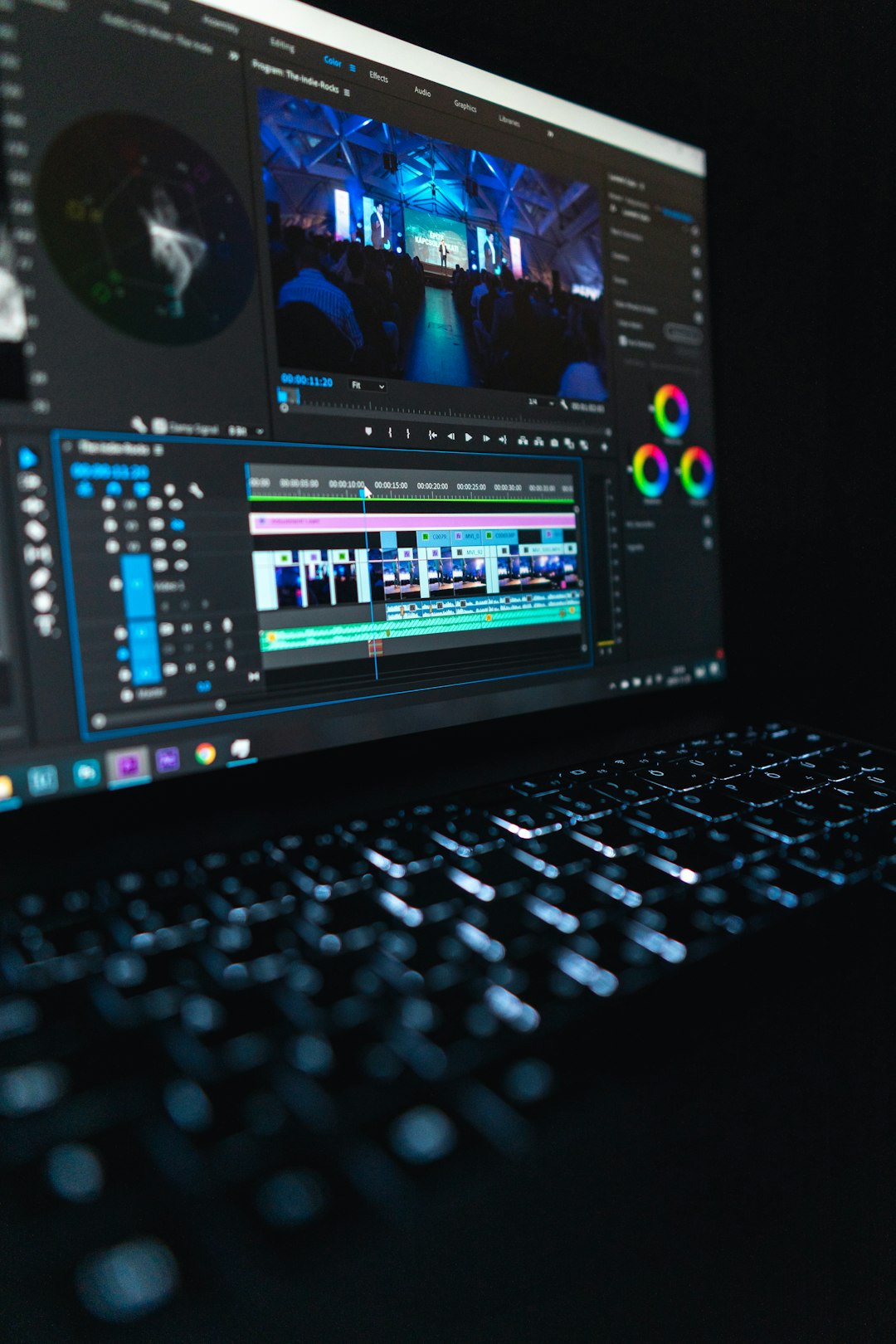
Smart ecosystems need a brain. That brain is AI.
Without AI, connected devices can feel messy. Too many apps. Too many settings. Too many passwords. Too many “firmware update required” messages. Nobody loves those.
AI can make the system easier. It can learn habits. It can understand voice. It can predict needs. It can control many devices with one simple request.
For example, you might say:
- “Set the house for bedtime.”
- “Help me focus for one hour.”
- “Plan dinner with what is in the fridge.”
- “Get me ready for my trip.”
- “Make the living room cozy.”
The AI then handles the details. Lights. Temperature. Music. Reminders. Lists. Routes. Messages.
That is much better than opening ten apps and feeling like a tiny office manager for your own house.
Why Tech Giants Want This Future
Smart ecosystems are helpful for users. But they are also great business for tech companies.
Here is why:
- More devices: People may buy watches, speakers, cameras, glasses, and appliances.
- More services: Subscriptions can include cloud storage, AI tools, music, fitness, and security.
- More loyalty: If all your devices work together, switching brands becomes harder.
- More data: Connected products can learn what users need.
- More daily use: The company becomes part of your routine.
This is why every giant wants to own the ecosystem. The winner may not be the company with the best phone. It may be the company with the smoothest daily experience.
But There Are Big Questions
This smart future sounds cool. But it also raises concerns.
Privacy is a major one. If devices listen, watch, track, and learn, who controls that data? Users need clear choices. They need trust. They need simple privacy settings that do not require a law degree.
Security also matters. A smart door lock is useful. A hacked smart door lock is a nightmare. Companies must protect devices with strong updates and safe systems.
Compatibility is another issue. Nobody wants a home where the lights only talk to one speaker and the oven refuses to talk to the fridge because of brand drama.
Thankfully, standards like Matter are trying to help. Matter is a smart home standard. It helps devices from different brands work together. It is not perfect yet. But it is a step in the right direction.
Will Screens Disappear?
No. Screens will stay. We like screens. They are good for movies, games, reading, work, and shopping.
But screens may not always be the first step. Voice, gestures, sensors, smart surfaces, glasses, and AI agents may take over some tasks.
You may not need to open an app to start music. You may not need to tap a screen to turn off lights. You may not need to search for a file. You may just ask.
The smartphone trained us to expect everything in one place. The smart ecosystem may teach us that help can come from everywhere.
A Day in the Future
Imagine waking up in 2030.
Your room gently brightens. Your wearable says you slept well. Your AI assistant tells you the weather. Your bathroom mirror shows your schedule. Your kitchen suggests breakfast. Your coffee waits like a loyal little hero.
You leave for work. Your home locks itself. Your car picks the best route. Your earbuds translate a voice message. Your glasses show walking directions. Your office AI prepares your notes.
At night, your home welcomes you back. The temperature is right. Dinner is planned. The lights are warm. Your favorite show is ready. Your phone is nearby, but you barely touched it.
That is the future tech giants are chasing.
The Big Picture
The world beyond smartphones is not about one amazing gadget. It is about many simple moments working better together.
A smart ecosystem should save time. It should reduce stress. It should help people feel more in control. It should also be safe, private, and easy to use.
The phone changed the world by putting the internet in our pockets. The next era may put intelligence into our homes, cars, clothes, glasses, and daily routines.
That sounds big. It is big. But the goal is small and human.
Make life easier.
Make tech quieter.
Make the future feel less like science fiction and more like a really helpful Tuesday.