
A website can look polished, publish useful content, and still struggle to rank if search engines cannot crawl, understand, or trust it. That is where an SEO technical audit service becomes valuable. It examines the behind-the-scenes factors that influence organic visibility, from site speed and mobile performance to indexing, internal links, structured data, and security.
TLDR: An SEO technical audit service identifies hidden website issues that may prevent search engines from crawling, indexing, and ranking your pages effectively. It typically includes checks for performance, site architecture, mobile usability, indexation, metadata, structured data, and technical errors. The result is a prioritized roadmap that helps improve search visibility, user experience, and long-term organic growth.
What Is an SEO Technical Audit?
An SEO technical audit is a detailed review of the technical foundation of a website. Unlike content audits, which focus mainly on keywords, messaging, and page quality, technical audits evaluate whether the site is built in a way that search engines can easily access and interpret.
Think of it as a health check for your website. If your pages load slowly, create crawl traps, contain broken links, or send mixed signals through canonical tags, even excellent content may not perform as well as it should. A technical audit uncovers those problems and explains how to fix them.
For businesses, this service is especially useful before a website redesign, after a traffic drop, during a migration, or when organic growth has stalled without an obvious reason.

What an SEO Technical Audit Service Includes
A professional audit usually covers several categories. The exact scope varies depending on the size and complexity of the website, but the following areas are commonly included.
1. Crawlability and Indexation
Search engines need to crawl your pages before they can rank them. An audit checks whether important pages are accessible and whether unimportant pages are being indexed unnecessarily.
- Robots.txt review: Ensures search engines are not accidentally blocked from valuable sections of the site.
- XML sitemap analysis: Confirms that sitemaps are current, clean, and submitted properly.
- Index coverage review: Identifies pages that are indexed, excluded, duplicated, or blocked.
- Crawl depth: Measures how many clicks it takes to reach key pages from the homepage.
If search engines waste time crawling low-value URLs, they may miss or delay crawling the pages that actually matter. This is especially important for large ecommerce sites, publishers, and websites with filtering or search functions.
2. Site Speed and Core Web Vitals
Speed matters for both users and rankings. A technical audit evaluates performance metrics such as loading time, interactivity, and visual stability. These are often connected to Core Web Vitals, Google’s user experience signals.
Common issues include oversized images, excessive JavaScript, poor server response time, render-blocking resources, and lack of caching. Even small improvements can make a website feel smoother and reduce bounce rates.
A slow website does not just frustrate visitors; it can also limit how efficiently search engines crawl your pages.
3. Mobile Usability
Because search engines primarily evaluate the mobile version of a site, mobile performance is essential. An audit checks whether pages are responsive, readable, and easy to navigate on smaller screens.
- Are buttons and links easy to tap?
- Does content fit the screen without horizontal scrolling?
- Are popups or banners blocking important content?
- Does the mobile version contain the same important content as desktop?
If the mobile experience is weaker than the desktop version, rankings and conversions can both suffer.
4. Website Architecture and Internal Linking
Good site structure helps users and search engines understand which pages are most important. A technical audit looks at navigation, URL structure, internal linking, and page hierarchy.
For example, a service page buried five levels deep may receive less authority than one linked directly from the main navigation. Similarly, orphan pages, which have no internal links pointing to them, may be difficult for search engines to discover.

The audit may also identify opportunities to strengthen topical relevance by linking related pages together. Internal links are not just pathways; they are signals that help define relationships between content.
5. Duplicate Content and Canonical Tags
Duplicate content can confuse search engines when multiple URLs contain the same or very similar information. This is common on ecommerce sites, blogs with tag pages, and websites using tracking parameters.
A technical audit checks whether canonical tags are implemented correctly. These tags tell search engines which version of a page should be treated as the primary one. Incorrect canonicals can cause valuable pages to be ignored, while missing canonicals can dilute ranking signals across multiple URLs.
6. Metadata and On-Page Technical Elements
Although title tags and meta descriptions are often considered on-page SEO, they are frequently included in technical audits because they affect how pages appear in search results.
The service may review:
- Title tags for duplication, excessive length, or missing keywords.
- Meta descriptions for clarity and click appeal.
- Header structure to ensure pages use headings logically.
- Image alt text for accessibility and relevance.
These elements help search engines interpret page content and help users decide whether to click.
7. Structured Data and Schema Markup
Structured data gives search engines extra context about a page. It can support enhanced search results such as ratings, FAQs, product details, events, recipes, and business information.
A technical audit identifies whether schema markup is present, valid, and appropriate. It also checks for errors that could prevent rich results from appearing. While structured data does not guarantee higher rankings, it can improve visibility and click-through rates when used correctly.
8. Broken Links, Redirects, and Error Pages
Technical audits often uncover broken pages, redirect chains, and server errors. These problems create poor user experiences and can waste crawl budget.
- 404 errors: Pages that no longer exist.
- 301 redirects: Permanent redirects that should be used carefully and cleanly.
- Redirect chains: Multiple redirects between the original URL and final destination.
- 5xx errors: Server issues that may prevent pages from loading.
Cleaning these up helps preserve link equity and ensures users reach the right destination quickly.
9. Security and HTTPS
A secure website builds trust with visitors and search engines. An audit verifies that HTTPS is implemented properly, certificates are valid, and insecure mixed content is not present. It may also check whether all HTTP versions redirect cleanly to HTTPS.
Security may not be the flashiest part of SEO, but it is foundational. A browser warning can damage credibility instantly, even if the rest of the site is well optimized.
Why a Technical Audit Matters
The biggest benefit of a technical audit is clarity. Instead of guessing why rankings are weak or traffic is declining, you receive a concrete list of issues and recommendations.
It also helps prioritize work. Not every SEO problem has the same impact. A missing meta description on one old blog post is less urgent than a robots.txt rule blocking an entire directory. A good audit separates critical issues from minor improvements, allowing teams to focus on what will move the needle.
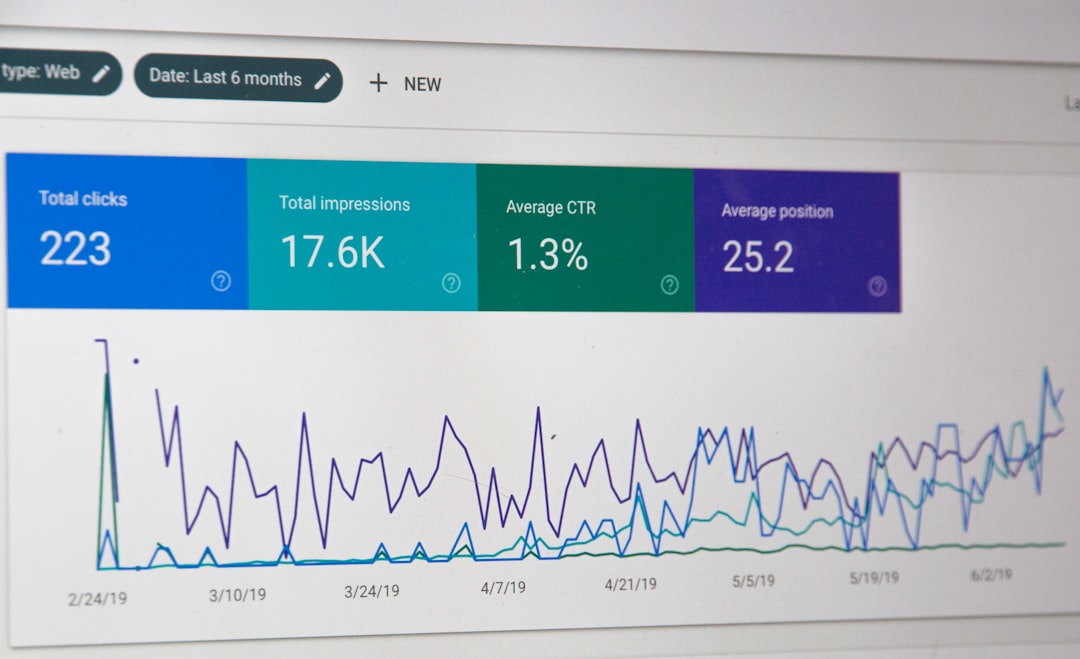
Technical SEO also supports every other marketing effort. Content marketing, digital PR, paid campaigns, and conversion optimization all perform better when the website is fast, accessible, and easy to navigate. In that sense, technical health is not just an SEO concern; it is a business asset.
What You Should Receive From the Service
A reliable SEO technical audit service should provide more than a long spreadsheet of errors. Ideally, you should receive:
- A clear summary of key findings.
- Prioritized recommendations based on business impact.
- Examples of affected URLs.
- Technical explanations written in understandable language.
- Guidance for developers, marketers, and site owners.
- Optional follow-up support after fixes are implemented.
The best audits translate technical findings into practical next steps. They explain not only what is wrong, but also why it matters and how to resolve it.
Final Thoughts
An SEO technical audit service is not a one-time luxury for large companies. It is a practical investment for any website that depends on organic search traffic. Search engines are constantly evolving, websites change over time, and small technical issues can quietly grow into major performance barriers.
By identifying and fixing those barriers, a technical audit helps your site become faster, cleaner, easier to crawl, and more useful to visitors. In a competitive search landscape, that foundation can make the difference between being discovered and being overlooked.