
Modern applications operate in highly distributed, cloud-driven environments where performance issues can emerge at any point in the stack. Users expect seamless digital experiences, and even minor slowdowns can lead to lost revenue, reduced customer trust, and operational instability. Runtime Application Monitoring (APM) tools, such as New Relic and similar platforms, provide real-time visibility into application health, enabling organizations to proactively detect, diagnose, and resolve performance issues before they escalate. These tools are no longer optional for serious digital businesses—they are foundational to maintaining reliability and competitiveness.
TLDR: Runtime Application Monitoring tools like New Relic provide real-time insights into application performance, helping teams identify and resolve issues quickly. They track metrics such as response time, error rates, and infrastructure health across distributed systems. By offering deep visibility and actionable alerts, these tools reduce downtime and improve user experience. Organizations that rely on APM gain a measurable advantage in stability, efficiency, and scalability.
Runtime Application Monitoring refers to the continuous tracking of software performance while applications are running in live environments. Unlike traditional log analysis or post-incident reviews, runtime monitoring operates in real time, capturing metrics, traces, and events as they occur. This continuous visibility allows development and operations teams to detect anomalies immediately rather than reacting after significant damage has occurred.
At its core, a robust APM solution typically monitors:
- Application response times
- Error rates and exception tracking
- Throughput and request volumes
- Infrastructure utilization (CPU, memory, disk, network)
- Database performance metrics
- External service and API dependencies
This comprehensive scope ensures that no critical component of the application stack remains invisible. Modern software architectures often include microservices, containers, serverless functions, and third-party integrations, making manual performance tracking both inefficient and unreliable.
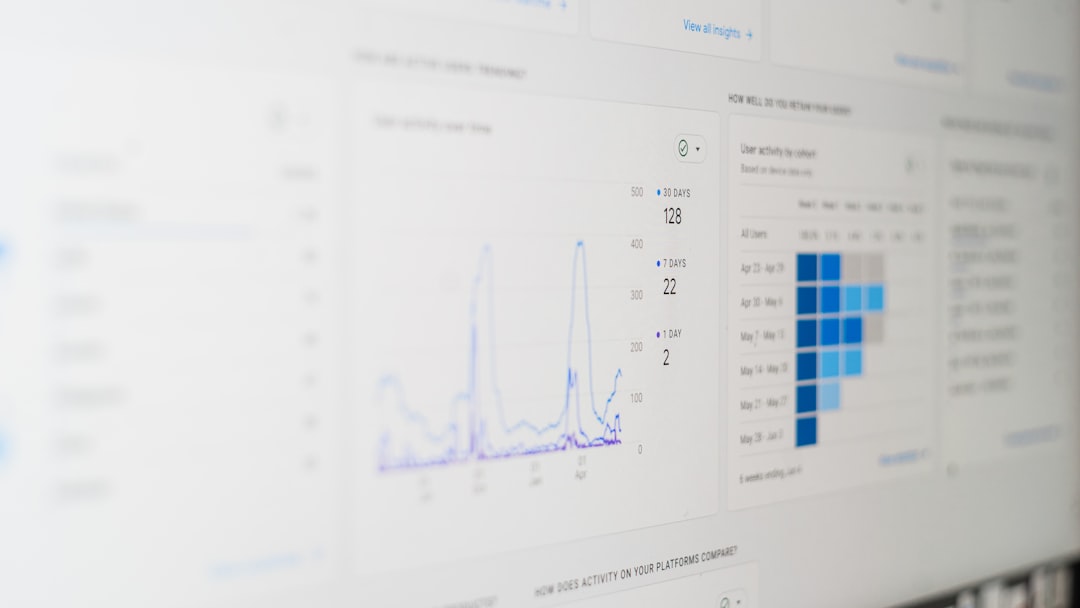
Real-Time Visibility in Complex Architectures
Today’s applications rarely exist as monolithic codebases running on a single server. Instead, they are composed of distributed services deployed across cloud environments. Each service may depend on others, forming an intricate web of communication pathways. Performance degradation in one component can cascade across the entire system.
Tools like New Relic provide distributed tracing, which allows engineers to see exactly how a user’s request travels through multiple services. If an end-user experiences latency, teams can pinpoint whether the delay originated in a database query, a third-party API call, or a specific microservice instance.
This level of insight is indispensable for organizations operating at scale. Without real-time monitoring, teams risk prolonged outages and extended debugging sessions that can severely impact productivity and revenue.
Proactive Alerting and Incident Response
Monitoring is not only about collecting data—it is about acting on it. Advanced APM platforms convert raw metrics into meaningful alerts. Threshold-based alerts trigger notifications when performance metrics cross predefined limits, while anomaly detection systems use machine learning to identify deviations from normal patterns.
Effective alerting provides several key benefits:
- Reduced Mean Time to Detection (MTTD)
- Reduced Mean Time to Resolution (MTTR)
- Minimized service disruption
- Improved user satisfaction
By integrating alerts with communication tools such as Slack, email, or incident management platforms, organizations ensure that the right teams are notified instantly. Real-time insights combined with automated alerts allow faster decision-making under pressure.

Comprehensive Metrics and Telemetry
A core strength of runtime monitoring tools lies in their ability to capture and unify multiple forms of telemetry data:
- Metrics: Numerical measurements such as CPU usage or response latency.
- Logs: Detailed records of events and system messages.
- Traces: End-to-end tracking of specific application requests.
When these forms of data are correlated within a single observability platform, troubleshooting becomes significantly more efficient. Engineers no longer waste time navigating between siloed systems; instead, they have centralized access to contextualized information that accelerates root cause analysis.
For example, if response times spike unexpectedly, teams can drill down into traces to determine whether a new deployment introduced inefficiencies. They can then cross-reference logs to identify code-level exceptions or configuration changes responsible for the slowdown.
Performance Optimization and Business Impact
Beyond incident response, runtime monitoring tools play a strategic role in performance optimization. Continuous performance insights reveal trends over time, highlighting gradual degradations that may otherwise go unnoticed.
Optimized performance produces measurable business outcomes:
- Higher customer retention rates
- Increased transaction completion
- Lower infrastructure costs through right-sizing
- Enhanced brand reputation
In industries such as e-commerce, fintech, healthcare, and SaaS, even a one-second delay can translate into significant revenue losses. Real-time monitoring empowers organizations to maintain optimal speed and reliability, protecting both user experience and profitability.

Support for Cloud-Native and DevOps Practices
Modern DevOps and Site Reliability Engineering (SRE) methodologies emphasize continuous integration, rapid deployment cycles, and iterative improvement. Runtime Application Monitoring aligns directly with these practices by embedding visibility into every stage of the software lifecycle.
During development and staging, engineers can monitor performance under load testing scenarios. After deployment, they can compare historical and live metrics to confirm that updates did not introduce regressions. This tight feedback loop reduces risk while enabling faster innovation.
Cloud-native environments, including Kubernetes and serverless architectures, introduce additional layers of complexity. Containers scale dynamically, infrastructure may shift between zones or regions, and services can spin up and down within seconds. APM tools automatically adapt to these environments, discovering new instances and collecting telemetry without manual intervention.
Security and Compliance Considerations
While performance monitoring centers primarily on operational metrics, it also contributes indirectly to security and compliance efforts. Unusual spikes in traffic or abnormal behavior patterns may indicate Distributed Denial of Service (DDoS) attempts or other malicious activities. Real-time dashboards enable quicker identification of suspicious events.
Furthermore, many industries require detailed audit trails and reporting. Modern monitoring platforms provide exportable reports, data retention policies, and compliance-ready documentation that assist organizations in meeting regulatory obligations.
Choosing the Right Monitoring Solution
Although New Relic is a well-known leader in the field, the market includes multiple APM providers with comparable capabilities. Selecting the right tool depends on several factors:
- Scalability to handle anticipated traffic growth
- Ease of integration with existing infrastructure
- Depth of analytics and visualization
- Automation and anomaly detection features
- Transparent and predictable pricing models
Organizations should conduct proof-of-concept deployments to evaluate how each solution performs within their specific environment. Careful assessment ensures that the tool provides actionable intelligence rather than overwhelming teams with excessive or irrelevant data.
The Future of Runtime Monitoring
The field of application monitoring continues to evolve, increasingly merging with broader observability strategies. Artificial intelligence and machine learning are being integrated to automate root cause analysis, reduce noise in alerting systems, and forecast potential capacity issues before they manifest.
Additionally, user experience monitoring is expanding to include real user monitoring (RUM) and synthetic testing. These capabilities measure how actual users experience an application across devices, browsers, and geographic regions, offering a more holistic perspective on performance.
As digital ecosystems grow more interconnected, runtime monitoring will become even more critical. Organizations that embrace comprehensive observability will be better positioned to innovate, scale efficiently, and maintain resilient systems under unpredictable demand.
Conclusion
Runtime Application Monitoring tools like New Relic have become indispensable components of modern IT operations. By delivering real-time performance insights, proactive alerting, distributed tracing, and unified telemetry, they empower organizations to maintain stability in increasingly complex environments. Beyond preventing outages, these platforms drive strategic improvements that enhance user satisfaction and financial outcomes.
In a marketplace where digital performance directly influences business success, continuous monitoring is not merely a technical enhancement—it is a strategic necessity. Organizations that invest in rigorous runtime monitoring gain deeper operational intelligence, faster response capabilities, and a sustainable competitive advantage.