
Imagine walking into your office and instantly knowing what’s happening, where to go, and who’s doing what — all without asking a single question. Sounds like magic? It’s not. It’s smart, strategic signage. And it’s changing the game in workplace communication.
TLDR: Visual communication is key to a productive workplace. Strategic signage boosts clarity, safety, and engagement. It reduces confusion and saves time. The best part? It can even improve morale.
Why Traditional Communication Falls Short
We’re drowning in messages — Slack pings, emails, meetings. It’s digital overload. People miss things. Important stuff gets buried. And let’s face it: not everyone reads everything.
This is where signage comes in. It cuts through the noise. It delivers the right message, at the right time, in the right place. No extra clicks needed.
The Power of Signage in the Workplace
Signs are everywhere — bathrooms, roads, malls. But in offices, they’re often overlooked. Big mistake. When used well, signage becomes a silent but super-effective communicator.
Here’s what smart signage can achieve:
- Boost employee awareness – Remind people of company values, goals or events.
- Enhance safety – Highlight emergency exits, health protocols, or equipment warnings.
- Guide movement – Help newcomers and visitors navigate spaces faster.
- Improve productivity – Show task status boards or meeting room schedules.
One well-placed sign can do what 10 emails can’t.
Types of Strategic Signage
Let’s look at the different signage solutions that can spice up any workspace:
1. Digital Displays
Think of these as your office bulletin boards — but alive! Connected to live data, they can show:
- KPIs and performance stats
- Important announcements
- Weather or traffic updates
- Daily quotes or fun facts
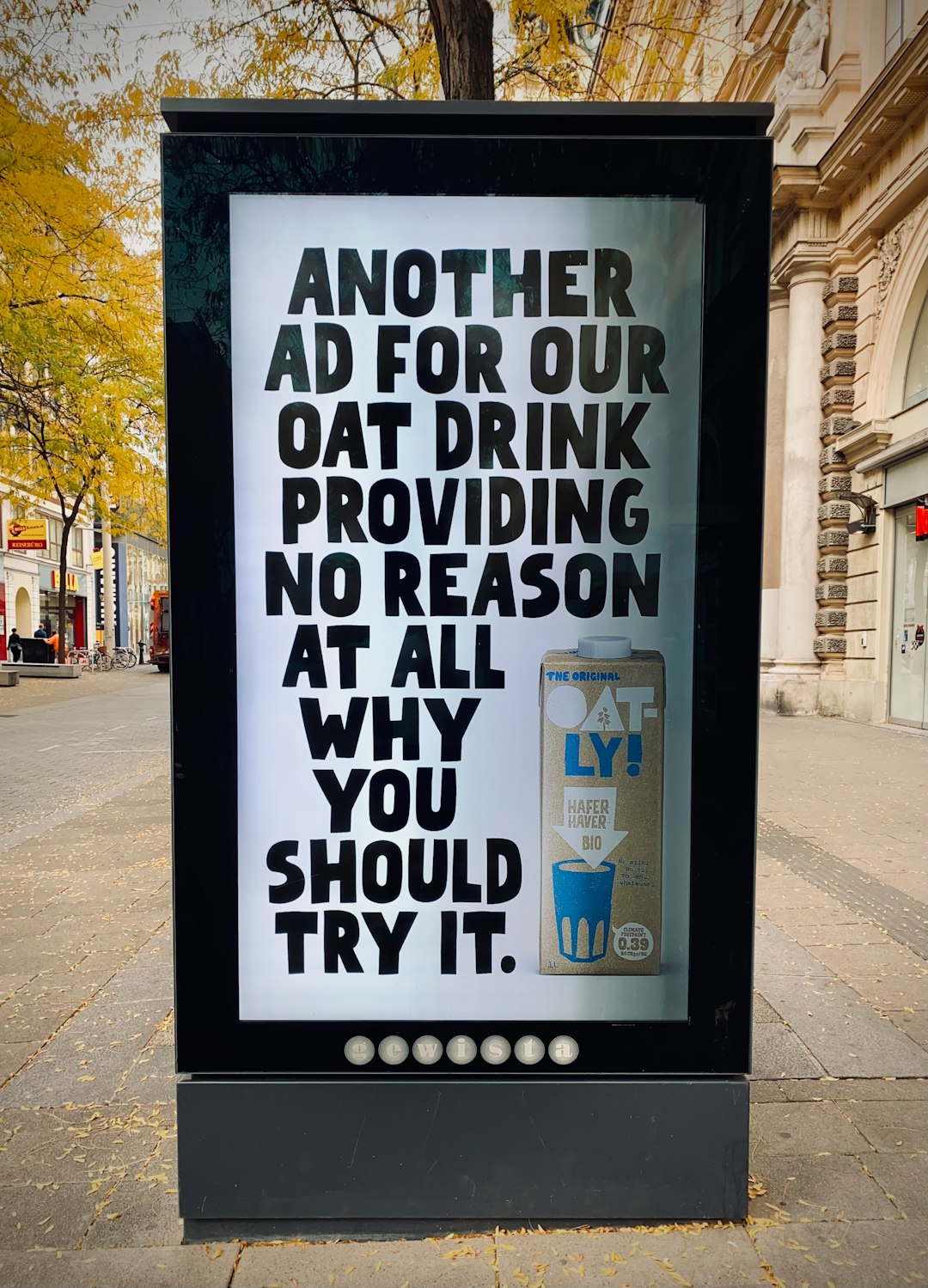
They’re eye-catching, changeable, and sustainable (yes, you save trees too!).
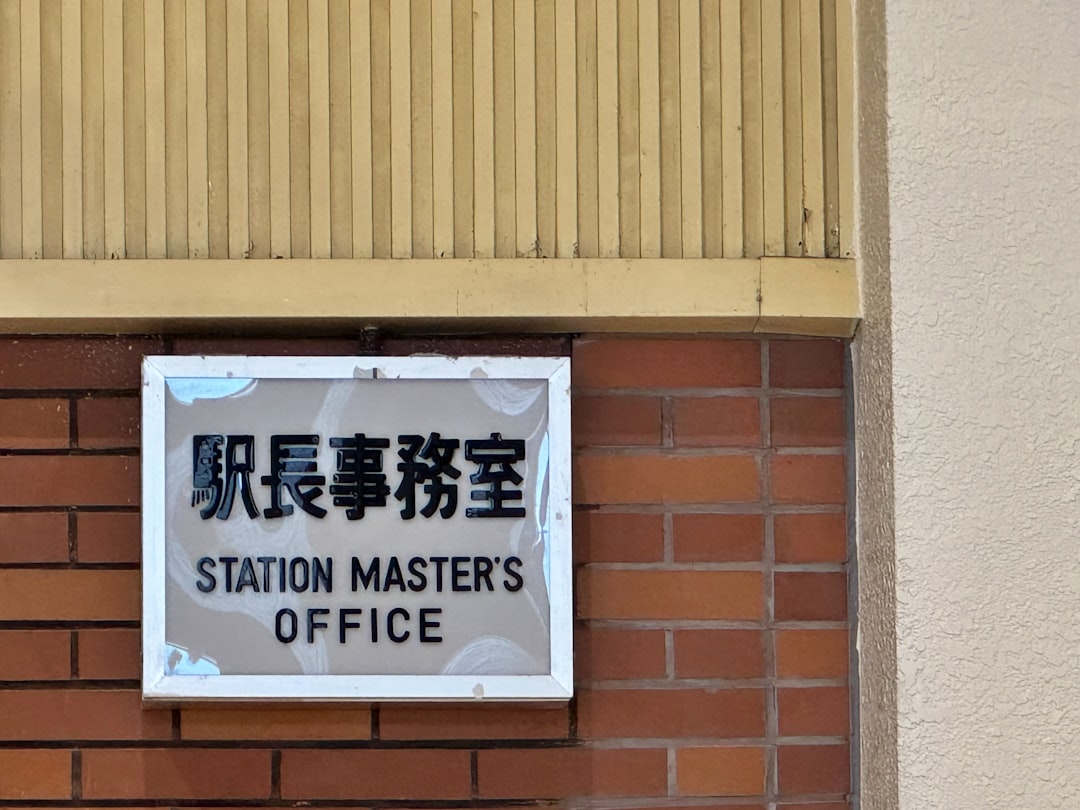
2. Wayfinding Signs
These guide people to where they need to go. They’re a must-have in big offices or buildings with multiple departments.
Start with basic directional signs:
- Entrance and exits
- Restrooms and lounges
- Meeting rooms and floors
Use icons, color codes and clear fonts. Your visitors will love you for it.
3. Motivational Messages
Sometimes, a simple “You’ve got this!” is all you need. These signs don’t just inspire — they build company culture.
Use motivational signage to:
- Celebrate wins (big or small)
- Boost morale during tight deadlines
- Welcome new hires warmly
It’s small touches like these that create a big impact.
4. Compliance and Safety Signs
You don’t want to wait for an accident to think about these. They’re vital for protecting people — and your business.
Examples include:
- Fire evacuation maps
- Mask-wearing reminders
- Hazard warnings
Think clarity before creativity here. Icons and red tape (literally!) work best.
Design Tips That Make Signage Work
Not all signs are created equal. Some blend in and go ignored. Others catch eyes instantly.
Want signs that people notice and remember? Follow these golden tips:
- Keep it simple – One message per sign.
- Use bold colors – But stay consistent with your branding.
- Choose legible fonts – Save the curly scripts for birthday cards.
- Add icons – A picture says what 10 words can’t.
And remember: placement is key. No one’s looking up at the ceiling for a sign.
Bringing Signage into the Digital Age
Modern problems need modern signs. With the rise of hybrid work and dynamic teams, forget about printing dozens of laminated instructions every week.
Interactive signage solutions are here to help:
- Touchscreens for booking desks or rooms
- QR codes for more info or feedback
- Mobile-friendly sign systems
What’s cool? You can update signs from a dashboard. Announce a surprise pizza party at 3 p.m.? One click, and every screen shouts “PIZZA!”
Real-Life Workplace Signage Wins
Let’s look at a couple of companies doing signage right:
Acme Tech installed real-time dashboard screens on every floor. Productivity jumped by 20%. Team leads say people feel more aligned and informed.
GreenLeaf Marketing used colorful wayfinding signs and friendly welcome messages. New hire satisfaction shot up. “It made onboarding feel like a breeze,” said one smiling intern.
Getting Started Without Going Overboard
You don’t need a huge budget or digital makeover overnight. Start small.
Here’s a simple game plan:
- Identify key pain points – Where are the bottlenecks in communication?
- Choose 3 sign types – For example: safety, wayfinding, and digital updates.
- Design basic templates – Use software like Canva or Adobe Express.
- Test and tweak – Placement matters. Watch where people look (or don’t).
Once you see the impact, you’ll want more. And the best part? Employees will thank you for it.
The Future of Workplace Communication
As offices evolve, so will communication needs. Strategic signage is a flexible, fun, and effective solution. It fits into every industry, from warehouses to corner offices.
More workplaces are moving towards “visual management”. Why? Because visuals are universal, fast, and user-friendly. And in a world of too many words, signs are a breath of fresh air.
So next time someone’s confused about where to go, what’s happening, or how to do something — remember — there’s a better way to say it.
Say it with a sign.