
Have you ever strolled through a health store and wondered how so many new wellness brands seem to pop up overnight? From vitamin gummies to essential oils, the wellness world is booming. But what’s behind the curtain? More often than not, private label manufacturing is the secret engine driving this growth.
TL;DR — Too Long, Didn’t Read
Private label manufacturing lets wellness entrepreneurs launch products fast—without building their own factories. It helps small businesses compete with big brands. Wellness companies can test new ideas with low risk. This makes the market super creative and always changing.
What Is Private Label Manufacturing?
Let’s break it down. Private label manufacturing is when a company makes products for other businesses to sell under their own brand.
For example, a wellness brand might have a great idea for a sleep supplement. But instead of making it themselves, they work with a private label company that already produces sleep capsules. The wellness brand slaps on a custom label, sets a price, and sells it as their own!
It’s kind of like cooking with a premade cake mix—you still choose the flavor, design, and icing, but the hard part is already done.
Why This Works So Well in the Wellness Market
Wellness is a fast-moving space. Everyone wants the next cool thing: collagen coffee, mushroom powders, glowing skin tonics—you name it.
Traditional product development can take months or even years. That’s way too slow in today’s fast-paced health world. Private label solutions take that process and turbocharge it.
Here’s how private label manufacturing plays a big role in wellness market growth:
1. Faster Time to Market
Private label suppliers already have formulas, packaging, and production lines ready to go. That means wellness brands can get a product made and shipped in just a few weeks—instead of several painful months.
Speed matters. Trends burn hot and fade fast. Getting to market quickly helps companies stay relevant.
2. Low Startup Costs
You don’t need to invest in expensive machinery or hire lab technicians. You just need a great brand vision and an audience that trusts you.
This opens doors for:
- Influencers launching their own supplement lines
- Fitness coaches selling branded protein powders
- Natural beauty advocates offering clean skincare
3. More Experimentation and Innovation
Private labels allow brands to test wild ideas without breaking the bank. If something doesn’t sell well—no big deal. It’s easy to switch formulas or packaging and try again.
That’s why wellness shelves are packed with unique products like beetroot latte powders and kombucha cleansing tablets!
4. Focus on Marketing and Community
Since the technical stuff is handled by the manufacturer, brands can focus on building their story, vibe, and community.
That’s how small companies become cult favorites—they know how to speak to their niche and make wellness feel personal.
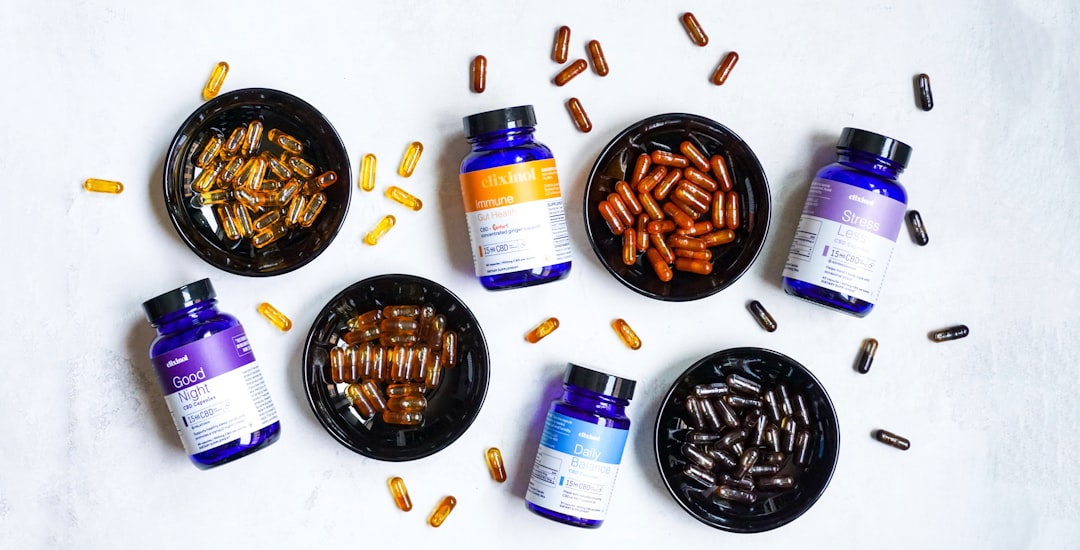
Real World Example: The Glow-Up of Plant-Based Brands
Let’s take a quick peek at plant-based wellness products.
Ten years ago, vegan supplements were kind of hard to find. Now? You’ve got kale powders, vegan omega oils, dairy-free collagen—all exploding in popularity.
New plant-based wellness brands hit the scene almost monthly. And most of them started with private label manufacturing. It lets them focus on packaging, brand voice, and social media. The heavy lifting of product making stays behind the scenes.
The Numbers Don’t Lie
According to industry reports:
- The global wellness market is worth over $4.4 trillion
- The private label manufacturing space is growing by 8-10% per year
- Consumers are more open to trying new and unfamiliar brands—as long as the products feel high quality and trustworthy
This growth wouldn’t be possible if every brand had to build everything from scratch.
Private Label vs. White Label: Is There a Difference?
You may have heard the term white label used too. Here’s the quick difference:
- White Label: One product, sold to everyone with the same formula. You just add your logo.
- Private Label: You can customize ingredients, flavors, packaging, and more. You get your own unique spin.
In the wellness world, private labeling is more popular. Brands love to add their own magic touch—whether it’s adaptogenic herbs or luxury recyclable packaging.
What Can You Actually Private Label in Wellness?
The options are massive. Popular product categories include:
- Vitamins and dietary supplements
- Plant-based protein powders
- Essential oils and aromatherapy kits
- CBD gummies and tinctures
- Natural skincare and beauty products
- Functional snacks (think: mushroom chocolate bars!)
There are private label manufacturers for almost everything—even wellness pet products!

Challenges to Keep in Mind
Private labeling isn’t magic. It comes with a few things to watch out for:
- Quality control: Always vet your manufacturers carefully.
- Regulations: Supplements and cosmetics are regulated in many countries. Label laws matter!
- Lack of uniqueness: If you white label, other brands might be selling the same product.
The good news? These challenges are easily manageable with the right partners and a little research.
Why Consumers Are Okay With It
Here’s the twist—most customers don’t mind that a product is made by a third-party manufacturer.
Why? Because what they really care about is:
- Great results
- Beautiful packaging
- Trusted branding
- Clean, safe ingredients
If a brand delivers all of that, who cares where it was made?
The Future Is Bright—and Personalized
The next wave of private label wellness is shaping up to be ultra-personal. Think:
- Custom supplement packs based on DNA
- AI-powered skincare recommendations
- Personalized vitamin gummies shaped like your initials
And guess what? Private labeling is making that possible without huge factory investments.
Final Thoughts
If you’re a wellness entrepreneur or even just health-curious, private label manufacturing is a game changer. It lowers the barrier to entry, encourages creativity, and helps more people bring wellness visions to life.
That’s why you’ll keep seeing brand-new products on shelves that seem to come from nowhere—but secretly have a powerhouse private label factory behind them.
Wellness is booming. And private label manufacturing is giving it superpowers!