
Arriving in a new country used to mean hunting for a SIM card kiosk, comparing confusing prepaid bundles, and hoping your phone would accept the tiny plastic chip without complaint. Saily eSIM aims to make that ritual feel outdated: you buy a data plan in an app, install a digital SIM profile, and connect when you land. For travelers, remote workers, and anyone who needs quick mobile data abroad, the big question is not just whether it works, but how well it performs in real travel conditions.
TLDR: Saily eSIM performs well for most travel data needs, especially if you want a simple setup, predictable prepaid pricing, and coverage without visiting a local carrier store. Speeds and reliability depend on the partner network in each destination, so performance can vary by country, city, and signal conditions. It is best for maps, messaging, browsing, rideshare apps, email, and light streaming, but heavy data users or long-term travelers may still prefer a local SIM or unlimited carrier plan.
What Saily eSIM Is Designed to Do
Saily is a travel-focused eSIM service that lets users purchase mobile data plans for different countries or regions. Instead of swapping a physical SIM card, you download an eSIM profile to a compatible, unlocked phone. Once activated, your device connects to a local mobile network through Saily’s roaming partners.
The main appeal is convenience. You can set up your plan before leaving home, keep your primary SIM installed, and avoid expensive roaming charges from your regular carrier. For many travelers, that alone is enough to make an eSIM worthwhile. But the experience depends on more than convenience: you also need stable coverage, useful speeds, fair pricing, and an app that does not make activation feel like a technical puzzle.
Setup and Activation: Usually Simple
Saily’s setup process is generally straightforward. After choosing a destination and data allowance, you install the eSIM through the app or phone settings. On most modern iPhones, Google Pixel devices, Samsung Galaxy models, and other eSIM-compatible phones, this takes only a few minutes.
The most important requirement is that your phone must be unlocked. If it is tied to a carrier contract, the eSIM may not activate correctly. You should also install the eSIM while you have a strong Wi-Fi connection, preferably before your trip. That way, you are not trying to troubleshoot at immigration while balancing luggage and looking for a signal.
Activation timing matters. Some eSIM plans begin when installed, while others start when they first connect to the destination network. Travelers should check the plan details carefully. If a plan starts immediately, installing too early could waste valid days before you even arrive.
Coverage: Good, but Destination Dependent
Saily does not operate its own mobile towers. Like most travel eSIM providers, it partners with local networks. This means your experience in Paris may be different from your experience in Bali, Mexico City, or Istanbul. In major urban areas, performance is often strong because local carriers usually have dense LTE or 5G infrastructure. In rural areas, islands, national parks, train routes, and border regions, coverage may fluctuate.
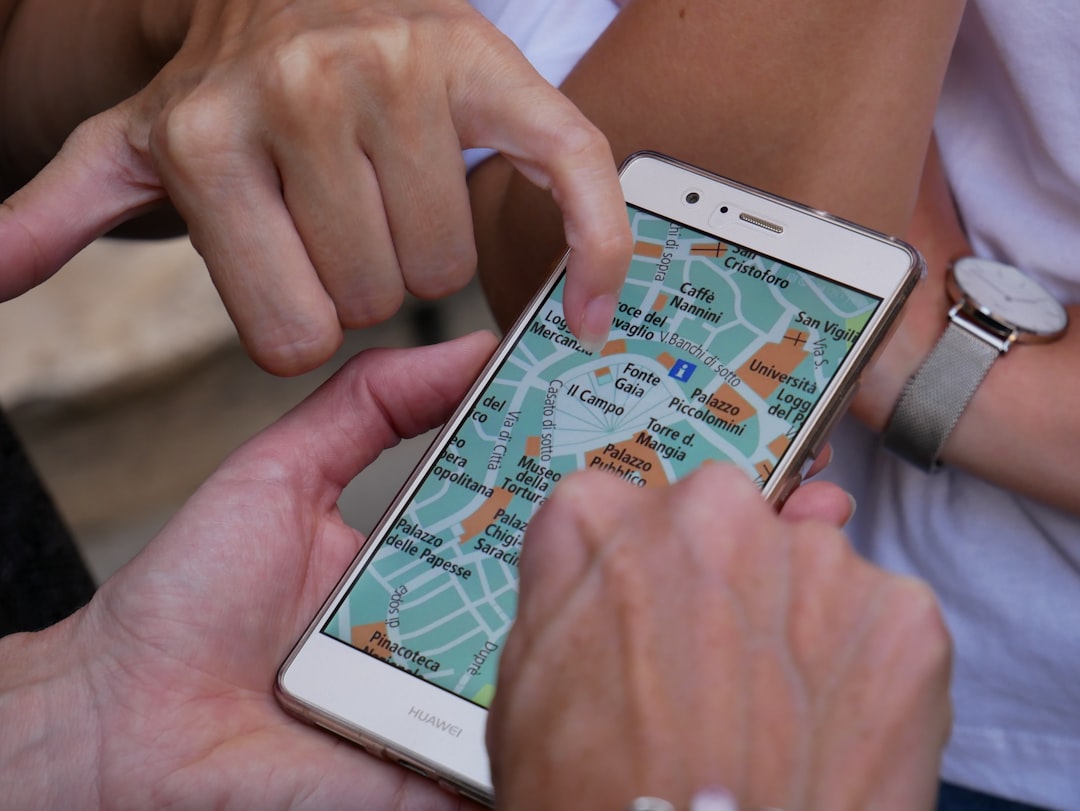
For travelers who mostly stay in cities, airports, hotels, cafes, and tourist districts, Saily is likely to be reliable enough. It should handle common tasks such as checking Google Maps, ordering a ride, translating menus, using WhatsApp, and uploading photos. If your trip includes hiking, road trips, remote beaches, or countryside stays, it is wise to download offline maps and key documents in advance.
In other words, Saily is not magic; it is only as strong as the mobile network it connects to. The benefit is that you get access without dealing directly with that local network yourself.
Speed and Real-World Performance
Mobile data speed is one of the hardest things to guarantee with any eSIM. Saily can perform very well where its partner network has strong LTE or 5G coverage, but speed can dip during congestion, inside thick-walled buildings, on underground transit, or in crowded tourist areas. This is normal for mobile data and not unique to Saily.
For everyday travel use, performance is usually more than enough. Messaging apps consume very little data. Maps need more, especially when loading routes and satellite views, but they still work comfortably on moderate speeds. Social media browsing, restaurant searches, mobile banking, email, and translation apps are also realistic uses.
Streaming video is where you notice limits faster. A few short clips or a video call may be fine, but high-definition streaming can burn through a small travel plan quickly. If you buy a 1 GB or 3 GB package, one evening of careless video use could consume a large portion of your allowance. For best results, use hotel Wi-Fi for large downloads and save Saily for mobility.
- Excellent use cases: maps, chat, email, rideshare, travel apps, browsing.
- Good use cases: social media, cloud document access, short video calls.
- Use carefully: video streaming, app updates, hotspot sharing, large file uploads.
Pricing and Value for Travelers
Saily’s value depends on the destination, data amount, and duration of your trip. In many cases, it is cheaper than paying international roaming fees from a home carrier. It also saves time compared with buying a physical SIM on arrival, especially in countries where tourist SIM registration requires passport checks or extra paperwork.
However, Saily is not always the absolute cheapest option. Local prepaid SIMs can offer more data for less money, especially in countries with highly competitive mobile markets. The trade-off is convenience. If you are visiting for a weekend, transferring through multiple countries, or arriving late at night, paying a little more for an eSIM that works immediately can be worth it.
Regional plans can also be useful. If you are traveling through several countries, one regional eSIM may be easier than buying separate plans for each stop. Still, check the covered countries and data rules before purchasing. A “Europe” or “Asia” plan is only valuable if it includes the places you actually plan to visit.

App Experience and Usability
The Saily app is one of its stronger points. Travel eSIM services live or die by how clearly they explain installation, activation, remaining data, and troubleshooting. A good app reduces anxiety, especially for users installing an eSIM for the first time.
In general, Saily focuses on a clean purchase flow: select a destination, choose data, pay, install, and activate. The app also helps you manage purchased plans and monitor usage. This is important because travel data disappears faster than expected when background apps sync photos, update podcasts, or refresh cloud storage.
Before leaving, it is smart to adjust your phone settings:
- Turn off automatic app updates on mobile data.
- Disable cloud photo backup unless connected to Wi-Fi.
- Set your Saily eSIM as the data line.
- Keep your home SIM active only if you need calls or SMS.
- Enable low data mode for longer trips or smaller plans.
Voice, SMS, and Hotspot Considerations
Most travel eSIM plans, including many from services like Saily, are data-only. That means you usually do not receive a local phone number for traditional calls and SMS. For many modern travelers, this is not a problem. WhatsApp, FaceTime, Telegram, Signal, Google Meet, and similar apps cover most communication needs.
There is one important exception: banking verification and two-factor authentication. If your bank sends login codes by SMS to your primary number, you may need to keep your regular SIM active. On dual-SIM phones, this is manageable: use Saily for mobile data and your home SIM for texts. Just be careful with roaming charges if your carrier bills for incoming calls or accidental data use.
Hotspot use is another area to check. Many eSIM plans allow tethering, but policies can vary. Even when hotspot works, it can drain data rapidly if a laptop starts syncing files or downloading updates. If you plan to work remotely, buy more data than you think you need.
Reliability for Remote Work
For light remote work, Saily can be very helpful. It is suitable for email, Slack, document editing, dashboards, booking systems, and emergency connectivity when hotel Wi-Fi is unreliable. It can also serve as a backup connection during transport or at cafes with weak networks.
For full workdays with video meetings, large uploads, and constant cloud sync, performance depends heavily on the local signal and plan size. A travel eSIM is useful backup infrastructure, not always a replacement for stable broadband. If your income depends on being online, consider carrying a second eSIM option, checking coworking spaces, and saving key files offline.

Security and Privacy
Using mobile data through an eSIM can be safer than relying on random public Wi-Fi networks, especially in airports and cafes. Cellular connections are generally less exposed than open Wi-Fi hotspots. Still, an eSIM is not the same as a VPN, and it does not automatically make all browsing private.
If you handle sensitive accounts while traveling, combine mobile data with good security habits: use HTTPS websites, enable multi-factor authentication, avoid suspicious Wi-Fi, keep your operating system updated, and use a reputable VPN when needed. Saily provides connectivity; your broader privacy setup still matters.
Who Saily eSIM Is Best For
Saily is a strong fit for travelers who value simplicity and predictable costs. It is especially useful for short vacations, business trips, city breaks, multi-country itineraries, and first-time eSIM users who want a polished app experience.
- Best for: tourists, business travelers, weekend visitors, light remote workers, frequent flyers.
- Less ideal for: heavy streamers, long-term residents, travelers needing local calls, users with locked phones.
- Worth comparing: local SIM cards, home carrier roaming passes, and other eSIM providers.
Final Verdict
Saily eSIM performs well as a practical travel data solution. Its biggest advantage is not that it always offers the fastest or cheapest connection, but that it makes getting online abroad much easier. For the majority of travelers, that convenience is highly valuable: you land, switch on the data line, and continue your trip without hunting for a SIM counter.
The best experience comes from choosing the right plan, checking device compatibility, installing before departure, and managing data wisely. Speeds and coverage will vary because Saily relies on local partner networks, but for everyday travel tasks, it is more than capable. If you need effortless mobile data for maps, messaging, bookings, browsing, and staying connected on the move, Saily is a compelling eSIM option that can make international travel noticeably smoother.