
If you’ve ever shopped for flights with Southwest Airlines, you may have noticed something unusual: there’s no option to select a seat during booking. For travelers used to picking a window or aisle weeks in advance, this can be confusing. So, does Southwest have assigned seats? The short answer is no—but the full explanation is far more interesting.
TLDR: Southwest Airlines does not assign seats. Instead, it uses an open seating policy combined with a unique boarding group system (A, B, and C groups with numbered positions). Your boarding position determines when you get on the plane and choose any available seat. The earlier you board, the better your seat options.
Does Southwest Assign Seats?
No, Southwest Airlines does not assign seats. Unlike most major airlines, Southwest operates on an open seating policy. This means that once you board the plane, you may sit in any available seat—window, aisle, or middle—on a first-come, first-served basis.
This system is a defining feature of the airline and plays a major role in how Southwest keeps operations efficient and turnaround times short. Instead of managing seat maps and assignments, the airline focuses on streamlining the boarding process.
How Does the Southwest Boarding System Work?
Rather than assigned seats, Southwest assigns you a boarding group and a numbered boarding position. This determines the order in which you board the aircraft.
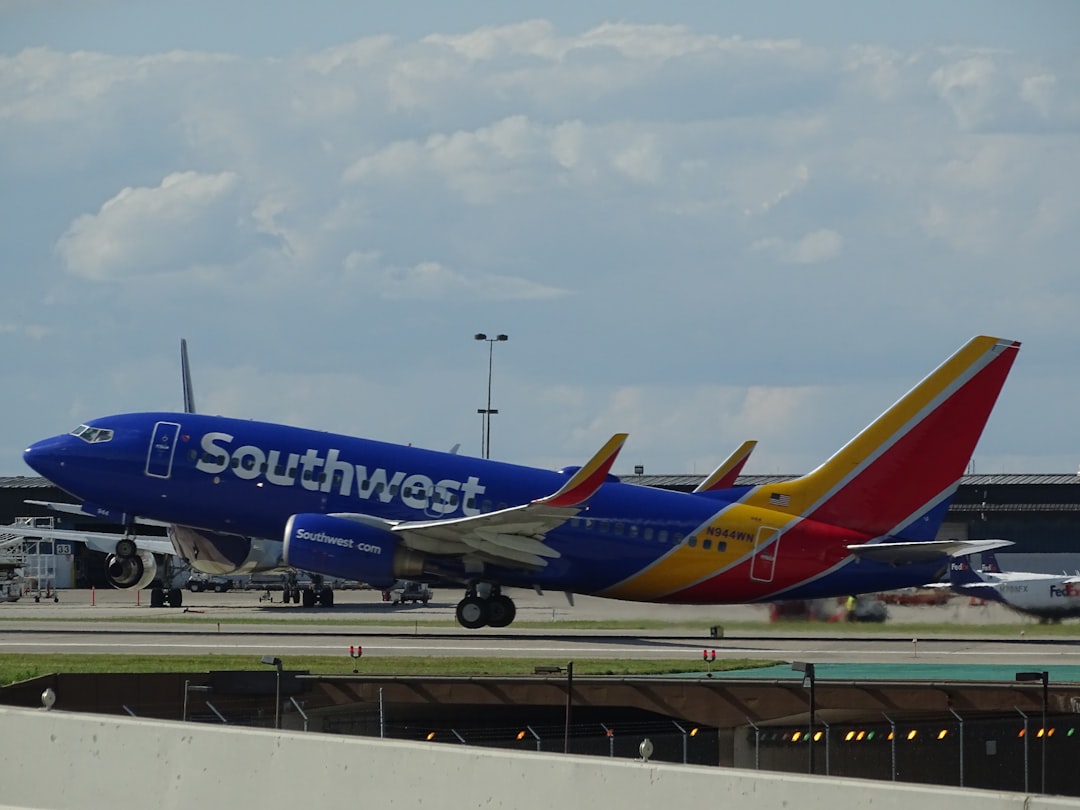
The boarding system works like this:
- Group letter: A, B, or C
- Boarding position number: 1–60 (for each letter group)
Your position will look something like A21 or B45.
What Do the Boarding Groups Mean?
- Group A (1–60): Boards first and has the widest selection of seats.
- Group B (1–60): Boards after A group; seat choices become more limited.
- Group C (1–60): Boards last; usually means middle seats and fewer options.
Passengers line up according to their letter and number at marked posts at the gate. For example, if you’re B10, you will stand between the B1–30 markers and board after B9.
How Do You Get Your Boarding Position?
Your boarding position is primarily determined by when you check in. Southwest opens check-in exactly 24 hours before departure. The earlier you check in, the better your boarding position tends to be.
Here are the main ways your position can be assigned:
- Standard check-in: First come, first served at 24-hour mark.
- EarlyBird Check-In: Paid option for automatic earlier check-in.
- Upgraded Boarding: Purchase A1–A15 positions at the gate (when available).
- Business Select fares: Automatically include A1–A15 boarding.
Boarding Priority Comparison
| Option | Cost | Boarding Position | Best For |
|---|---|---|---|
| Standard Check-In | Free | Based on 24-hour check-in time | Budget travelers |
| EarlyBird Check-In | Additional fee | Automatically assigned earlier position | Those who want convenience |
| Upgraded Boarding | Higher fee (if available) | A1–A15 | Last-minute seat control |
| Business Select | Premium ticket | A1–A15 guaranteed | Frequent or business travelers |
Family Boarding and Special Situations
Southwest adjusts its system slightly for families and certain passenger groups.
- Family Boarding: Families with children aged 6 or younger board after Group A and before Group B.
- Preboarding: Passengers with disabilities needing assistance board before Group A.
- Active-duty military: Typically allowed to board between A and B groups.
This helps families sit together even if they didn’t secure early boarding positions.
What Happens Once You’re On the Plane?
Once you step onto the aircraft, the process is simple: choose any open seat. There are no premium economy rows, no hidden extra-legroom sections (though exit rows do offer more space), and no assigned zones.
Image not found in postmetaSome unspoken etiquette has developed among frequent flyers:
- Window and aisle seats fill first.
- Middle seats are typically last to go.
- Exit rows are highly sought after.
- Passengers often place a bag on a middle seat until boarding fills up.
If you board in Group A, you’ll likely have your pick. In Group C, you may need to take the first middle seat you see.
Why Doesn’t Southwest Assign Seats?
Southwest’s open seating policy isn’t random—it’s strategic.
1. Faster Turnaround Times
Open seating speeds up boarding and deplaning. Without assigned seats, there’s less congestion caused by passengers searching for specific rows or rearranging seats.
2. Lower Operational Costs
Eliminating seat assignment systems reduces administrative complexity, allowing Southwest to maintain its low-cost structure.
3. Encourages Early Check-In
The first-come, first-served boarding system drives customer engagement exactly 24 hours before departure.
4. Simplifies Aircraft Configuration
Southwest operates a single aircraft type (Boeing 737), which makes standardized open seating easier to manage.
Pros and Cons of Southwest’s Open Seating
Pros
- No seat selection fees
- Opportunity to choose your preference if boarding early
- Faster boarding process
- Often lower fares overall
Cons
- No guaranteed seat location
- Stress of checking in exactly at 24 hours
- Possibility of middle seats for late boarding groups
- Can be challenging for larger groups wanting to sit together
Tips for Getting the Best Seat on Southwest
If you want to maximize your comfort, timing and strategy matter.

1. Set a 24-Hour Alarm
Check in exactly when it opens. Even a few minutes can make a difference in boarding position.
2. Consider EarlyBird Check-In
If you don’t want the stress of checking in manually, this add-on may be worth it—especially on longer flights.
3. Aim for the Exit Rows
If legroom is important, head directly to exit rows once on board (if eligible to sit there).
4. Board Strategically
When your group is called, be ready. Lining up quickly ensures your numerical position stays intact.
5. Travel Light
Southwest allows two free checked bags, but if you bring a carry-on, you’ll want overhead bin space. Boarding earlier improves your chances.
Is Southwest’s System Better Than Assigned Seating?
It depends on your travel style.
If you:
- Like control and certainty
- Travel with large groups
- Want a specific seat guaranteed
You may prefer traditional assigned seating airlines.
If you:
- Value flexibility
- Prefer lower fares without seat fees
- Can check in early consistently
Southwest’s boarding system may work very well for you.
Common Questions About Southwest Seating
Can you save seats?
Southwest has no formal policy for or against saving seats. In practice, light seat saving happens, but it’s unofficial and can sometimes cause tension.
Can couples sit together?
Yes—especially if one passenger boards early and chooses a row with an open seat beside them. Family boarding also helps parents with young kids.
Is there first class?
No. Southwest operates a single-class cabin. However, Business Select includes perks like premium boarding and complimentary drinks.
What if the flight is full?
On full flights, boarding position becomes especially important. Group C passengers should expect limited seat options.
Final Thoughts
So, does Southwest have assigned seats? No—but its open seating system is intentionally designed and surprisingly efficient.
Instead of reserving a specific seat weeks in advance, you’re reserving a boarding opportunity. Your place in line determines your choice once onboard. For some travelers, that adds excitement and flexibility. For others, it requires planning and punctual check-in.
Ultimately, Southwest’s system rewards preparedness. If you understand how boarding groups work and plan ahead, you can consistently score great seats—without ever selecting one on a seat map.
And that’s what makes Southwest’s approach different: simple, unconventional, and uniquely theirs.