
Across lunchboxes, picnics, and childhood memories, the small, wax-wrapped cheese affectionately known as Babybelletje has earned a place far greater than its size suggests. More than a convenient dairy snack, it represents a blend of tradition, playfulness, and shared cultural habits that cross generations and borders. Its familiar red shell and mild taste have become symbols of comfort, routine, and simple pleasure in everyday life.
TL;DR: Babybelletje is more than a bite-sized cheese; it is a cultural icon shaped by nostalgia, smart design, and family rituals. Its playful packaging and approachable flavor made it a favorite for children while also appealing to adults seeking convenience. Over time, it became a shared symbol of togetherness, portability, and mindful snacking. The treat’s significance lies as much in emotion and habit as in taste.
The Origins of a Small Cheese with a Big Presence
Babybelletje traces its roots back to traditional European cheese-making, particularly inspired by semi-soft cheeses produced in France. When the original Babybel was introduced in the mid-20th century, it tapped into a desire for wholesome dairy that could fit into modern lifestyles. The smaller size, later beloved under the nickname Babybelletje in some regions and families, reflected a shift toward portion control and individual servings.
Unlike many cheeses that require careful storage and slicing, Babybelletje arrived ready to eat. The red wax coating was not merely decorative but practical, preserving freshness and making transportation easier. From the beginning, its design supported mobility, mirroring an era in which meals increasingly happened outside the home.
Image not found in postmetaA Treat Designed for Play and Interaction
One of the most distinctive features of Babybelletje is the ritual of opening it. Peeling away the red wax, often with a small tug of the tab, became an interactive moment of anticipation. For children, this simple act turned eating into play. For adults, it offered a brief pause of tactile pleasure in a busy day.
This playful quality set Babybelletje apart from other snacks. Rather than being passively consumed, it invited engagement. Many people remember shaping the wax into small sculptures or balls, adding an element of creativity to the experience. These tiny rituals contributed to the emotional attachment people formed with the cheese.
Babybelletje in Family Life and Childhood Memory
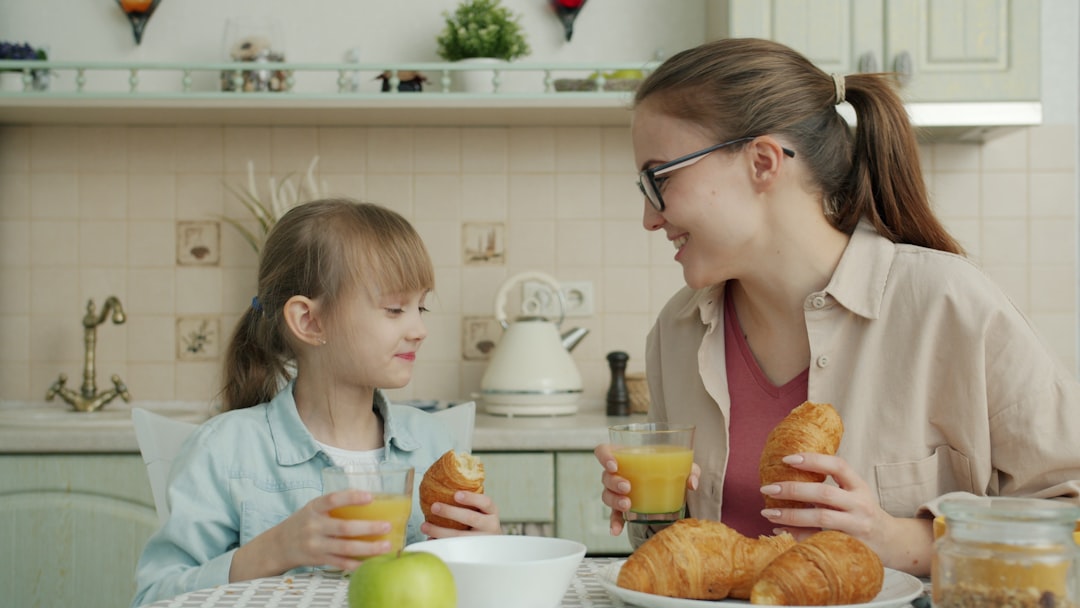
In many households, Babybelletje became a staple of childhood. Packed into school lunches or handed out as an after-school snack, it symbolized care and reliability. Parents appreciated its nutritional value, while children focused on its mild flavor and fun presentation.
The cheese often served as a bridge between generations. Adults who had grown up with it were eager to pass the tradition on to their children. In this way, Babybelletje transformed from a product into a shared memory, reinforcing family bonds through repetition and familiarity.
Portability and the Rise of Modern Snacking
The cultural rise of Babybelletje cannot be separated from broader changes in eating habits. As workdays lengthened and leisure activities became more mobile, consumers sought food that could travel easily. Babybelletje answered that need with its compact shape and protective wax layer.
It became a companion on train rides, park picnics, and road trips. Unlike fragile crackers or messy spreads, it retained its form and flavor. This reliability fostered trust, and over time, people associated Babybelletje with preparedness and balance.
- Easy to pack without refrigeration for short periods
- Pre-portioned, encouraging mindful snacking
- Minimal mess, suitable for all ages
A Symbol of Approachable Nutrition
Beyond nostalgia, Babybelletje holds cultural value as an introduction to cheese for many young eaters. Its mild taste avoids the sharpness or complexity that can deter children. This gentle flavor profile helps normalize dairy consumption and builds early appreciation for cheese as a food category.
Marketing often emphasized calcium, protein, and natural ingredients, aligning the product with health-conscious parenting. While indulgent in its own way, Babybelletje positioned itself as a balanced choice rather than a guilty pleasure. This perception strengthened its role in everyday diets.
Pop Culture, Advertising, and Global Reach
Over decades, Babybelletje benefited from memorable advertising that highlighted fun, curiosity, and light-hearted rebellion. Commercials often depicted moments of surprise or playful escape, reinforcing the idea that taking time for a Babybelletje was a small break from routine.
As the brand expanded globally, it adapted to different cultures while maintaining its core identity. In some regions, local flavors or color variations appeared, but the essential experience remained unchanged. This balance between consistency and adaptation allowed Babybelletje to feel both familiar and locally relevant.
Image not found in postmetaEnvironmental and Ethical Conversations
In recent years, cultural conversations around sustainability have also touched Babybelletje. The iconic wax, once purely celebrated, became part of discussions about waste and recycling. In response, producers explored biodegradable materials and clearer disposal instructions.
This evolution reflects how cultural significance is not static. Babybelletje continues to adapt to modern values, demonstrating that beloved traditions can change without losing their essence. The willingness to respond to ethical concerns strengthens its long-term relevance.
The Enduring Emotional Connection
What ultimately defines Babybelletje’s cultural importance is emotion. It is tied to memories of childhood independence, moments of quiet comfort, and shared laughter. The cheese acts as a sensory time capsule, capable of transporting someone back to simpler moments with a single bite.
In a world of constantly shifting food trends, Babybelletje stands as a reminder that familiarity has power. Its continued presence in refrigerators and bags illustrates how small, consistent pleasures can shape collective culture.
Frequently Asked Questions
-
What does “Babybelletje” mean?
Babybelletje is an affectionate diminutive form often used to refer to the small Babybel cheese, emphasizing its size and charm. -
Why is Babybelletje wrapped in red wax?
The wax protects the cheese from air and contamination, while also making it portable and recognizable. -
Is Babybelletje only for children?
No, while popular with children, it is enjoyed by people of all ages as a convenient and comforting snack. -
Has Babybelletje changed over time?
Yes, new flavors and sustainability efforts have been introduced, but the core product remains largely the same. -
Why is Babybelletje culturally significant?
Its significance comes from shared memories, playful interaction, and its role in everyday family life rather than from taste alone.