
For businesses in Southampton, online visibility is no longer optional. Whether you are a local service provider, retailer, professional firm, hospitality business, or growing B2B company, your customers are searching online before they make contact. Southampton SEO is the process of improving your website so that it appears more prominently in search engines when people look for the products, services, or expertise you offer.
TLDR: Southampton SEO helps local businesses attract more relevant traffic from search engines and convert that traffic into enquiries, bookings, and sales. A strong strategy combines technical website improvements, high-quality content, local search optimisation, and trustworthy link building. The best results come from consistent, ethical work rather than short-term shortcuts. For Southampton businesses, SEO is a long-term investment in visibility, credibility, and growth.
Why SEO Matters for Southampton Businesses
Southampton is a competitive commercial city with a strong mix of local companies, independent traders, professional services, tourism, education, marine industries, and retail. This means your potential customers often have several options when they search online. If your website is not visible on the first page of search results, you may be losing valuable enquiries to competitors who have invested more effectively in SEO.
Search engine optimisation is not simply about ranking for a few keywords. It is about making your business easier to find, easier to understand, and easier to trust. When done properly, SEO supports the entire customer journey: from discovery and research to comparison and conversion.
Image not found in postmetaWhat Southampton SEO Typically Includes
A reliable SEO strategy is built from several connected areas. Each one contributes to how search engines assess your website and how users experience it.
- Keyword research: Identifying the search terms your customers use, including local phrases such as “solicitor in Southampton,” “Southampton electrician,” or “accountants near Ocean Village.”
- Technical SEO: Improving site speed, mobile usability, crawlability, indexation, structured data, and overall site health.
- On-page optimisation: Refining page titles, headings, internal links, image alt text, meta descriptions, and page content.
- Local SEO: Optimising your Google Business Profile, local citations, reviews, location pages, and map visibility.
- Content strategy: Creating useful, relevant content that answers customer questions and demonstrates expertise.
- Authority building: Earning high-quality backlinks and mentions from relevant, reputable websites.
- Conversion improvement: Making it easier for visitors to call, book, request a quote, or submit an enquiry.
Local SEO: Reaching Customers in and Around Southampton
For many businesses, local SEO is one of the most important parts of online marketing. When someone searches for a nearby service, search engines often show a map pack, business listings, reviews, and location-based results. Appearing in these areas can drive highly motivated traffic, because the user is usually close to making a decision.
To improve local visibility, your business details must be accurate and consistent across the web. Your name, address, phone number, opening hours, and services should match on your website, Google Business Profile, directories, and social platforms. Reviews also play an important role. A steady flow of genuine customer reviews helps build trust and can improve engagement from search results.
For Southampton businesses, location relevance matters. If you serve areas such as Portswood, Bitterne, Shirley, Woolston, Totton, Eastleigh, Winchester, or the wider Hampshire region, your website should clearly explain this. Dedicated service area content can help search engines understand where you operate and help customers confirm that you are a suitable choice.
Building a Website Search Engines Can Trust
Search engines aim to recommend websites that are useful, reliable, and easy to use. If your website is slow, confusing, outdated, or difficult to navigate on mobile devices, it can affect both rankings and conversions. A technically sound website creates a stronger foundation for every other SEO activity.
Important technical considerations include:
- Fast loading times across desktop and mobile devices.
- Secure browsing using HTTPS.
- Clear site structure with logical navigation and internal links.
- Mobile-friendly design that works well on all screen sizes.
- Clean indexing so search engines can find and understand your key pages.
- Structured data where appropriate, such as local business schema or review markup.
Content That Demonstrates Expertise
High-quality content is central to sustainable SEO. It gives search engines clear signals about what your business does and gives visitors the information they need to take the next step. For example, a Southampton law firm might publish guides about conveyancing timelines, while a local builder might explain planning considerations for home extensions in Hampshire.
The most effective content is specific, practical, and written for real users rather than search engines alone. It should answer questions, reduce uncertainty, and show that your business understands the customer’s needs. Thin, generic, or duplicated content rarely performs well over the long term.
Good content opportunities may include:
- Service pages for each core offering.
- Location pages for important areas you serve.
- Frequently asked questions based on real customer enquiries.
- Case studies showing successful projects or outcomes.
- Advice articles that address common problems or decisions.
- Industry insights relevant to Southampton, Hampshire, or the South Coast.
Trust, Reviews, and Online Reputation
SEO and reputation are closely connected. Customers are more likely to click on a business that appears professional, has strong reviews, and presents consistent information. Search engines also use signals of trust and authority when evaluating websites.
Encouraging satisfied customers to leave honest reviews can support both visibility and conversion rates. However, reviews should be earned naturally and handled responsibly. Responding professionally to feedback, including criticism, shows that your business is active, accountable, and customer-focused.
Trust can also be strengthened through clear contact details, team profiles, accreditations, qualifications, insurance information, portfolio examples, and transparent service descriptions. For professional sectors, these details can be particularly important because customers are often making high-value or sensitive decisions.
Measuring SEO Performance
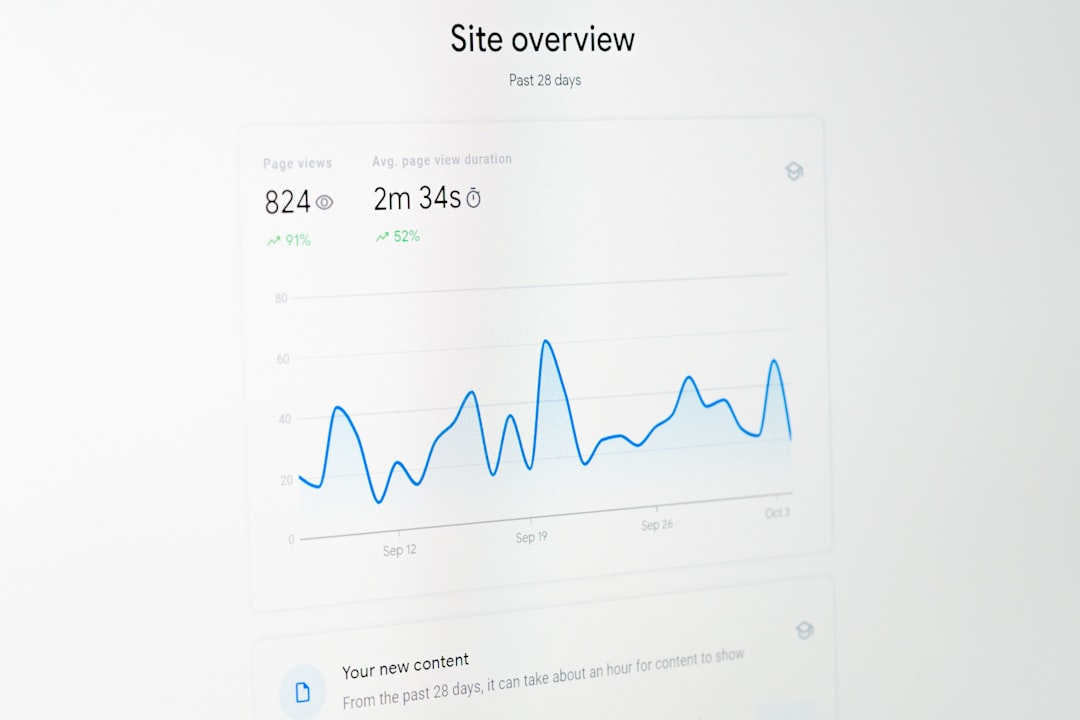
One of the strengths of digital marketing is that performance can be measured. Reliable SEO reporting should focus on meaningful business outcomes, not just vanity metrics. Rankings matter, but they are only part of the picture.
Key metrics to monitor include:
- Organic traffic: How many visitors arrive from search engines.
- Keyword visibility: How your website ranks for important search terms.
- Local map performance: Views, calls, direction requests, and website visits from local listings.
- Enquiries and conversions: Form submissions, calls, bookings, purchases, or quote requests.
- Engagement: How users interact with your pages once they arrive.
- Technical health: Site errors, speed issues, and indexing problems.

Avoiding Shortcuts and Risky SEO
Businesses should be cautious of anyone promising instant first-page rankings or guaranteed results without a clear explanation of the work involved. SEO is influenced by competition, website history, search engine updates, content quality, and many other factors. Ethical SEO focuses on long-term growth, not manipulative tactics.
Risky practices such as buying low-quality links, copying content, keyword stuffing, or creating misleading pages can damage your reputation and search performance. A trustworthy SEO approach is transparent, evidence-based, and aligned with search engine guidelines.
Choosing the Right SEO Approach in Southampton
The right strategy depends on your goals, market, competition, and current website condition. A small local trades business may need strong map visibility and service area pages, while an ecommerce business may require technical optimisation, category improvements, and product content. A professional firm may need authority-led content and reputation signals.
Before investing, it is sensible to review your current website performance, keyword opportunities, competitor activity, and conversion paths. This helps create a realistic plan with clear priorities. SEO should not be treated as an isolated activity; it works best when combined with good branding, clear messaging, strong customer service, and a website that supports enquiries or sales.
Final Thoughts
Southampton SEO is a practical way to increase your online visibility and attract customers who are already searching for what you offer. It requires patience, consistency, and a commitment to quality, but the long-term benefits can be significant. By improving technical performance, strengthening local presence, publishing useful content, and building trust, your business can compete more effectively in search results.
In a city as commercially active as Southampton, being visible online can make a measurable difference. A serious, well-planned SEO strategy helps your business become easier to find, easier to trust, and easier to choose.