
Modern organizations generate and consume data at an unprecedented pace. From transactional databases and cloud applications to IoT devices and third-party APIs, data flows continuously through business systems. To remain competitive, companies must move, transform, and integrate this data efficiently. This is where ETL (Extract, Transform, Load) pipeline platforms like Talend play a pivotal role, enabling reliable and scalable data movement across complex environments.
TLDR: ETL pipeline platforms like Talend help organizations collect data from multiple sources, transform it into usable formats, and load it into target systems such as data warehouses or dashboards. They provide automation, scalability, governance, and real-time processing capabilities. These platforms simplify complex integration tasks, reduce manual effort, and improve data quality. As businesses increasingly rely on analytics and cloud infrastructure, ETL tools have become essential components of modern data architecture.
The Role of ETL in Modern Data Architecture
At its core, ETL refers to three primary processes:
- Extract: Retrieving data from various structured and unstructured sources.
- Transform: Cleaning, enriching, standardizing, and validating the data.
- Load: Moving processed data into a target system such as a data warehouse or data lake.
While early ETL processes were largely batch-oriented and on-premises, modern systems demand greater agility. Businesses now require:
- Real-time or near real-time data movement
- Cloud-native scalability
- Advanced data governance
- Automated workflows
Platforms like Talend address these needs by offering integrated environments that simplify data pipeline creation and management.
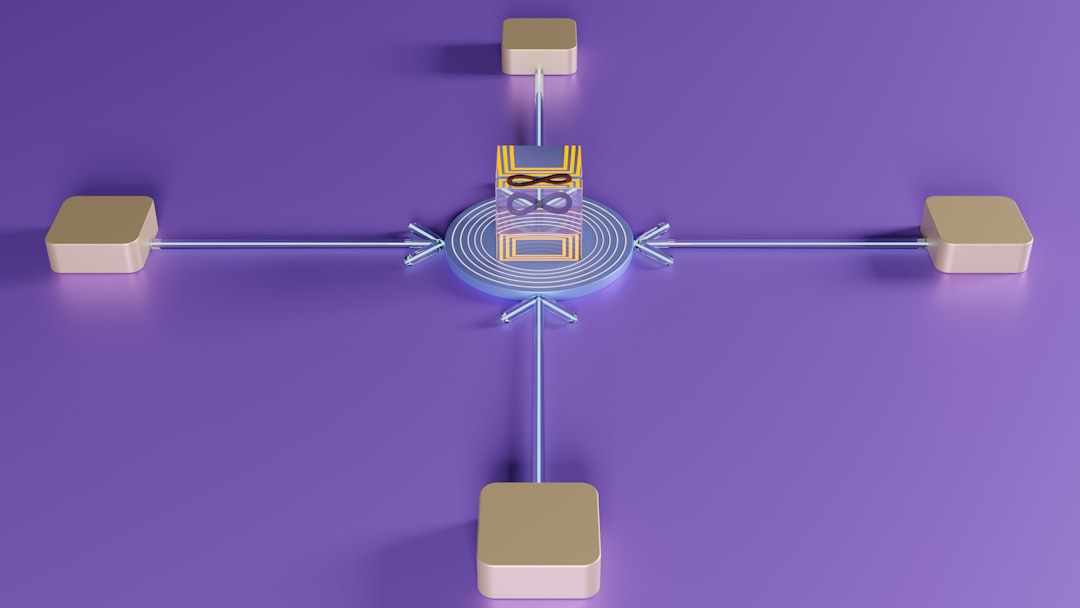
What Makes Talend and Similar Platforms Stand Out?
ETL platforms such as Talend are not merely scripts or connectors; they are comprehensive ecosystems for managing enterprise data flows. Several features distinguish them in the market.
1. Visual Pipeline Design
One of the defining characteristics is a graphical drag-and-drop interface. Engineers and analysts can visually design workflows, connecting components like databases, APIs, and transformation blocks. This reduces dependency on handwritten scripts and improves maintainability.
2. Extensive Connectivity
Modern organizations use dozens, sometimes hundreds, of applications. Talend-like platforms typically support:
- Relational databases (MySQL, PostgreSQL, Oracle)
- Cloud data warehouses (Snowflake, BigQuery, Redshift)
- SaaS tools (CRM, marketing platforms)
- Flat files (CSV, JSON, XML)
- Streaming systems (Kafka)
This extensive connectivity ensures data can move seamlessly across departments and systems.
3. Data Quality and Governance
Beyond basic transformation, these platforms integrate data profiling and quality checks. Records can be validated, deduplicated, standardized, and enriched before loading. Governance features often include metadata management, lineage tracking, and role-based access control.
Cloud and Hybrid Deployments
As organizations migrate to cloud infrastructures, ETL platforms have evolved to support hybrid and multi-cloud setups. Talend, for instance, offers both on-premises and cloud-based deployments.
Key advantages of cloud-enabled ETL platforms include:
- Elastic scalability: Resources automatically scale with workload.
- Reduced infrastructure management: Cloud providers handle hardware and maintenance.
- Faster deployment cycles: Pipelines can be spun up quickly.
Hybrid functionality is particularly important for enterprises transitioning from legacy systems. Data can move between on-prem databases and cloud warehouses without disrupting operations.

Real-Time vs Batch Processing
Traditional ETL was predominantly batch-driven. Data might be collected overnight and processed during off-peak hours. However, modern business models often require instant insights.
ETL platforms now support:
- Batch processing: Scheduled jobs for large data volumes.
- Micro-batching: Smaller, more frequent updates.
- Real-time streaming: Continuous ingestion and transformation.
A retail organization, for example, may use real-time pipelines to update inventory dashboards instantly when transactions occur. Meanwhile, financial reconciliation processes might rely on nightly batch jobs.
Automation and Orchestration
Data movement is rarely a single-step process. ETL pipelines often consist of complex dependencies: extract data, transform it, validate results, push to storage, then notify stakeholders.
Platforms like Talend provide built-in workflow orchestration:
- Scheduling tasks at specific times
- Trigger-based pipeline execution
- Dependency management between jobs
- Error handling and retry logic
Automation reduces manual oversight and ensures that pipelines run consistently, even across distributed teams and time zones.
Data Transformation Capabilities
Transformation is frequently the most resource-intensive step in the ETL process. Effective platforms provide:
- Advanced filtering and mapping
- Data aggregation and joins
- Data masking and encryption
- Custom scripting components
For instance, data from sales systems might require currency conversions, timezone normalization, and customer record deduplication before it becomes analytics-ready. ETL platforms centralize these rules within reusable components.

Security and Compliance
Data privacy regulations such as GDPR and industry-specific compliance requirements make secure data movement essential. Modern ETL platforms support:
- Encryption in transit and at rest
- User authentication and role-based permissions
- Audit logs and activity tracking
- Data masking for sensitive fields
By integrating governance directly into pipelines, companies reduce risk and enhance accountability.
Use Cases Across Industries
ETL platforms such as Talend are utilized in various scenarios:
Business Intelligence and Analytics
Organizations centralize disparate data sources in a data warehouse to enable unified reporting dashboards and predictive models.
Customer Data Integration
Marketing and sales teams benefit from consolidated customer profiles derived from CRM systems, web activity, and support platforms.
Cloud Migration
Enterprises moving legacy data to cloud-based warehouses rely on ETL pipelines to ensure secure and accurate transitions.
Regulatory Reporting
Financial institutions standardize data into formats required by regulatory bodies.
Challenges and Considerations
Despite their advantages, ETL platforms present certain challenges:
- Learning curve: Teams must understand architecture and transformation logic.
- Cost: Enterprise-grade features may require licensing fees.
- Performance optimization: Large datasets demand fine-tuning for efficiency.
Successful implementation typically involves structured planning, data governance frameworks, and cross-functional collaboration.
The Evolution Toward ELT and Data Fabric
In recent years, ELT (Extract, Load, Transform) has gained popularity, particularly with scalable cloud warehouses. Instead of transforming data before loading, raw data is first stored, and transformation occurs within the warehouse.
Platforms like Talend have adapted to support both ETL and ELT approaches. Additionally, emerging concepts such as data fabric and data mesh architectures emphasize decentralized data ownership while maintaining connectivity across systems.
This flexibility ensures that ETL platforms remain relevant even as data strategies evolve.
Conclusion
ETL pipeline platforms like Talend have become foundational tools in modern data ecosystems. They empower organizations to move data securely, transform it meaningfully, and deliver actionable insights to decision-makers. With features encompassing automation, cloud integration, governance, and real-time capabilities, these platforms simplify complex data movement challenges. As businesses continue to scale digital operations, robust ETL solutions will play an increasingly strategic role in enabling data-driven innovation.
Frequently Asked Questions (FAQ)
1. What is an ETL pipeline platform?
An ETL pipeline platform is a software solution that automates the extraction of data from multiple sources, transforms it into a usable format, and loads it into a target system such as a data warehouse or analytics platform.
2. How does Talend differ from custom-coded data pipelines?
Talend provides a visual interface, pre-built connectors, governance tools, and orchestration features, reducing the need for extensive manual scripting and simplifying maintenance.
3. Can ETL platforms handle real-time data processing?
Yes, many modern ETL platforms support real-time streaming and micro-batching in addition to traditional batch processing.
4. Are ETL platforms suitable for cloud environments?
Absolutely. Platforms like Talend offer cloud-native, hybrid, and multi-cloud support, making them adaptable to diverse infrastructure setups.
5. What industries benefit most from ETL solutions?
Industries such as finance, healthcare, retail, manufacturing, and technology benefit significantly due to their reliance on accurate, timely, and integrated data.
6. What is the difference between ETL and ELT?
ETL transforms data before loading it into a storage system, while ELT loads raw data first and performs transformations within the target system, typically a cloud data warehouse.