
Programmable Logic Controller (PLC) platforms are the backbone of modern industrial automation. Among these, Allen‑Bradley Studio 5000 stands out as one of the most widely deployed and respected environments for developing, configuring, and maintaining automation control systems. From discrete manufacturing to process industries, PLC programming platforms enable engineers to manage complex machinery, synchronize production lines, and ensure consistent operational performance. As industrial systems grow more interconnected and data‑driven, the choice of a robust PLC programming platform becomes a strategic decision.
TLDR: PLC programming platforms such as Allen‑Bradley Studio 5000 provide the tools necessary to design, configure, and maintain reliable industrial automation systems. They support multiple programming languages, advanced diagnostics, integrated safety, and networked communication. Studio 5000 in particular is trusted for its scalability, enterprise integration, and comprehensive development environment. Selecting the right platform directly impacts productivity, system stability, and long‑term operational efficiency.
Understanding PLC Programming Platforms
A PLC programming platform is specialized software used to create and manage the logic that controls industrial machinery. PLCs monitor inputs such as sensors and switches, execute control logic, and actuate outputs like motors, valves, and relays. The programming platform serves as the engineer’s interface for defining how these processes operate.
Core functions of a PLC programming platform typically include:
- Logic Development – Creating ladder logic, function block diagrams, and structured text programs.
- Hardware Configuration – Assigning modules, I/O points, and communication networks.
- Diagnostics and Troubleshooting – Monitoring real‑time system performance and identifying faults.
- Documentation – Maintaining tag databases, comments, and cross‑references.
- Security Management – Controlling user access and protecting intellectual property.
Without a powerful and reliable programming environment, even the most advanced hardware cannot perform effectively in demanding industrial settings.
Allen‑Bradley Studio 5000: An Industry Benchmark
Allen‑Bradley’s Studio 5000 Logix Designer, developed by Rockwell Automation, has become a benchmark in automation engineering. It integrates controller configuration, programming, and network setup within a unified software framework. The platform supports ControlLogix and CompactLogix controllers, commonly used in manufacturing facilities worldwide.
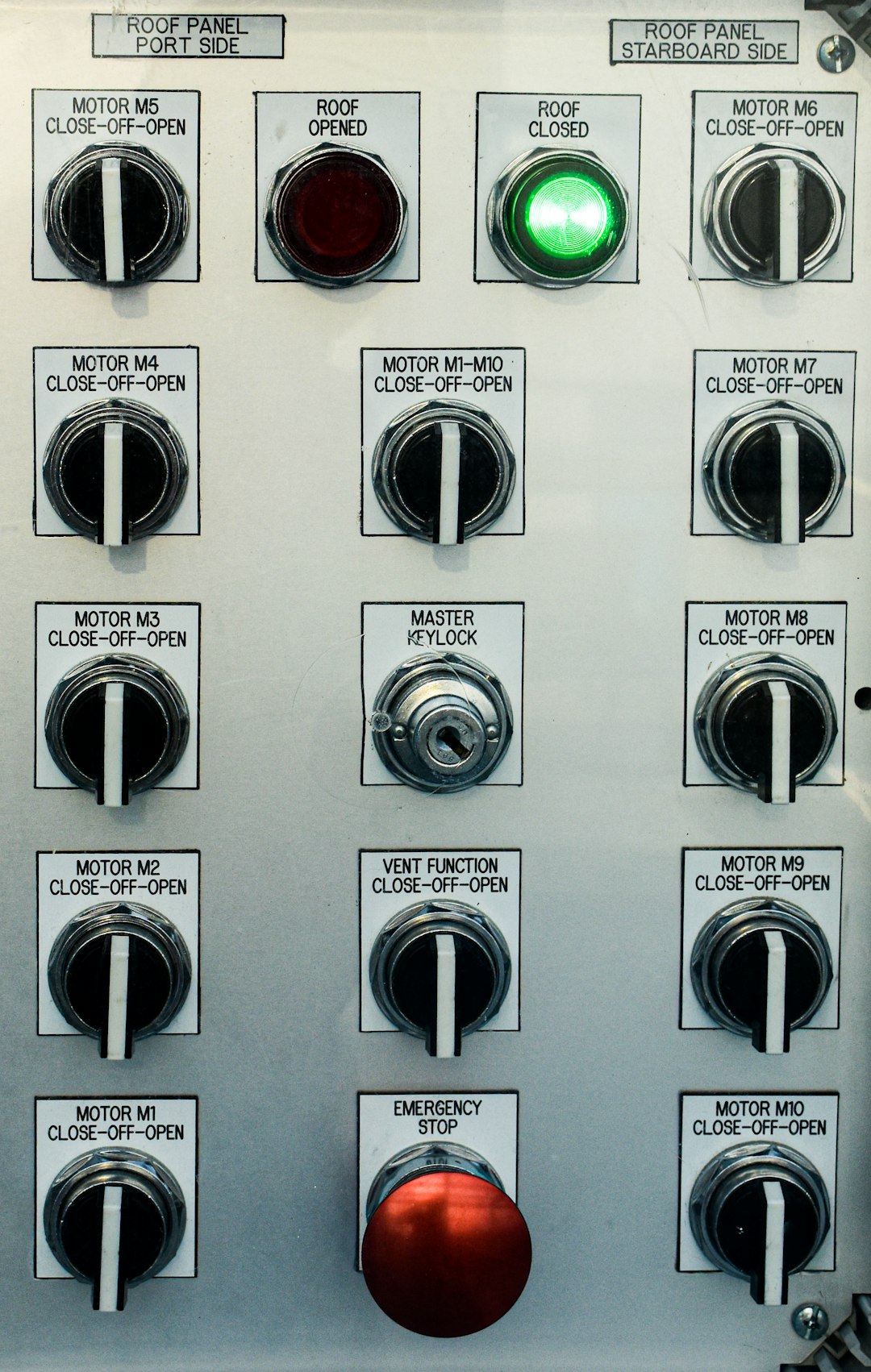
One of the defining advantages of Studio 5000 is its integrated architecture. Rather than managing motion control, safety, visualization, and standard control in separate environments, Studio 5000 consolidates them under one development ecosystem. This reduces integration complexity and enhances consistency across projects.
Key Technical Features
- Tag‑Based Programming – Instead of relying on fixed memory addresses, Studio 5000 uses descriptive tag names. This increases readability and reduces programming errors.
- Multiple IEC 61131‑3 Languages – Ladder Diagram (LD), Function Block Diagram (FBD), Structured Text (ST), and Sequential Function Chart (SFC) are supported.
- Integrated Motion and Safety – Motion control and safety logic coexist within the same programming framework.
- Scalability – From small machine‑level systems to enterprise‑wide distributed control architectures.
- EtherNet/IP Integration – Seamless communication across drives, HMIs, remote I/O, and smart devices.
Programming Languages and Flexibility
The choice of programming language significantly impacts maintainability and clarity. Studio 5000 provides flexibility by supporting all major IEC languages, allowing engineers to select the best approach for each application.
Ladder Logic remains dominant in many industries due to its visual resemblance to electrical schematics. Maintenance technicians can interpret ladder diagrams quickly, making troubleshooting more efficient.
Structured Text, on the other hand, is ideal for complex mathematical calculations and algorithmic routines. It resembles high‑level programming languages and is favored for advanced process applications.
Function Block Diagrams simplify continuous process logic by representing control strategies as interconnected blocks. This is particularly effective in process industries such as oil and gas or chemical manufacturing.
By combining these languages within a single project, engineers can optimize each part of the system without sacrificing readability or performance.
System Integration and Network Architecture
Modern automation systems are no longer isolated islands. Instead, they form interconnected networks spanning production floors, control rooms, and enterprise software platforms. Studio 5000 is designed to function within this network-centric reality.
Image not found in postmetaUsing EtherNet/IP as a primary communication protocol, Allen‑Bradley PLCs can communicate with:
- Variable Frequency Drives (VFDs)
- Remote I/O modules
- Human Machine Interfaces (HMIs)
- SCADA systems
- Industrial robots
- Safety controllers
This interoperability reduces engineering hours and increases consistency across automation projects. Moreover, integration with data historians and Manufacturing Execution Systems (MES) enables performance tracking and predictive maintenance strategies. Engineers can leverage built‑in diagnostics to analyze network performance and device status in real time.
Reliability and Industrial Performance
Industrial environments impose demanding conditions: vibration, temperature fluctuations, electrical noise, and continuous operation. PLC programming platforms must support hardware capable of maintaining uptime under these stresses.
Studio 5000 enhances reliability through:
- Online Editing – Modify logic without stopping production.
- Redundancy Support – Controller redundancy for critical processes.
- Advanced Diagnostics – Fault logging and detailed status monitoring.
- Version Management – Controlled updates and firmware compatibility tracking.
Online editing is especially critical in high‑availability environments where halting production can result in substantial financial losses. Engineers can implement logic changes, test them, and verify behavior while the system remains operational.
Safety Integration
Safety is no longer a separate afterthought in automation design. Modern PLC platforms integrate functional safety directly into the control system. Studio 5000 allows the configuration of GuardLogix controllers, where safety and standard control share a unified programming structure.
This approach reduces hardware duplication, simplifies documentation, and ensures consistent diagnostics. Engineers can apply safety integrity level (SIL) or performance level (PL) design principles while maintaining streamlined project management.
Integrated safety delivers several benefits:
- Reduced panel space
- Simplified wiring
- Unified diagnostics
- Faster commissioning
Lifecycle Management and Long‑Term Support
Automation systems often remain operational for decades. A PLC programming platform must therefore provide structured lifecycle support. Rockwell Automation offers firmware updates, long‑term product availability, and technical support resources that ensure continuity over extended operational periods.
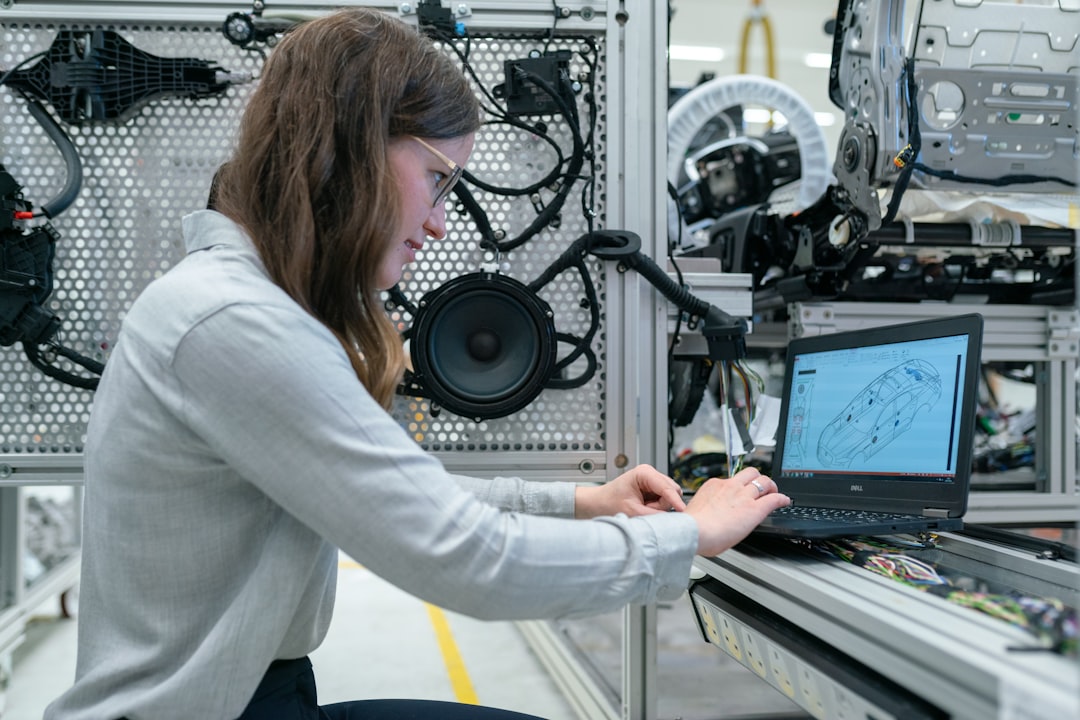
Studio 5000 supports documentation tools, change tracking, and standardized project organization. These capabilities are critical when multiple engineers or system integrators collaborate over the lifespan of a facility. Clear version control reduces configuration drift and maintains compliance with internal engineering standards.
Cybersecurity Considerations
With increased connectivity comes elevated cybersecurity risk. PLC platforms must be hardened against unauthorized access and malicious intrusion. Studio 5000 incorporates role‑based access control, encrypted communications, and controller security features.
Best practices in PLC cybersecurity include:
- Restricting user privileges
- Implementing network segmentation
- Maintaining regular firmware updates
- Monitoring network traffic anomalies
- Applying secure remote access protocols
A secure PLC programming environment not only protects intellectual property but also ensures operational continuity and regulatory compliance.
Comparison with Other PLC Platforms
While Studio 5000 is a leading platform, it operates within a competitive ecosystem that includes Siemens TIA Portal, Schneider Electric EcoStruxure, and Mitsubishi GX Works. Each platform offers unique strengths in architecture, interface design, and regional market dominance.
Studio 5000 is particularly valued in North America and industries standardized on Rockwell Automation hardware. Its tag‑based architecture and integrated motion capabilities provide an intuitive engineering workflow. However, platform selection should always consider:
- Existing infrastructure compatibility
- Local technical support availability
- Industry‑specific requirements
- Total cost of ownership
- Engineer familiarity and training
Standardization across facilities often brings significant maintenance and training benefits. Therefore, organizations frequently select a platform not only for technical performance but also for long‑term operational strategy.
The Future of PLC Programming Platforms
Automation is rapidly evolving through digital transformation, Industrial Internet of Things (IIoT), and edge computing. PLC programming platforms are expanding beyond traditional logic control to support analytics, remote monitoring, and cloud connectivity.
Emerging trends include:
- Integrated Analytics – Real‑time performance metrics embedded in the controller.
- Virtual Commissioning – Simulating control logic before physical deployment.
- Cloud Connectivity – Secure data transmission to enterprise platforms.
- Modular Software Design – Reusable code libraries and standardized templates.
Studio 5000 continues to adapt to these developments, maintaining relevance in increasingly digitized manufacturing landscapes.
Conclusion
PLC programming platforms such as Allen‑Bradley Studio 5000 serve as the operational core of industrial automation systems. They provide engineers with the tools needed to design reliable, scalable, and secure control solutions. Through integrated architecture, advanced diagnostics, and robust networking capabilities, Studio 5000 supports complex manufacturing and process environments with confidence.
For organizations seeking dependable long‑term automation performance, selecting a mature and well‑supported PLC programming platform is essential. Studio 5000 exemplifies a system designed not merely for immediate control tasks, but for sustained operational excellence in demanding industrial settings.