
Modern digital businesses depend on always-on systems, distributed architectures, and complex service integrations. In such environments, even a minor failure can cascade into major outages, financial loss, and reputational damage. Error alerting systems like PagerDuty have become essential components of reliable operations, enabling organizations to detect, prioritize, and respond to incidents in real time. These platforms are no longer optional enhancements; they are foundational tools for maintaining service continuity and operational resilience.
TL;DR: Error alerting systems such as PagerDuty provide real-time notifications, intelligent escalation, and coordinated incident response to minimize downtime. They integrate with monitoring tools to ensure that critical alerts reach the right teams immediately. By streamlining communication and automating workflows, these systems reduce response times and prevent small issues from escalating. Organizations that rely on digital infrastructure increasingly depend on robust alerting platforms to protect reliability and customer trust.
Error alerting platforms operate at the intersection of monitoring, communication, and incident management. While monitoring systems detect anomalies in infrastructure or applications, alerting systems ensure those anomalies are acted upon. The distinction is critical: detection without structured notification and escalation often results in delayed responses, confusion, and avoidable downtime.
The Growing Complexity of Modern Systems
Today’s IT environments are vastly more complex than traditional monolithic systems. Cloud-native architectures, container orchestration, microservices, and multi-region deployments introduce layers of abstraction that increase both scalability and risk. A performance bottleneck in one service can ripple across an ecosystem of dependent components.
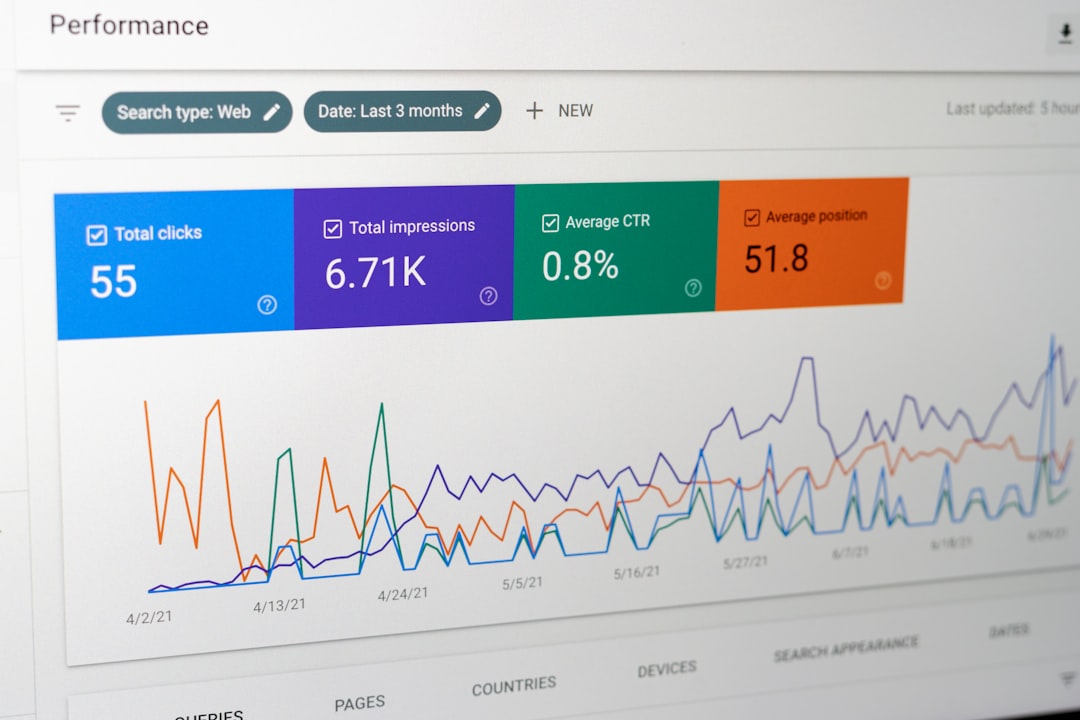
In this context, manual monitoring is neither practical nor reliable. Automated alerting systems process thousands of metrics and events per second, identifying patterns that indicate failures or degradation. Without such automated systems, operations teams would struggle to maintain visibility.
Key complexity drivers include:
- Distributed microservices architectures
- Hybrid and multi-cloud deployments
- 24/7 global user bases
- Continuous integration and deployment cycles
- Third-party API dependencies
Each of these factors increases the probability of incidents while simultaneously raising the stakes of downtime. Real-time alerting becomes the mechanism that translates monitoring insight into decisive action.
How Error Alerting Systems Work
At a high level, systems like PagerDuty aggregate alerts from various monitoring tools, apply intelligence to reduce noise, and notify the appropriate personnel based on predefined policies. They are typically integrated with infrastructure monitoring platforms, application performance monitoring tools, log management systems, and security monitoring solutions.
The core workflow generally includes:
- Event Detection: Monitoring systems detect abnormal metrics, failed health checks, or error logs.
- Alert Triggering: An alert is generated and forwarded to the alert management system.
- Filtering and Deduplication: The platform correlates related events to avoid redundant notifications.
- Escalation Policies: Alerts are routed to on-call engineers according to predefined schedules.
- Incident Coordination: Stakeholders are updated, and collaboration tools are activated.
This structured approach ensures that no alert is left unaddressed. Furthermore, automation significantly reduces the cognitive load on teams who would otherwise be overwhelmed by alert fatigue.
Real-Time Notification and Escalation
The defining feature of platforms like PagerDuty is real-time notification. When a critical system fails, seconds matter. Notifications may be delivered through multiple channels, including:
- Push notifications to mobile applications
- SMS messages
- Phone calls with automated voice alerts
- Email messages
- Integrations with collaboration tools such as Slack or Microsoft Teams
If an on-call engineer does not acknowledge the alert within a specified timeframe, escalation policies automatically notify the next responsible individual. This redundancy ensures continuous coverage, even across time zones and shift rotations.
Such automation eliminates ambiguity about responsibility. Everyone understands who is on call, what their obligations are, and how incidents will be escalated if necessary.
Reducing Alert Fatigue
One of the most significant operational risks in modern IT is alert fatigue. When engineers receive excessive low-priority alerts, they can become desensitized, potentially overlooking critical warnings. Intelligent alerting platforms address this challenge through:
- Event correlation to group related alerts
- Threshold tuning to prevent unnecessary triggers
- Machine learning insights that identify anomalies rather than static thresholds
- Priority classification to distinguish critical incidents from minor warnings
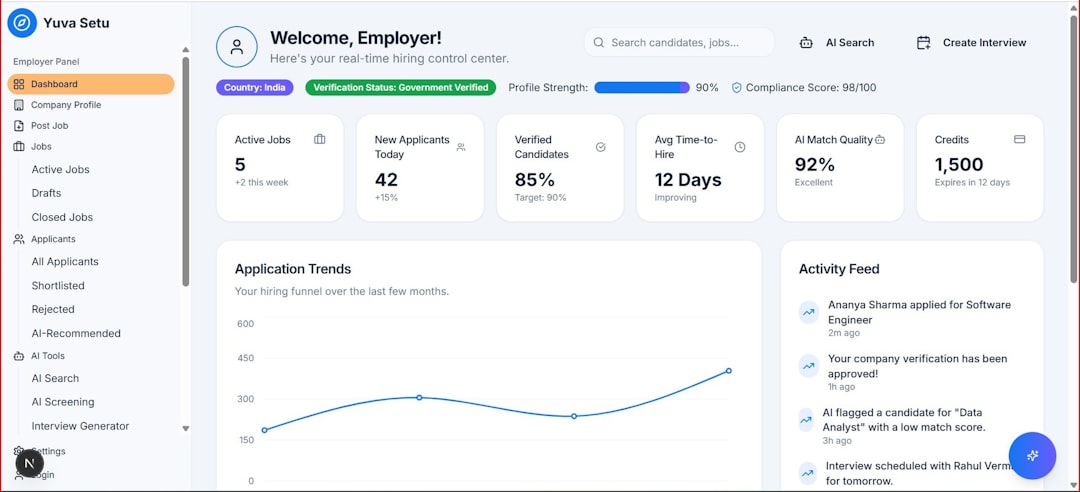
By improving signal-to-noise ratio, these systems help technical teams focus on meaningful issues. Over time, improved alert hygiene contributes to better morale, sharper performance, and faster response times.
Incident Response and Collaboration
Error alerting is only the beginning of effective incident management. Once an alert is acknowledged, coordinated response becomes critical. Leading platforms provide built-in tools for:
- Creating shared incident timelines
- Documenting actions taken
- Assigning roles such as incident commander
- Tracking resolution steps
- Generating post-incident reports

These collaboration features formalize what was once handled informally through emails and chat messages. Structured processes reduce confusion and establish accountability. After resolution, post-mortem reports provide valuable data to prevent recurrence and refine monitoring practices.
Integration Across the Technology Stack
Error alerting systems derive much of their power from ecosystem integrations. A robust alerting platform typically connects with:
- Infrastructure monitoring solutions
- Application performance monitoring tools
- Log aggregation services
- CI/CD pipelines
- Cloud provider monitoring services
- Security information and event management systems
This integration ensures a single pane of glass for incident visibility. Rather than monitoring disparate systems independently, organizations consolidate alerts into a unified workflow. As a result, incident triage becomes faster and more efficient.
Business Impact and Risk Mitigation
The benefits of real-time alerting extend beyond technical efficiency. They directly influence business performance. Downtime has measurable financial costs, including lost revenue, regulatory penalties, and customer attrition. In industries such as finance, healthcare, and e-commerce, even brief outages can result in substantial losses.
By minimizing mean time to detect (MTTD) and mean time to resolve (MTTR), error alerting platforms significantly reduce the overall impact of incidents. Faster detection limits the scope of damage, while coordinated response accelerates recovery.
Business advantages include:
- Reduced revenue loss from outages
- Improved service level agreement compliance
- Enhanced customer trust
- Stronger regulatory adherence
- Greater operational transparency
In executive environments, demonstrable reliability has become a competitive advantage. Organizations that recover rapidly from incidents are better positioned to maintain customer loyalty and investor confidence.
Security and Compliance Considerations
Beyond operational failures, alerting systems also play a role in cybersecurity. Suspicious login attempts, traffic anomalies, or unauthorized configuration changes can trigger immediate notifications. Rapid identification of security threats reduces exposure and supports forensic investigation.
Additionally, detailed audit logs and incident documentation support compliance frameworks such as ISO standards, SOC certifications, and industry-specific regulatory schemes. The ability to demonstrate structured incident management is increasingly scrutinized during audits.
Best Practices for Implementing Error Alerting Systems
To maximize effectiveness, organizations should adopt thoughtful implementation strategies:
- Define clear severity levels to standardize response criteria.
- Maintain up-to-date on-call schedules to avoid gaps in coverage.
- Continuously refine thresholds to reduce unnecessary alerts.
- Conduct regular incident drills to prepare teams for high-severity scenarios.
- Perform blameless post-mortems to encourage continuous improvement.
Proper governance ensures that alerting systems remain assets rather than sources of friction. Periodic reviews help align alerting policies with evolving infrastructure and organizational needs.
The Future of Intelligent Alerting
As artificial intelligence and machine learning technologies mature, error alerting systems are becoming more predictive. Rather than reacting solely to predefined metrics, advanced platforms analyze historical data to anticipate failures before they occur.
Emerging capabilities include:
- Predictive anomaly detection
- Automated root cause suggestions
- Self-healing integrations with remediation scripts
- Advanced analytics dashboards for performance optimization
These innovations shift operations from reactive firefighting to proactive reliability engineering. Over time, this evolution reduces both costs and risk exposure.
Conclusion
Error alerting systems like PagerDuty are essential components of modern digital operations. By delivering real-time alerts, intelligent escalation, and structured incident management, they ensure rapid response to critical events. The result is reduced downtime, improved collaboration, and stronger protection against financial and reputational damage.
In environments where reliability defines competitiveness, structured alerting is not merely a technical enhancement; it is a strategic necessity. Organizations that invest in mature, integrated alerting systems position themselves to operate with confidence, resilience, and operational excellence in an increasingly complex digital landscape.