
In the digital age, a brand’s online presence can be its most valuable asset. While template-based website builders seem like a quick and inexpensive solution, they may fall short in scalability, customization, and long-term value. This brings us to a pivotal consideration for brands aiming to grow — the strategic investment in custom website development.
TLDR
Custom website development isn’t just about standing out visually; it’s about laying a strong foundation for performance, scalability, and long-term control. Unlike pre-made templates, custom solutions are designed around your brand’s specific goals and audience. Over time, this leads to stronger engagement, better SEO outcomes, and higher ROI. For growing brands, investing in a tailored website is a smart, future-proof decision.
Why Custom Website Development Matters
At first glance, ready-made themes and website builders like Wix or Squarespace might seem appealing. They offer speed and affordability, but they come with limitations that can hinder your brand as it scales. Custom website development offers a level of specificity and personalization that pre-built solutions simply can’t rival.
- Flexibility: Every line of code is tailored to your brand’s unique needs, allowing for any desired functionality or design element.
- Scalability: As your brand grows, the site can evolve without needing a complete overhaul.
- Speed and performance: Custom sites are optimized for efficiency, resulting in faster loading times and better user experiences.
Moreover, a custom website aligns perfectly with your backend systems, marketing tools, and customer journey—creating a seamless ecosystem that supports your ambitions for growth.
Long-Term Cost Efficiency
One of the most misunderstood aspects of custom development is cost. At the outset, it can seem expensive compared to a DIY approach. However, when viewed from a long-term perspective, it actually proves more economical.
Template-based websites often require constant patches, plugin updates, and third-party integrations that add hidden costs over time. Meanwhile, a custom-built website minimizes the need for workarounds. Because it’s designed to handle your current and future needs, the initial higher investment pays for itself by reducing technical debt and avoiding frequent redesigns.
Tailored User Experience (UX)
User experience is at the center of digital engagement. A well-executed custom website enables you to strategically respond to user behavior, streamline navigation, and reduce friction in the buying or conversion journey. Since it’s built from scratch, every feature from navigation menus to checkout flows can be designed to serve user needs intuitively.
In contrast, template websites often need to compromise on UX in favor of pre-existing layouts that may not fit your visitor’s behavior or expectations. That misalignment can affect conversion rates, customer satisfaction, and brand perception.

Enhanced Security and Data Protection
Security is a growing concern for both users and business owners. Templates and mass-market platforms are prime targets for attacks because their codebases are widely known and often poorly maintained. Custom websites, on the other hand, offer improved protection through:
- Proprietary coding: Less susceptible to blanket attacks due to unique code structures.
- Selective plugin usage: You only use what’s necessary, reducing potential vulnerabilities.
- Tailored compliance measures: Custom sites can be aligned with industry standards such as GDPR, CCPA, or HIPAA as needed.
This level of security is essential for growing brands who value customer trust and handle sensitive user data, especially in e-commerce or service-based industries.
Search Engine Optimization (SEO) Potential
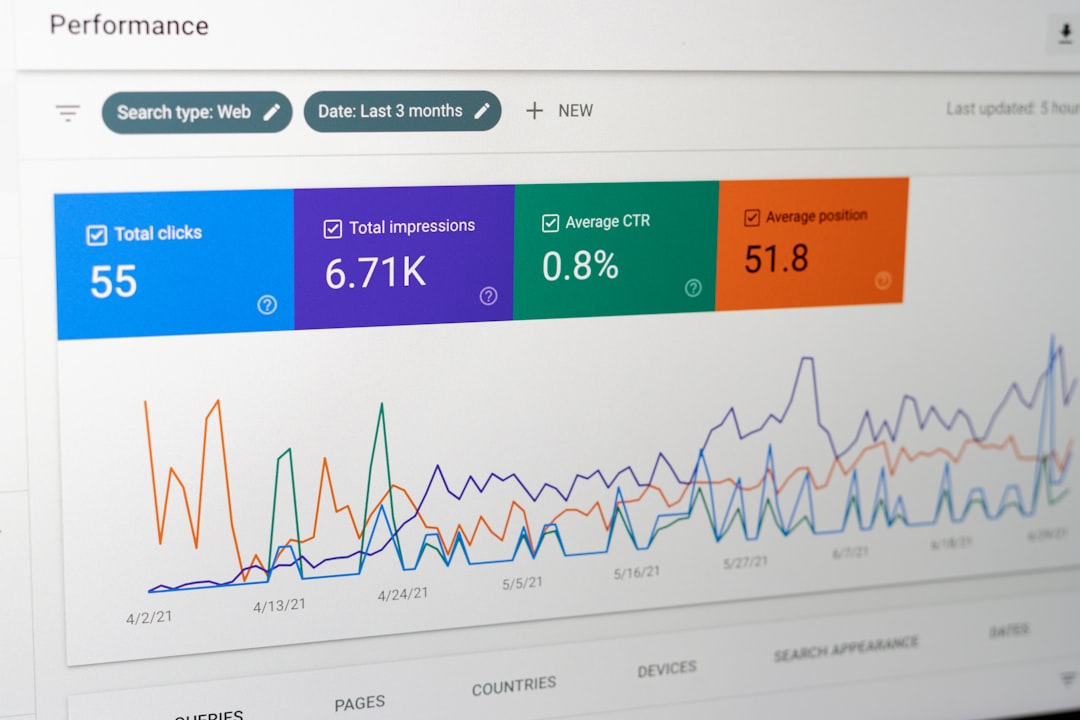
One of the biggest silent contributors to a brand’s online success is how discoverable it is via search engines. Custom websites give you full control over the technical and on-page SEO capabilities. Advanced SEO implementation is often harder — or even impossible — with templates that restrict URL structuring, heading tags, or schema markup.
A tailor-made site can be optimized from day one with fast load speeds, clean code, mobile responsiveness, and structured data — all of which are critical factors in search rankings. The result is a website that not only attracts visitors but also retains them.
Easy Integration With Business Systems
As brands grow, they begin to rely heavily on a range of digital tools: CRM systems, POS integrations, marketing automation, analytics dashboards, and more. Trying to force-fit these into a template website is like forcing a square peg into a round hole.
With custom development, these integrations are planned from the very beginning. The result is a smooth digital workflow that increases staff productivity and improves the customer journey at every touchpoint.
Better Brand Identity and Design Consistency
Your website is often the first impression a potential customer gets of your brand. Design consistency and storytelling are crucial here. Templates can make your site look generic — like hundreds of others online.
Custom development hands over full creative control, allowing your design team to precisely reflect your brand’s voice, values, and vision. Whether it’s through advanced animations, unique content layouts, or interactive features, your website becomes an authentic extension of your brand identity.
Control and Ownership
When you opt for a custom website, you get full ownership of your code, content, design, and hosting. This autonomy means you’re not locked into a specific platform or subscription model, giving you the freedom to change providers or make modifications anytime.
This kind of control also allows for faster troubleshooting and the agility to respond quickly to market opportunities or technical challenges, which is invaluable for a business in growth mode.
Future-Proofing Your Digital Strategy
Technology evolves rapidly. Websites that were top-of-the-line just a few years ago may now be outdated or even unusable on modern devices. A custom site, however, is built with longevity in mind. Clean, modular code and thoughtful architecture allow for easier updates and integration with emerging technologies.
Whether it’s voice search, AI-driven personalization, or headless CMS adoption, custom solutions make it easier to innovate and stay ahead of the curve — without starting from scratch every few years.
Case Studies and Real-World ROI
Numerous case studies demonstrate the long-term benefits of going custom. Brands that migrate from templated sites to custom platforms often report:
- Improved conversion rates due to better UX and performance
- Increased organic traffic thanks to refined SEO features
- Higher user engagement due to tailored experiences
- Reduced bounce rates triggered by faster loading and relevant content
These results aren’t coincidental — they are the natural outcomes of a development process that focuses on aligning business goals with technological precision.
In Conclusion
Building a custom website is not just a project; it’s a strategic investment in your brand’s digital future. It provides the scalability, security, performance, and personalization essential for companies seeking sustainable growth. While the upfront costs may be higher, the long-term value it delivers in brand authority, operational efficiency, and market differentiation makes it an asset you truly own and can build upon for years to come.
For ambitious brands committed to delivering unique value to their audience, the choice is clear: custom website development isn’t just beneficial — it’s essential.