
Expanding reach across social media, email, and paid channels is no longer optional for brands that want to stay competitive. Audiences are fragmented across platforms, attention spans are shorter than ever, and algorithms constantly evolve. To break through the noise, marketers must combine organic visibility, owned audience nurturing, and strategic paid amplification into a unified growth engine.
TLDR: Brands can significantly expand their reach by repurposing high-performing content across channels, building and segmenting email lists, leveraging paid amplification strategically, collaborating with creators, using data-driven optimization, and testing multi-channel retargeting funnels. Success depends on consistency, tracking performance metrics, and aligning messaging across platforms. When social, email, and paid channels work together, each one strengthens the others and compounds overall visibility.
1. Repurpose High-Performing Content Across Channels
One of the most effective ways to expand reach is to maximize the value of existing content. Instead of constantly creating new materials from scratch, brands can identify top-performing posts, articles, or ads and adapt them for different platforms.
For example:
- Turn a long-form blog post into multiple short social media posts.
- Convert webinar highlights into email campaigns.
- Transform customer testimonials into paid ad creatives.
- Break podcasts into short-form video clips.
This approach not only saves time but also ensures that proven content receives extended exposure. Performance data becomes the guiding signal for where to invest effort.
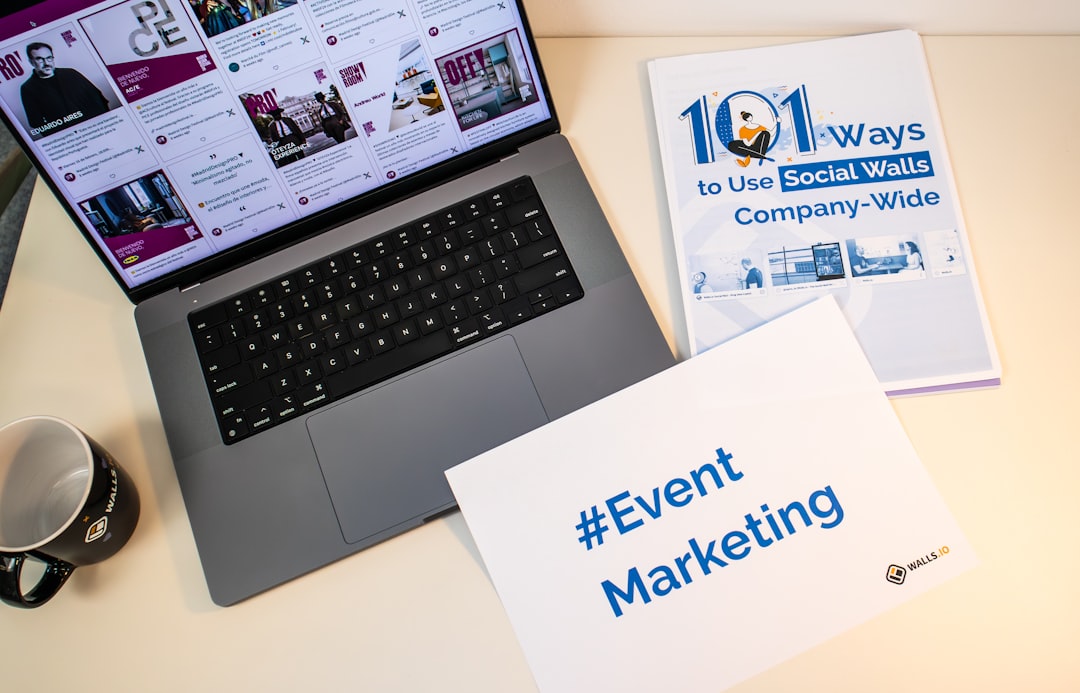
To streamline this process, many teams rely on tools that centralize publishing and analytics.
| Tool | Best For | Key Benefit |
|---|---|---|
| Hootsuite | Social scheduling | Centralized multi-platform publishing |
| Canva | Creative adaptation | Quick resizing for multiple formats |
| HubSpot | Email and content management | Unified content tracking |
Repurposing ensures that strong ideas are not underutilized. Instead, they become the fuel powering growth across every channel.
2. Build and Segment an Engaged Email List
While social platforms provide visibility, email remains a high-control, high-conversion channel. Expanding reach begins with list growth—but meaningful results come from segmentation.
Effective list-building strategies include:
- Offering exclusive downloadable resources.
- Hosting webinars or live workshops.
- Running contests or giveaways.
- Providing early access to product launches.
Once contacts are captured, segmentation allows brands to tailor messages based on behavior, interests, or purchase history. Personalized emails typically see higher open rates, click-through rates, and overall engagement.
For example, a brand might:
- Send product education to new subscribers.
- Offer loyalty rewards to returning customers.
- Re-engage inactive subscribers with special campaigns.
This targeted approach increases reach not just numerically, but effectively—ensuring content actually resonates instead of being ignored.
3. Use Paid Amplification Strategically
Organic growth is powerful but often limited by algorithms. Paid channels provide the acceleration needed to expand beyond existing audiences.
However, success in paid advertising requires more than boosting random posts. Strategic amplification includes:
- Promoting only top-performing organic content.
- Running lookalike or similar audience campaigns.
- Testing multiple creative variations.
- Using retargeting to nurture warm prospects.

Different platforms offer unique advantages:
| Platform | Strength | Ideal Use Case |
|---|---|---|
| Meta Ads | Detailed targeting | Interest and behavior-based prospecting |
| Google Ads | Intent capture | Search-driven demand generation |
| LinkedIn Ads | B2B targeting | Professional segmentation |
| TikTok Ads | High engagement | Short-form visual campaigns |
When paid campaigns are aligned with organic and email messaging, they amplify rather than replace other efforts. Paid media becomes the bridge connecting new audiences to owned channels like email lists.
4. Collaborate With Influencers and Strategic Partners
Expanding reach often requires tapping into someone else’s audience. Influencers, thought leaders, and complementary brands already have established trust with their followers.
Strategic collaborations can include:
- Co-hosted webinars.
- Guest newsletter features.
- Influencer product reviews.
- Joint social media giveaways.
The key lies in audience alignment. A smaller, highly targeted niche audience often generates stronger results than a broad but disconnected one.
Authenticity drives performance. Audiences can quickly identify forced partnerships, so genuine alignment and creative freedom are essential for credibility.
5. Implement Cross-Channel Retargeting Funnels
Most users do not convert after a single interaction. Expanding reach requires repeated exposure across multiple touchpoints.
A multi-channel retargeting funnel might look like this:
- User engages with a social post.
- They click through to a landing page.
- They receive a follow-up email sequence.
- They see paid retargeting ads reinforcing the message.

This layered approach increases familiarity and trust. Even if someone ignores a message in one channel, they may respond to it in another.
Modern marketing automation platforms make these workflows easier to manage by connecting tracking pixels, email automation, and CRM systems into a unified ecosystem.
Benefits of cross-channel funnels include:
- Higher brand recall.
- Improved conversion rates.
- Better ROI on ad spend.
- More accurate attribution tracking.
6. Continuously Analyze and Optimize for Growth
Reach expansion is not a one-time task. Continuous optimization ensures sustained performance.
Marketers should monitor key performance indicators such as:
- Engagement rates.
- Email open and click-through rates.
- Cost per click and cost per conversion.
- Audience growth rate.
- Return on ad spend.
A/B testing is particularly powerful. Testing variations of subject lines, ad creatives, posting times, and audience segments reveals incremental improvements that compound over time.
For example:
- Testing short versus long email subject lines.
- Experimenting with different video hooks.
- Comparing static images against carousel ads.
Data-informed decisions prevent wasted resources and ensure every channel contributes to expansion goals.
Bringing It All Together
The most successful brands do not treat social media, email, and paid advertising as isolated silos. Instead, they integrate them into a cohesive ecosystem. High-performing content feeds paid ads. Paid campaigns grow email lists. Email campaigns nurture relationships that fuel social engagement.
Consistency, alignment, and measurement are the foundations of scalable reach.
By repurposing content, building segmented email lists, using strategic paid amplification, collaborating with trusted voices, implementing cross-channel funnels, and constantly optimizing performance, brands create a self-reinforcing growth cycle. Over time, each channel strengthens the others—leading not only to expanded reach, but to sustained audience loyalty.
Frequently Asked Questions (FAQ)
1. Which channel is most effective for expanding reach?
There is no single best channel. Social media excels at visibility, email drives direct engagement, and paid ads accelerate growth. The most effective strategy combines all three.
2. How much budget should be allocated to paid channels?
Budget allocation varies by goal and industry. Many brands start by boosting high-performing organic content with a modest budget and scale campaigns that demonstrate positive ROI.
3. How often should content be repurposed?
Repurposing should be ongoing. High-performing content can be refreshed every few months and adapted for new formats or platforms.
4. What metrics matter most for expanding reach?
Impressions, engagement rate, audience growth rate, email open rate, and return on ad spend are critical indicators. However, metrics should align with specific campaign objectives.
5. Is email still relevant compared to social media?
Yes. Email offers direct access to audiences without algorithm limitations. It often delivers higher conversion rates and provides ownership of audience data.
6. How long does it take to see meaningful growth?
Results vary, but brands typically see noticeable improvements within three to six months when consistently applying cross-channel strategies and optimization practices.