
Attracting high-quality leads is one of the biggest challenges businesses face in competitive digital markets. While traffic numbers may look impressive on paper, they mean little without conversions. The most successful brands focus not just on generating attention, but on guiding potential customers toward meaningful action. With the right strategies, businesses can dramatically increase sign-ups—often by as much as 60%—without dramatically increasing ad spend.
TLDR: Businesses can boost sign-ups by up to 60% by combining targeted lead magnets, optimized landing pages, personalization, multi-channel promotion, and data-driven optimization. The key lies in aligning value with audience intent. Strategic testing and clear calls-to-action dramatically improve conversion performance. Consistency and refinement turn occasional leads into predictable growth.
Below are five proven strategies that consistently increase lead generation and significantly improve sign-up rates.
1. Create High-Value, Audience-Specific Lead Magnets
A generic newsletter sign-up is rarely enough to persuade modern users. Today’s consumers expect immediate and tangible value in exchange for their contact information. Businesses that offer highly specific lead magnets tailored to their audience’s pain points often see conversion rates skyrocket.
Effective lead magnets include:
- Downloadable guides and eBooks
- Exclusive webinars or workshops
- Templates and toolkits
- Free trials or limited demos
- Industry reports and case studies
The key is specificity. Instead of “Marketing Tips Guide,” a better offer would be “10 Email Subject Line Formulas That Increase Open Rates by 35%.” Clarity makes the value obvious and reduces hesitation.
Image not found in postmetaAdditionally, lead magnets perform best when they are:
- Quick to consume
- Highly actionable
- Visually professional
- Directly aligned with your core offer
When businesses match their lead magnet to a clear customer pain point, sign-ups can increase dramatically because the exchange feels fair and worthwhile.
2. Optimize Landing Pages for Conversion, Not Just Design
Many businesses focus heavily on aesthetics while overlooking functionality. A visually appealing page matters, but what truly drives conversions is clarity and strategic structure.
High-performing landing pages include:
- A compelling headline that communicates value instantly
- A subheadline that removes doubt or clarifies the benefit
- Bullet points highlighting advantages
- Social proof such as testimonials or statistics
- A single, focused call-to-action (CTA)

Simplicity sells. Too many options create friction. Removing navigation bars, reducing form fields, and using contrasting CTA buttons all contribute to measurable improvements.
In fact, reducing form fields from six to three can increase conversions by more than 30%. Each additional field introduces resistance, and even small friction points discourage users from completing the process.
Testing elements such as button color, headline structure, and CTA placement through A/B testing can yield remarkable results. Businesses that systematically test landing pages often achieve a 50–60% improvement in overall sign-up rates over time.
3. Leverage Personalization and Behavioral Targeting
Modern consumers expect personalized experiences. Businesses that tailor messaging based on user behavior significantly outperform those that rely on generic messaging.
Personalization strategies include:
- Dynamic content based on user location or industry
- Exit-intent popups with tailored offers
- Behavior-based email follow-ups
- Retargeting ads for previous visitors
For example, a returning visitor who previously viewed pricing may see a discount offer or a case study addressing common cost concerns. A first-time visitor, on the other hand, may receive educational content instead.
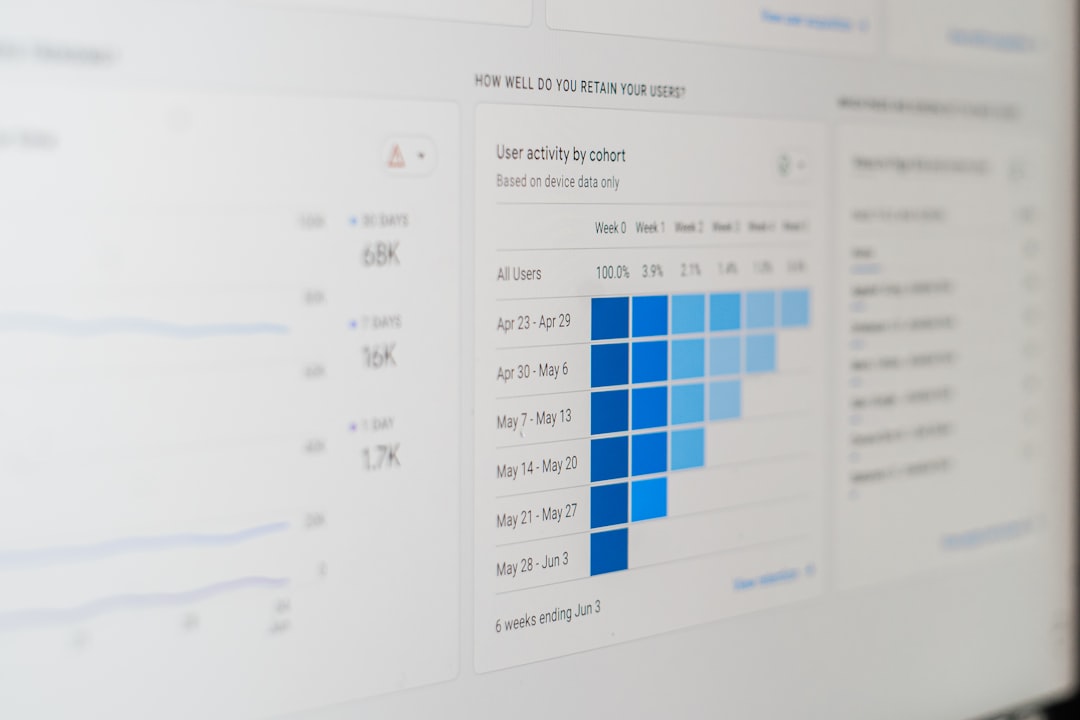
This alignment reduces friction because the content meets the visitor exactly where they are in the decision journey.
Personalization increases sign-ups because it:
- Builds relevance
- Strengthens trust
- Shortens the consideration phase
- Eliminates unnecessary content clutter
Even simple personalization—such as addressing subscribers by first name in follow-up emails—can noticeably improve engagement and conversion rates.
4. Use Multi-Channel Promotion to Capture Leads Everywhere
Relying on a single acquisition channel limits growth potential. Businesses that diversify traffic sources capture leads at multiple touchpoints, significantly increasing total sign-ups.
Effective channels include:
- Organic search (SEO)
- Paid advertising
- Social media marketing
- Content marketing and blogging
- Email campaigns
- Strategic partnerships
Each channel serves a distinct purpose. SEO builds long-term authority. Paid ads produce immediate visibility. Social media fosters engagement. Email nurtures relationships.
The key is integration. For example:
- A blog post drives readers to a lead magnet.
- The lead magnet triggers an automated email sequence.
- The emails promote a webinar.
- The webinar pitch drives sign-ups.
This ecosystem multiplies conversion opportunities rather than relying on a single moment of action.
Retargeting across platforms also plays a critical role. Visitors rarely convert on first contact. Strategic reminders across search engines and social platforms gently guide prospects back to the sign-up page.
5. Continuously Analyze Data and Optimize
No lead generation strategy is perfect from the start. Businesses that consistently improve their conversion rates rely heavily on analytics.
Critical metrics include:
- Conversion rate
- Cost per lead
- Bounce rate
- Click-through rate
- Time on page
Identifying drop-off points reveals exactly where potential leads are abandoning the process. For instance, if many users click a CTA but few complete the form, the issue likely lies in form friction or trust concerns.
High-performance teams adopt a culture of experimentation. Instead of guessing what works, they test hypotheses. Minor adjustments—such as stronger action verbs (“Get Instant Access” instead of “Submit”)—can generate substantial improvements.
Data-driven optimization turns incremental gains into exponential growth. A 10% improvement in multiple steps of the funnel compounds into a significant overall increase.
Bringing It All Together
When these five strategies work in combination, the results compound:
- A high-value lead magnet drives attention.
- An optimized landing page converts visitors.
- Personalization boosts relevance.
- Multi-channel promotion expands reach.
- Data analysis ensures continual improvement.
Together, these tactics create a powerful ecosystem that systematically increases sign-ups by as much as 60%. Instead of relying on luck or viral spikes, businesses build predictable lead-generation systems.
The most important principle is alignment—aligning value with audience needs, messaging with intention, and optimization with measurable data. When every element of the funnel supports the same goal, conversion rates rise naturally.
Frequently Asked Questions (FAQ)
1. How long does it take to see a 60% increase in sign-ups?
Results vary depending on traffic volume and existing performance. Businesses with steady traffic often see measurable improvements within 4–8 weeks after implementing structured optimization and testing.
2. What is the single most important factor in increasing sign-ups?
Clear value proposition. If visitors do not immediately understand what they gain, no amount of design or promotion will significantly improve conversions.
3. Should businesses prioritize paid ads or organic traffic?
A balanced strategy works best. Paid ads generate immediate results, while organic efforts like SEO provide sustainable long-term growth.
4. How many form fields are ideal for higher conversions?
Generally, fewer is better. Most high-converting forms use only three to four essential fields unless additional information is absolutely necessary.
5. Does personalization really make that much difference?
Yes. Personalized messaging increases relevance and trust, both of which are critical drivers of sign-ups and long-term engagement.
6. How often should landing pages be tested?
Continuous testing is ideal. Even small, ongoing adjustments can produce significant cumulative improvements over time.
By applying these focused strategies consistently, businesses transform lead generation from a guessing game into a scalable, data-driven growth engine.