
Product and service management is the discipline of planning, developing, launching, improving, and retiring offerings so they continue to meet customer needs and business goals. Across industries, it connects market research, pricing, operations, customer experience, compliance, and performance analytics into one repeatable process.
TLDR: Product and service management helps organizations shape what they sell, how they deliver it, and how they improve it over time. For example, a fitness app that notices a 28% drop in user engagement after week three may launch personalized workout reminders and beginner programs to improve retention. In practice, strong management turns customer feedback, usage data, and market trends into better products, smoother services, and stronger revenue.
Although the principles are similar, the execution varies widely by industry. A hospital may focus on patient outcomes and compliance, while a software company may prioritize feature adoption and subscription renewals. The following examples show how organizations manage products and services in practical, industry-specific ways.

20 Product and Service Management Examples Across Industries
-
Software as a Service: Feature Roadmap Management
A SaaS company may manage its product by tracking customer requests, churn reasons, and usage analytics. If only 35% of users adopt a reporting feature, the product team may redesign it, add tutorials, or simplify dashboards. -
Retail: Private Label Product Development
A grocery chain may introduce a private label organic snack line after noticing rising demand for healthier options. Product managers oversee supplier selection, packaging, shelf placement, pricing, and customer reviews. -
Healthcare: Patient Service Line Management
A hospital may manage its cardiology service by measuring appointment wait times, treatment outcomes, patient satisfaction, and referral volume. Service improvements may include online scheduling or post-discharge follow-up calls. -
Banking: Digital Account Services
A bank may manage mobile checking accounts by analyzing app logins, transaction failures, fraud claims, and customer support tickets. Service managers may add biometric login or real-time spending alerts to improve adoption. -
Hospitality: Guest Experience Packages
A hotel may create weekend wellness packages that include rooms, spa access, breakfast, and late checkout. Managers evaluate occupancy rates, booking sources, guest feedback, and profitability. -
Automotive: Electric Vehicle Model Updates
An automaker may manage an electric vehicle through battery upgrades, software updates, warranty policies, and charging partnerships. Product decisions are guided by range expectations, safety standards, and competitive pricing. -
E-commerce: Subscription Box Optimization
An online retailer may use customer ratings and return data to improve monthly subscription boxes. If beauty product subscribers prefer skincare over cosmetics, the assortment can shift accordingly. -
Telecommunications: Internet Plan Management
A telecommunications provider may manage broadband plans by balancing speed tiers, installation service, pricing, and support response times. Managers monitor cancellations, network reliability, and competitor offers. -
Education Technology: Learning Platform Enhancements
An edtech company may improve a learning platform by tracking course completion rates, quiz performance, and teacher feedback. New features could include adaptive lessons, progress dashboards, or parent notifications. -
Food Service: Menu Lifecycle Management
A restaurant chain may introduce seasonal menu items, test them in select locations, and remove underperforming dishes. Service managers also evaluate preparation time, ingredient costs, and customer satisfaction.

-
Insurance: Policy Bundle Management
An insurer may bundle auto, home, and life coverage to increase customer value. Product managers compare claim ratios, renewal rates, risk profiles, and customer preferences before adjusting premiums or coverage options. -
Manufacturing: Industrial Equipment Support Services
A machinery manufacturer may sell equipment with maintenance plans, spare parts subscriptions, and technician support. Service management focuses on uptime, repair speed, technician availability, and parts forecasting. -
Airlines: Fare Class and Loyalty Service Management
An airline may manage economy, premium economy, business class, and loyalty rewards as separate service products. Decisions involve seat inventory, baggage rules, upgrade pricing, and passenger satisfaction scores. -
Fitness: Membership and Class Management
A gym may manage memberships by analyzing attendance patterns, class popularity, cancellation reasons, and trainer availability. If evening classes reach 90% capacity, the gym may add more sessions or adjust staffing. -
Real Estate: Property Management Services
A property management firm may refine services such as tenant screening, maintenance coordination, rent collection, and owner reporting. Success is measured through occupancy rates, tenant retention, and repair resolution times. -
Media and Entertainment: Streaming Content Packages
A streaming platform may manage content bundles, ad-supported tiers, and premium subscriptions. Product teams track viewing hours, cancellation patterns, genre demand, and acquisition costs. -
Logistics: Delivery Service Levels
A logistics company may offer same-day, next-day, and economy shipping. Service managers evaluate delivery accuracy, fleet capacity, route efficiency, and customer complaints to refine pricing and service promises. -
Consumer Electronics: Device and Warranty Management
A consumer electronics brand may manage a smartphone line through hardware updates, accessories, warranties, software patches, and trade-in programs. Product managers balance innovation, cost, quality, and lifecycle timing. -
Professional Services: Consulting Package Design
A consulting firm may productize its services into fixed-scope packages, such as strategy audits or implementation workshops. Managers define deliverables, timelines, pricing, and success metrics to reduce ambiguity. -
Energy: Renewable Power Service Plans
An energy provider may offer residential solar plans, green electricity subscriptions, or battery storage services. Management includes contract design, installation coordination, regulatory compliance, and long-term performance monitoring.
Common Themes Across These Examples
Despite industry differences, effective product and service management usually follows a few shared patterns. First, organizations rely on customer insight, including surveys, reviews, complaints, interviews, and behavioral analytics. Second, they manage the full lifecycle, from concept and launch to optimization and retirement. Third, they connect business goals with customer value, ensuring that improvements are not only desirable but also profitable and operationally realistic.
Data-driven decision-making is especially important. A company may believe customers want lower prices, but support logs may reveal that faster delivery or clearer onboarding matters more. When management teams combine quantitative data with qualitative feedback, they are more likely to create offerings that customers actually use and recommend.
Image not found in postmeta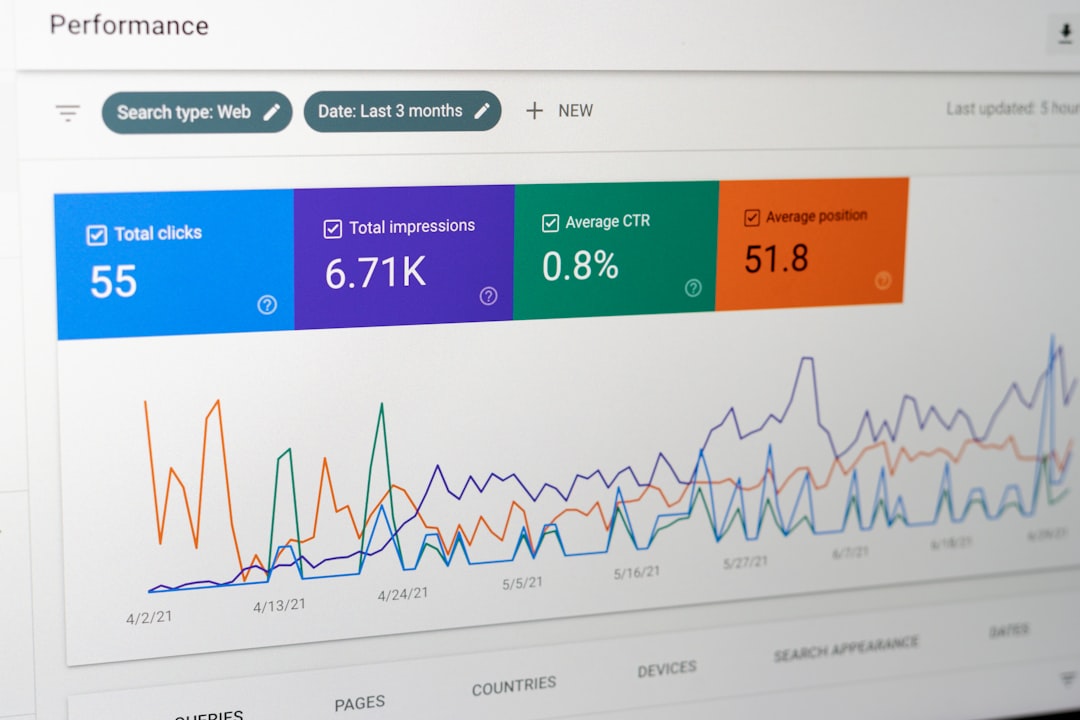
Why Product and Service Management Matters
Strong management reduces guesswork. It helps businesses prioritize investments, avoid unnecessary features, improve customer retention, and respond to market changes. It also creates alignment between departments such as marketing, sales, operations, finance, and customer support.
For service-based businesses, the discipline ensures consistency. A hotel, clinic, airline, or consulting firm must deliver a reliable experience every time. For product-based businesses, it helps maintain relevance through upgrades, pricing adjustments, packaging changes, and support improvements.
In many modern organizations, products and services are closely connected. A smartphone is not only a device; it also includes cloud storage, updates, customer support, insurance, and accessories. A bank account is not only a financial product; it includes mobile tools, fraud protection, advisory services, and customer communication. Product and service management brings these pieces together into one coherent customer experience.
FAQ
What is product and service management?
Product and service management is the process of developing, improving, pricing, delivering, and evaluating products or services throughout their lifecycle.
How is product management different from service management?
Product management usually focuses on tangible or digital offerings, such as software, devices, or packaged goods. Service management focuses on experiences, processes, and delivery quality, such as healthcare visits, consulting projects, or hotel stays.
Why do companies need product and service management?
Companies need it to understand customer needs, improve satisfaction, control costs, guide innovation, and remain competitive in changing markets.
What metrics are commonly used?
Common metrics include revenue, profit margin, churn rate, adoption rate, customer satisfaction, net promoter score, return rate, service response time, and renewal rate.
Can small businesses use product and service management?
Yes. A small business can use simple methods such as customer feedback forms, sales tracking, competitor reviews, and service checklists to improve offerings over time.