


In an increasingly digital world, a company’s website is often the first impression it makes on potential customers. For serious businesses, relying on basic templates or DIY site builders is rarely sufficient. Instead, they turn to professional custom website development services to create dynamic, user-friendly, and scalable digital platforms that match their unique needs and brand identities.
TLDR:
Professional custom website development offers a tailored approach that delivers a fully functional, responsive, and customized online presence. From research and strategy to design, development, and ongoing maintenance, clients can expect a collaborative process that enhances brand alignment and user experience. With an expert team guiding the project, businesses benefit from a partner who understands the balance between aesthetics and functionality. This ensures long-term scalability, SEO best practices, and integration with essential tools.
Understanding the Custom Website Development Workflow
Working with a professional website development agency involves a structured and collaborative workflow. While the details may vary depending on the agency or the complexity of a project, here are the universal stages most development teams follow:
1. Discovery and Strategy
The process begins with a discovery phase. This is where the agency seeks to understand the client’s goals, target audience, existing challenges, and brand direction. It’s a crucial step because it establishes the project’s scope and strategic direction.
- Competitor analysis
- User persona development
- Existing site audit (if applicable)
- Technical requirements gathering
This stage lays the foundation for the entire project and gives both client and developer a shared vision moving forward.
2. Planning and Information Architecture
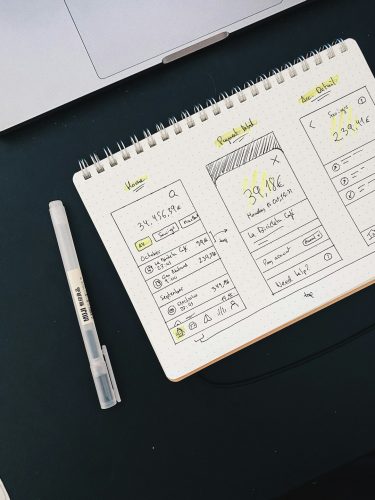
After gathering core insights, the team moves on to developing an information architecture. This is essentially the blueprint of the website and typically includes a sitemap and wireframes for key pages. The purpose here is to optimize usability and define content organization before any design or coding begins.
Sitemap: Defines the structure of the website, arranging pages in a logical hierarchy.
Wireframes: Simple mockups that display page layout, key elements, and user flows.

3. Design and Brand Integration
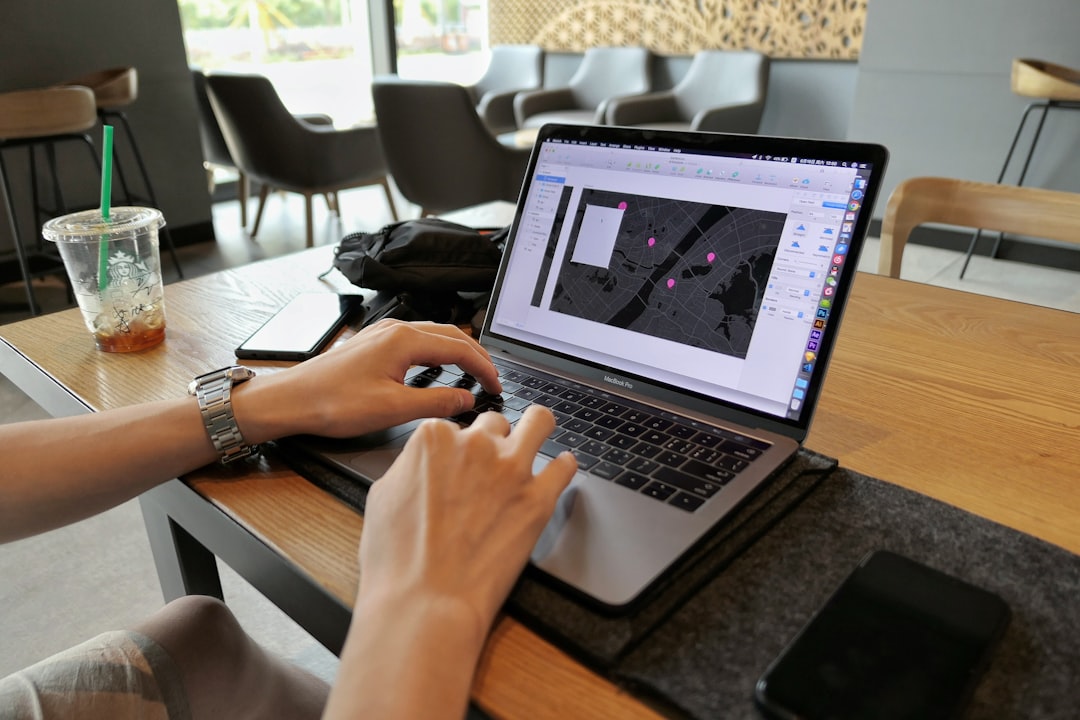
Once the layout is agreed upon, the designer begins the visual design. This is where brand elements—such as logos, fonts, color schemes, and overall aesthetics—are implemented to craft a unique and cohesive identity for the site.
Good designers balance beauty with usability. Their focus is on achieving a design that is visually compelling, mobile responsive, and aligns with user expectations. Deliverables in this stage might include:
- High-fidelity mockups for desktop, tablet, and mobile views
- Interactive prototypes for stakeholder review
- Style guides for future consistency
4. Development and Programming
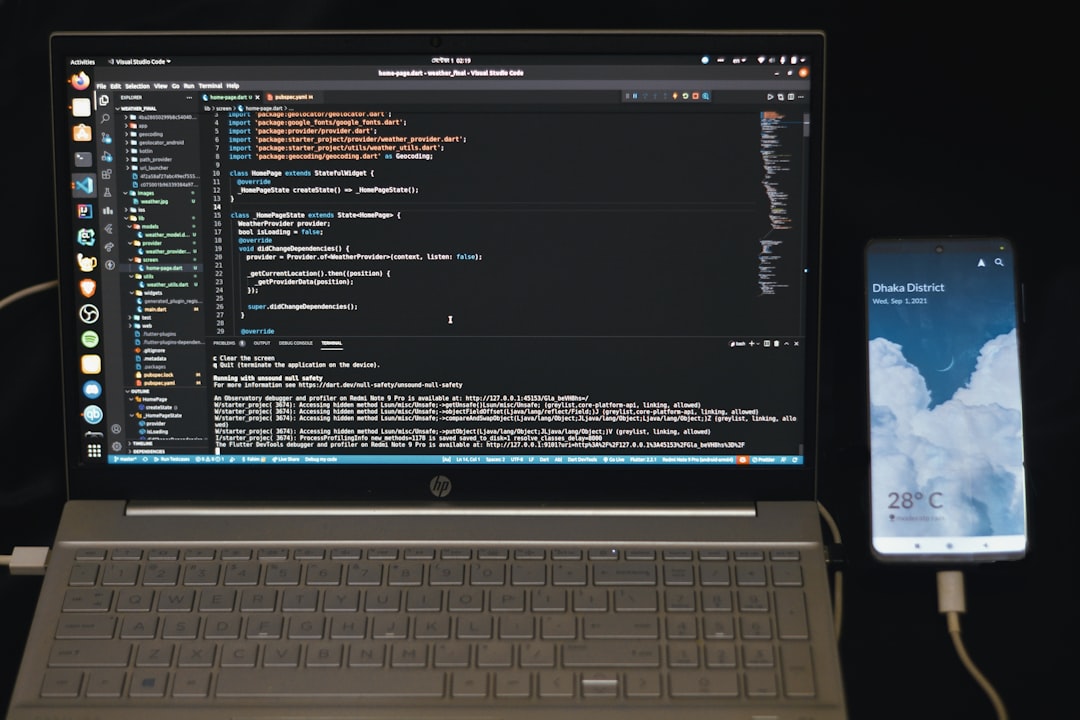
This is where the project transforms from static visuals to a live, interactive interface. Developers use front-end and back-end technologies to bring the site to life, including integrating any necessary databases, APIs, and CMS systems.
- Front-End Development: HTML, CSS, JavaScript, responsive design frameworks.
- Back-End Development: Server-side logic (PHP, Python, Node.js, etc.), database integration (MySQL, MongoDB), CMS (WordPress, Drupal, Craft, etc.)
- Quality Assurance: Code testing, error handling, and validation to ensure the site works across all devices and browsers.
At this stage, regular updates and developer/client check-ins help ensure that the final site matches expectations and functionality requirements.
5. Content Integration
Content—whether it’s written copy, media, or downloadables—is critically important. Professional agencies will either work with your own content, provide content writing services, or a blend of both. They will upload the content into the CMS and optimize it for style, tone, and SEO.
Tasks typically include:
- SEO optimization of titles, meta descriptions, and headers
- Multimedia integration (images, videos, animations)
- Adding alt tags, schema markup, and accessibility features
6. Testing and Launch
Before going live, the site needs extensive testing across platforms, browsers, and screen sizes. QA engineers check for bugs, broken links, loading speed issues, and whether all forms or integrations (such as subscriptions or payment gateways) function properly.
This stage involves:
- Cross-browser and device compatibility tests
- Performance optimization (minification, CDN, image compression)
- Security audits and HTTPS configuration
Once testing is complete, the site is deployed to the live server and officially launched.
7. Post-Launch Support and Maintenance
Contrary to popular belief, launching the site isn’t the finish line—it’s just the beginning. Reliable development agencies offer post-launch services such as:
- Ongoing maintenance and updates
- Website backups and performance monitoring
- SEO tracking and analytics reporting
- Tech support for troubleshooting
Keeping a website healthy and optimized is essential for both user engagement and search engine visibility.
What are the Benefits of Custom Website Development?
There are many advantages that businesses can expect when choosing a professional custom development solution over a drag-and-drop alternative:
- Tailored Design: Fully aligns with your brand and business goals.
- Scalability: Flexible architecture allows for expansion and new features.
- Performance: Higher loading speeds and better UX than generic platforms.
- Security: Custom sites can implement advanced protection measures.
- Better SEO: Clean code, mobile responsiveness, and structured data help rankings.
Custom Website FAQs
-
Q: How long does it take to develop a custom website?
A: Timelines vary, but a typical custom website project takes between 8 to 16 weeks depending on complexity, features, and client responsiveness. -
Q: How much does it cost?
A: Costs are project-specific but can range from $5,000 for small businesses to $50,000+ for enterprise-level platforms with advanced functionality. -
Q: Will the site be mobile-friendly?
A: Yes, professional developers prioritize mobile responsiveness during both design and development stages. -
Q: Can I update the content myself?
A: Absolutely. Most custom websites are built on CMS platforms like WordPress, allowing clients to manage content easily after launch. -
Q: What happens after launch?
A: Most agencies offer packages that include ongoing maintenance, updates, and tech support. It’s crucial to keep the site secure and up-to-date. -
Q: Do I own the website after development?
A: Yes. With a reputable agency, you’ll retain full ownership of your site, domain, and content after the project is complete.
Choosing to invest in custom website development is not only a commitment to quality but also a long-term business asset. With the right partner and process, companies can expect a high-performance site that grows alongside their brand.