


Tickertape is a term that once symbolized the heartbeat of financial markets. Long before digital dashboards and real-time mobile apps, streams of narrow paper tape carried vital stock information across brokerage offices and trading floors. Though largely obsolete today, tickertape played a foundational role in shaping modern financial communication and remains an important concept in understanding how stock market data evolved.
TLDR: Tickertape was a mechanical system that transmitted stock prices over telegraph wires and printed them on narrow strips of paper. It allowed investors and brokers to receive near real-time market updates in the late 19th and early 20th centuries. The system worked by sending coded electrical signals that represented stock symbols and prices. Although digital systems have replaced it, tickertape laid the groundwork for modern electronic trading displays.
The Origins of Tickertape
The invention of tickertape dates back to the late 1800s, when financial markets were growing rapidly and investors needed faster access to stock price updates. Before tickertape, market information traveled slowly—often by messenger or mail—which created delays and inefficiencies.
In 1867, Edward A. Calahan developed the first practical stock ticker machine. His invention used telegraph technology to transmit stock prices from the New York Stock Exchange to brokers’ offices. Thomas Edison later improved the original design, making the machines more reliable and widely adopted.

The name “tickertape” came from the ticking sound the machine made as it printed characters on long, thin strips of paper. Each strip displayed abbreviated company names and price information, separated by spaces or special symbols.
How Tickertape Worked
Tickertape machines relied on electrical telegraph lines to function. The operation involved several key components:
- Central transmitter: Located at the stock exchange, it sent out electrical signals whenever a trade occurred.
- Telegraph wires: These carried the signals to various brokerage offices.
- Ticker machines: Installed in offices, they received signals and printed the information on paper tape.
When a trade was executed on the exchange floor, the information was transmitted as a sequence of electrical pulses. Each pulse represented letters and numbers encoded into mechanical movements inside the ticker machine. The machine then printed:
- The stock’s abbreviation (ticker symbol)
- The price at which it traded
- In some cases, the trading volume
For example, a strip might show: “NYC 54 ½”, indicating that shares of a company with the symbol NYC were trading at 54.5 dollars per share.
Because the system relied on mechanical printing and signal transmission, there was sometimes a delay—especially during periods of heavy trading. This delay was known as “running behind the tape,” a phrase that is still used metaphorically today to describe situations where information lags behind events.
The Role of Tickertape in Financial Markets
Tickertape revolutionized investing by making financial data more transparent and accessible. Its impact can be understood in several ways:
1. Faster Access to Information
Instead of waiting hours or days for updates, brokers could view stock movements within minutes. This significantly improved decision-making and reduced information asymmetry.
2. Standardization of Ticker Symbols
The use of abbreviated company names led to the development of modern ticker symbols. These short codes remain a cornerstone of stock identification today.
3. Broader Investor Participation
With quicker access to data, investing became more dynamic. Brokerage firms could serve more clients and respond to market shifts faster.

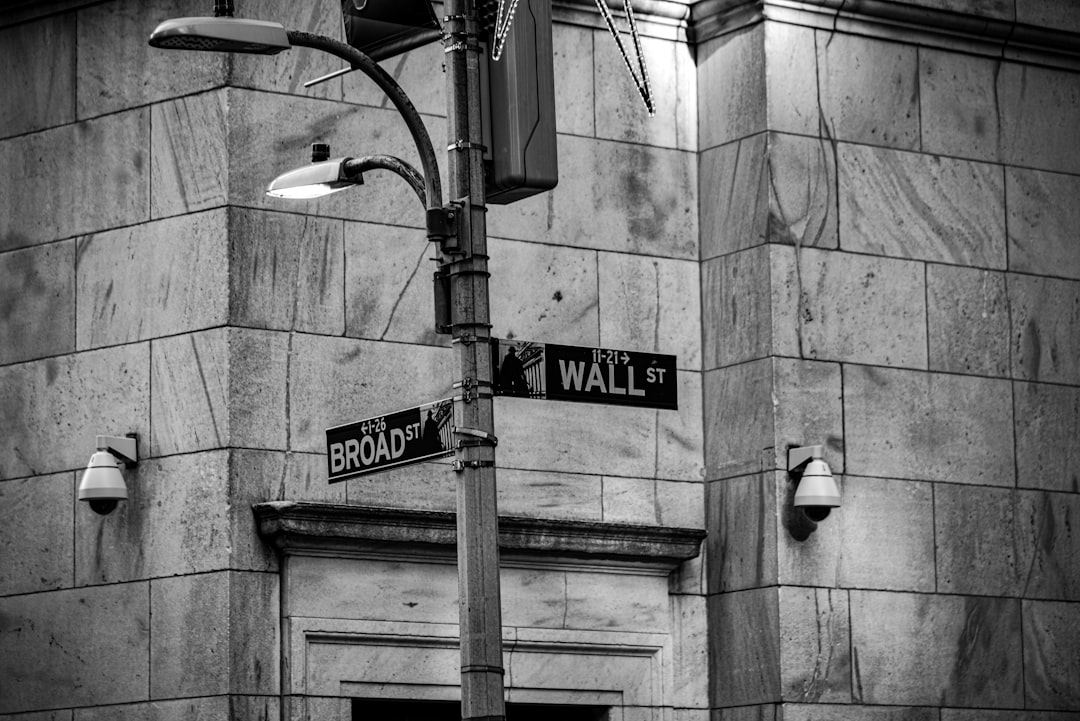
Tickertape machines also became visual symbols of market activity. Long strands of discarded paper often piled up on trading floors, signaling high levels of trading activity.
Limitations of the Tickertape System
Although revolutionary for its time, tickertape had limitations:
- Transmission Delays: High trading volumes could overwhelm the system.
- Mechanical Breakdowns: Machines required frequent maintenance.
- Limited Data: The tape showed only basic trade information.
- Physical Constraints: Paper rolls needed constant replacement.
During periods of extreme market volatility, such as the stock market crash of 1929, ticker machines fell hours behind actual trading activity. Investors relying solely on the tape might not have seen updated prices until long after trades were executed.
The Transition to Electronic Systems
By the mid-20th century, advances in computing and telecommunications began replacing mechanical ticker machines. Electronic displays eventually eliminated the need for physical paper tape.
In the 1960s and 1970s, computerized systems enabled faster and more comprehensive dissemination of market data. By the 1990s, internet-based platforms allowed investors to access real-time prices directly from personal computers.
Today’s stock tickers—seen on financial news channels and trading apps—are digital descendants of the original tickertape.

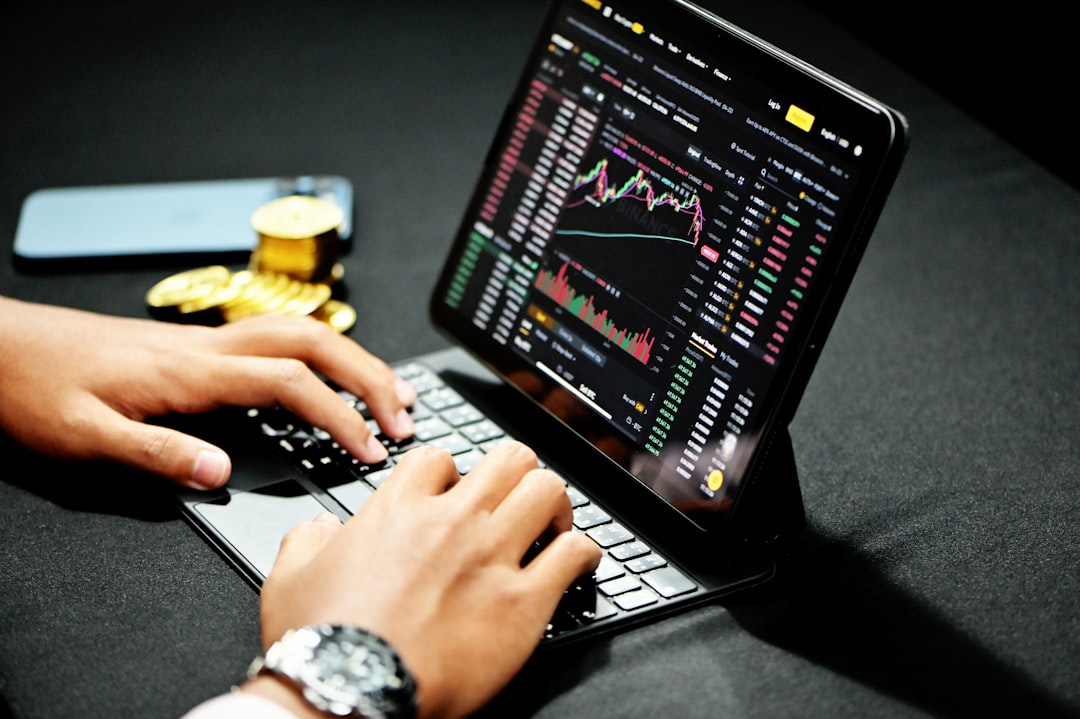
Instead of paper strips, information now scrolls across LED screens or appears in interactive dashboards. Prices update instantly, and investors can analyze charts, volumes, and historical data with a few clicks.
Tickertape in Popular Culture
Despite its technological obsolescence, tickertape left a cultural legacy. The term “ticker tape parade” originated in New York City in the late 19th century. During celebrations, office workers would throw discarded ticker tape from windows, creating a festive shower of paper strips.
Over time, ticker tape parades became associated with major public celebrations, such as military victories, championship sports wins, and astronaut homecomings. Although modern parades use confetti instead of financial paper strips, the name remains.
Modern Meaning of “Ticker”
While physical tickertape machines are museum pieces today, the word “ticker” still appears frequently in financial terminology.
In contemporary markets, “ticker” may refer to:
- Ticker Symbol: The unique abbreviation representing a publicly traded company.
- Stock Ticker Display: A scrolling digital list of stock prices.
- News Ticker: A scrolling banner of breaking headlines on television or websites.
The concept of continuously updating, bite-sized information streams traces directly back to 19th-century tickertape innovation.
The Technological Principles Behind Tickertape
From an engineering perspective, tickertape machines represented an early form of synchronized communication networks. Each machine on the network had to stay aligned with the central transmitter.
The devices worked using:
- Electromagnets that responded to electrical pulses
- Type wheels containing letters and numbers
- Clockwork mechanisms to ensure consistent printing intervals
If synchronization failed, the printed characters could become garbled. This required operators to constantly monitor and recalibrate the machines.
In many ways, tickertape systems were precursors to modern data feeds, operating as early distributed networks that broadcast standardized financial information.
Why Tickertape Still Matters
Understanding tickertape provides insight into the historical development of financial markets. It illustrates:
- How access to information shapes market efficiency
- The relationship between technology and investment strategy
- The origins of real-time financial reporting
Without tickertape technology, modern algorithmic trading platforms and high-frequency data systems might have evolved very differently. It marked the first time financial information was truly democratized beyond the physical walls of an exchange.
Although investors today rely on cloud computing, artificial intelligence, and global fiber-optic networks, the basic objective remains the same as it was in Calahan’s time: deliver accurate price information as quickly as possible.
Frequently Asked Questions (FAQ)
-
1. What was the main purpose of tickertape?
Tickertape was designed to transmit stock price information from exchanges to brokerage offices quickly and efficiently using telegraph lines. -
2. Why was it called “tickertape”?
The machine produced a ticking sound as it printed information onto narrow paper strips, which led to the name. -
3. Who invented the ticker machine?
Edward A. Calahan invented the first stock ticker machine in 1867, and Thomas Edison later improved its reliability and functionality. -
4. Is tickertape still used today?
Physical tickertape machines are no longer used in financial markets. They have been replaced by electronic and digital systems. -
5. What is a ticker symbol?
A ticker symbol is a short abbreviation used to uniquely identify a publicly traded company on a stock exchange. -
6. What is a ticker tape parade?
A ticker tape parade is a celebratory event where paper strips—originally discarded ticker tape—were thrown from buildings during public celebrations.
Tickertape may belong to a bygone mechanical era, but its influence continues to echo through digital markets worldwide. From telegraph wires to high-speed data streams, the evolution of financial communication owes much to the humble, ticking paper machine that started it all.