


A bathroom renovation can be one of the most rewarding home projects, but it is also one of the easiest to misjudge. Small rooms, plumbing locations, storage needs, lighting, tile choices, and fixture clearances all have to work together. For homeowners who want to explore ideas before hiring a contractor or buying materials, an AI bathroom design tool can make the planning process faster, clearer, and far less intimidating.
TLDR: For most homeowners, Planner 5D is the best overall AI bathroom design tool because it combines beginner-friendly controls, 2D and 3D planning, AI-assisted layout features, and realistic visualization. Homeowners who only want quick style inspiration may prefer tools such as Reimagine Home or RoomGPT, while those who want more detailed modeling may consider Homestyler or Foyr Neo. The best choice depends on whether the homeowner needs inspiration, layout planning, realistic rendering, or contractor-ready ideas.
Why AI Bathroom Design Tools Matter
Bathrooms are compact, expensive spaces where mistakes can quickly become costly. A vanity that is two inches too wide, a shower door that swings the wrong way, or a tile color that looks too dark under artificial light can create frustration after installation. AI design tools help homeowners test decisions before committing to them.
These tools can generate style concepts, suggest layouts, create realistic room previews, and help homeowners compare finishes. Instead of relying only on imagination or static mood boards, a homeowner can see how a modern walk-in shower, floating vanity, brass hardware, or patterned floor tile might look in an actual space.
The main value of AI is speed. A homeowner can explore several design directions in minutes rather than spending days collecting samples and searching inspiration photos. While these tools do not replace architects, interior designers, or licensed contractors, they can make conversations with professionals much more productive.
The Best Overall AI Bathroom Design Tool for Homeowners
Planner 5D stands out as the best overall AI bathroom design tool for homeowners because it offers a practical balance of usability, visualization, and planning depth. It is accessible enough for beginners but powerful enough to create meaningful bathroom plans.
Homeowners can work in both 2D floor plan view and 3D visualization mode, which is especially useful for bathrooms. A 2D plan helps with measurements, fixture placement, and traffic flow, while a 3D view helps users understand atmosphere, scale, and style. This combination is important because a bathroom must be both functional and attractive.
Planner 5D also includes AI-powered features that can assist with room recognition, layout creation, and design visualization. A homeowner can experiment with wall colors, flooring, vanities, mirrors, lighting, and décor without needing professional drafting experience. The tool makes it easier to compare a minimalist spa bathroom with a traditional marble design or a bold contemporary powder room.

What Makes Planner 5D a Strong Choice
- Beginner-friendly interface: Homeowners do not need technical design experience to start creating a bathroom layout.
- 2D and 3D planning: Users can check measurements and then view the space in a more realistic format.
- Large item catalog: Vanities, showers, tubs, toilets, lighting, mirrors, and accessories can be added to the design.
- AI assistance: Automated features help speed up room creation and visualization.
- Useful for early renovation planning: The tool helps homeowners clarify what they want before speaking with contractors or designers.
Another advantage is flexibility. Some AI tools focus almost entirely on generating attractive concept images, but they may not help much with spacing or layout. Planner 5D gives homeowners more control over the actual room structure. This matters in bathrooms because plumbing locations, door swings, shower dimensions, and storage zones are just as important as tile and paint colors.
Where Planner 5D May Not Be Perfect
No AI bathroom design tool is perfect. Planner 5D is excellent for planning and visualization, but homeowners should not treat it as a substitute for professional construction documents. It may help illustrate where a bathtub or vanity could go, but a contractor or plumber still needs to confirm what is possible based on plumbing, drainage, ventilation, electrical codes, and local building regulations.
Some homeowners may also find that highly realistic rendering requires extra time, upgrades, or learning. For quick inspiration, a simpler image-based AI tool may feel faster. However, for a homeowner who wants both creative ideas and a usable room plan, Planner 5D remains one of the strongest choices.
Best Alternatives for Different Homeowner Needs
Although Planner 5D is the best overall option, other AI bathroom design tools may be better for specific goals. The right choice depends on how the homeowner prefers to work.
Reimagine Home: Best for Quick Style Inspiration
Reimagine Home is well suited for homeowners who want fast visual concepts. A user can upload a photo of an existing bathroom and generate different styles, colors, and finishes. This is helpful for deciding whether a space should feel modern, coastal, farmhouse, Scandinavian, luxurious, or traditional.
Its biggest strength is speed. Homeowners can see dramatic style changes without building a full floor plan. However, it is generally less useful for precise layout planning. It works best during the early inspiration phase, when the homeowner wants to answer questions such as, “Would dark tile make this bathroom feel too small?” or “Would a warm wood vanity soften the space?”
RoomGPT: Best for Simple Concept Images
RoomGPT is another easy option for generating design ideas from room photos. It is simple, fast, and appealing for homeowners who do not want to spend much time learning software. For a bathroom refresh, it can provide quick visual directions and help identify styles worth exploring further.
The limitation is that concept images may not always reflect exact measurements or real-world installation details. A generated image may show a beautiful shower niche, window placement, or freestanding tub that is not practical in the actual room. For this reason, RoomGPT is best used as an inspiration tool rather than a technical planning tool.
Homestyler: Best for More Detailed 3D Visualization
Homestyler is a strong option for homeowners who want polished 3D designs and are comfortable spending more time learning the platform. It supports detailed interiors, product placement, and realistic room views. For bathrooms with more complex design needs, it can be a helpful choice.
Homestyler may feel more advanced than some casual AI tools, but it rewards patience. Homeowners who want to compare tile combinations, lighting effects, and furniture-like vanity styles may appreciate its visual capabilities.
Foyr Neo: Best for High-Quality Interior Design Presentations
Foyr Neo is often used by design professionals, but ambitious homeowners may also find it useful. It can create attractive renderings and detailed interior concepts. For major bathroom remodels, especially primary bathrooms with custom cabinetry, large showers, or luxury finishes, it can help present ideas clearly.
However, it may be more than the average homeowner needs for a small powder room or simple update. Its strengths are most valuable when presentation quality and detailed room styling are priorities.

Key Features Homeowners Should Look For
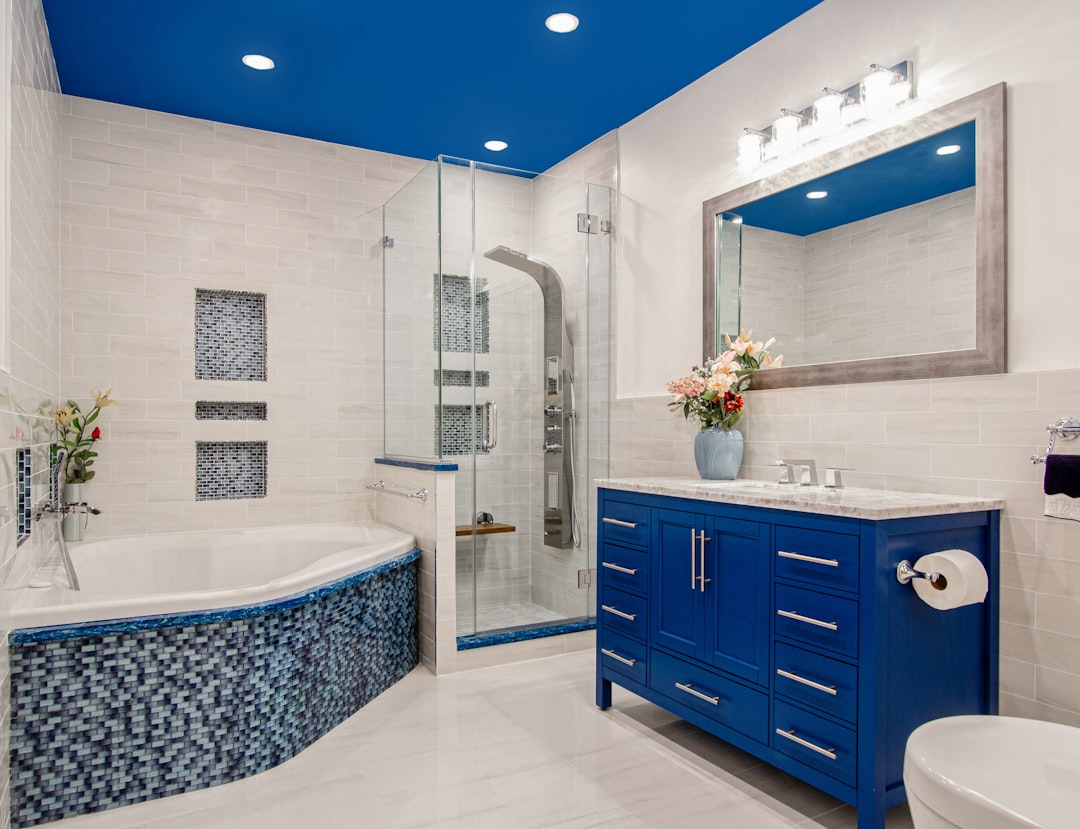
When choosing an AI bathroom design tool, homeowners should focus on practical features rather than novelty. A beautiful generated image is useful, but a successful bathroom remodel depends on accurate planning.
- Photo upload: This allows the tool to redesign an existing bathroom rather than starting from a blank space.
- Measurement support: Accurate room dimensions make ideas more realistic.
- Fixture placement: The tool should allow toilets, tubs, showers, and vanities to be positioned clearly.
- Style generation: AI should help create different looks, such as spa, modern, rustic, or classic.
- Material previews: Tile, wood, stone, paint, and metal finishes should be easy to compare.
- 3D viewing: A three-dimensional preview helps homeowners understand scale and comfort.
- Export or sharing options: Homeowners should be able to share images or plans with contractors, designers, or family members.
How Homeowners Can Use AI Bathroom Design Tools Effectively
The best results come from using AI as a planning assistant, not as the final authority. A homeowner should begin by measuring the bathroom carefully, including wall lengths, ceiling height, window locations, door swings, plumbing fixtures, outlets, vents, and any awkward corners.
Next, the homeowner can upload photos or create a floor plan in the chosen tool. Several design versions should be generated, including conservative updates and more dramatic transformations. This helps reveal which features are truly important. For example, a homeowner may begin with dreams of a freestanding tub but realize that a larger walk-in shower and extra storage would serve the household better.
After narrowing the design direction, the homeowner should review the plan with a contractor, plumber, electrician, or interior designer. AI can suggest a layout, but professionals can confirm whether it is safe, code-compliant, and financially realistic.
Important Limitations to Remember
AI bathroom design tools can produce impressive visuals, but homeowners should remain cautious. Generated designs may show fixtures that are not available locally, tile patterns that would be expensive to install, or layouts that ignore plumbing constraints. Some images may also distort scale, making a small bathroom appear larger than it really is.
Ventilation, waterproofing, electrical safety, and drainage are especially important in bathrooms. AI tools usually do not evaluate these technical requirements in full. A stylish design is only successful if it can survive moisture, daily use, and building inspections.
Budget is another key issue. AI may generate luxury materials, custom glass, wall-mounted toilets, or complex lighting without showing the true cost. Homeowners should use these visuals as inspiration and then price materials carefully before committing.

Final Verdict
For the average homeowner, Planner 5D is the best AI bathroom design tool overall. It provides a strong mix of layout planning, 3D visualization, AI support, and ease of use. It is especially valuable for homeowners who want to move beyond inspiration images and start thinking seriously about how the bathroom will function.
That said, the best tool depends on the project stage. Reimagine Home and RoomGPT are excellent for quick ideas and style exploration. Homestyler is useful for more detailed 3D visuals, while Foyr Neo is better suited for polished presentations and more advanced room design. For most homeowners starting a bathroom remodel, the smartest approach is to use an AI tool to explore possibilities, then involve professionals before construction begins.
FAQ
What is the best AI bathroom design tool for homeowners?
Planner 5D is the best overall choice for most homeowners because it offers 2D planning, 3D visualization, AI-assisted features, and an easy learning curve.
Can AI design a bathroom from a photo?
Yes. Several AI tools allow homeowners to upload a bathroom photo and generate new design concepts. These tools are especially useful for testing colors, styles, materials, and décor ideas.
Are AI bathroom designs accurate?
AI bathroom designs can be visually helpful, but they are not always technically accurate. Measurements, plumbing, ventilation, electrical work, and building codes should always be checked by professionals.
Can homeowners use AI bathroom designs with contractors?
Yes. AI-generated images and layouts can help contractors understand the homeowner’s preferences. However, contractors will still need to verify feasibility, costs, and installation requirements.
Is an AI bathroom design tool worth using for a small bathroom?
Yes. AI tools can be especially useful for small bathrooms because they help test storage ideas, shower layouts, color schemes, and space-saving fixtures before any renovation work begins.
Does AI replace an interior designer?
No. AI can support the design process, but it does not replace the experience, technical knowledge, and project management skills of an interior designer or renovation professional.
Which AI tool is best for quick bathroom inspiration?
Reimagine Home and RoomGPT are strong choices for quick inspiration because they can generate visual ideas from existing room photos with minimal effort.
What should homeowners do before using an AI bathroom design tool?
Homeowners should measure the bathroom, take clear photos, define a budget, list must-have features, and note any plumbing or electrical constraints before creating AI design concepts.