

In today’s fast-paced digital world, seamless communication across platforms is vital for designers and developers. Whether collaborating on a UI in Figma, troubleshooting code, or simply managing tasks across distributed teams, having a consistent, reliable messaging experience on any device is essential. Enter cross-device chat apps—solutions built to make conversations feel continuous, regardless of whether you’re on a phone, tablet, laptop, or browser.
TLDR:
Designers and developers need chat apps that work seamlessly across desktop, mobile, and web without losing features or context. This article covers the top 7 apps that maintain full functionality across all platforms. These tools not only support efficient collaboration but also maintain high performance and flexible integrations. Whether you’re prototyping or debugging, there’s an app here designed to fit your workflow.
1. Slack
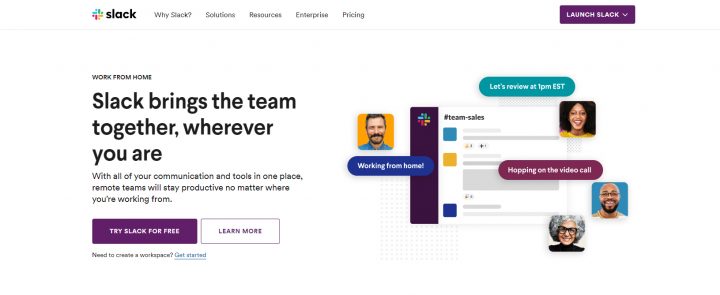
Slack remains one of the leading platforms for work-related chat across devices. With its strong emphasis on team collaboration, Slack offers full feature parity whether you’re using it on macOS, Windows, Linux, iOS, Android, or within your browser. Messages sync in real time, file uploads retain consistency, and integrations work uniformly across platforms.
- Best For: Teams needing robust integration with tools like GitHub, Figma, and Trello.
- Standout Feature: Slack Connect allows for cross-organization communication without losing privacy controls.
Slack’s user interface is intuitive and optimized for multitasking—critical for designers frequently switching contexts or developers managing multiple projects concurrently.

2. Discord
Originally developed for gamers, Discord has evolved into a powerful community and workplace chat tool with rich audio and video support. It excels in syncing across devices with no feature gaps, offering persistent chat channels, screen sharing, and voice rooms no matter which device is used.
- Best For: Tight-knit development teams needing voice interactions alongside chat.
- Standout Feature: Multiple servers and channel-based organization empower both focus and flexibility.
Discord’s ability to maintain session continuity is ideal for teams that jump between home, office, and coffee shop workflows. Thanks to its robust mobile apps, even live debugging conversations are a breeze on the go.
3. Microsoft Teams
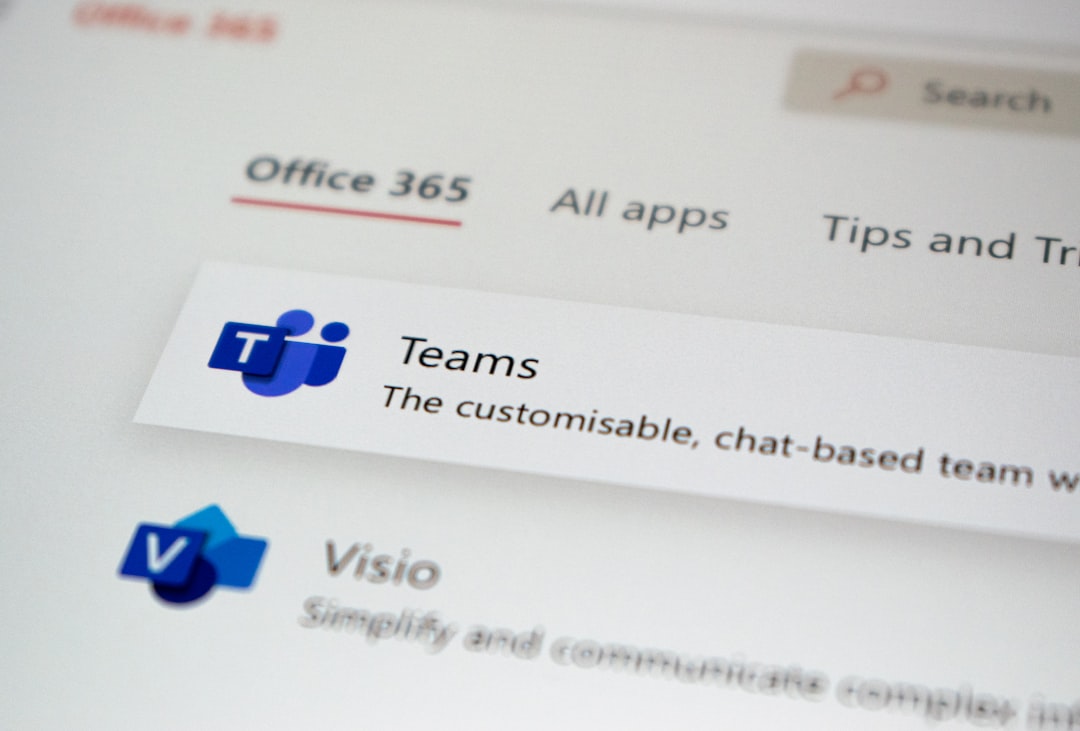
Integrated deeply within the Microsoft 365 ecosystem, Microsoft Teams is a major player in enterprise and large-scale projects. It offers chat, video calls, and integrated productivity tools across all devices, assuring zero feature degradation when switching between desktop and mobile versions.
- Best For: Enterprise teams and agencies heavily reliant on Office apps and SharePoint.
- Standout Feature: Deep integration with Microsoft services, offering collaborative editing in real time.
Designers and developers get real-time document collaboration, a seamless connection with task boards, and a full-featured chat that works identically whether on a browser or mobile app.
4. Telegram
Telegram is a cloud-native messaging platform that provides consistently high performance and feature access across platforms—including unusual operating systems like Linux or non-standard browsers. Telegram syncs instantly with no data loss, irrespective of device.
- Best For: Decentralized teams prioritizing speed, security, and mobile-first access.
- Standout Feature: Unlimited file sharing with up to 2GB per file.
Its desktop app provides the same sticker, media, and custom setting support that mobile apps have, making it suitable for teams that mix formal collaboration with informal brainstorming or prototyping feedback.
5. Element (formerly Riot)
Element is an open-source chat solution built on the Matrix protocol. It offers full encryption and end-to-end syncing for teams with strong privacy requirements. Every device used gains complete access to rooms, messages, media, and even bots or bridges linked to other platforms.
- Best For: Teams that prioritize open-source solutions or want private self-hosted chat.
- Standout Feature: Federation across Matrix-compatible services and encrypted chat sync.
Ideal for developers focused on decentralization, its consistent experience on all platforms supports continuous, secure collaboration. No features are dropped moving between mobile and desktop.


6. Signal
Signal isn’t just for personal privacy; its reliability and consistency across devices make it a viable tool for indie dev teams and designers who work in confidential environments. Though limited in integrations, its clean UI and robust end-to-end encryption add peace of mind.
- Best For: Security-focused design or dev teams.
- Standout Feature: One of the most secure messaging apps with consistent device sync.
Signal offers voice, video, and data sync effortlessly, allowing you to pick up conversations wherever you are. For people working in regulated industries, this is one of the best secure chat options.
7. Twist
Twist breaks away from the real-time nature of chat and focuses on asynchronous conversations—a breath of fresh air for remote and international teams. Available on all platforms with full feature parity, Twist ensures that no features are lost when transitioning between devices.
- Best For: Asynchronous work and remote-first design agencies.
- Standout Feature: Threaded conversations that reduce notification noise and improve focus.
Developers juggling multiple time zones and designers working independently will appreciate how Twist cuts down on clutter. Full desktop and mobile feature support ensures you get the same control whether you’re reviewing wireframes on iPad or giving feedback from a desktop.
Why Cross-Device Compatibility Matters
For design and development professionals, constant mobility is the new norm. Whether they’re working remotely, joining meetings from public spaces, or jumping between test devices, the ability to communicate reliably without retraining or adapting to different UI limitations is critical.
These top 7 chat apps score high because:
- They maintain feature parity across all platforms.
- They support real-time and/or asynchronous workflows.
- They sync messages, files, and integrations without data loss.
- They’re built ergonomically to support developers and designers alike.
Using a strong, cross-device chat app helps teams save time switching tools and avoid friction in collaboration—whether fixing a bug or iterating on a product’s UI.
Conclusion
The modern digital workspace demands tools that adapt to users, not the other way around. From Slack’s integration-rich ecosystems to Twist’s minimalist asynchronous interface, designers and developers have a plethora of options to choose from.
No matter your team’s culture or platform of choice, one of these top 7 apps ensures communication stays smooth, secure, and synchronized—wherever you are.
FAQs
-
Q: Can designers and developers use different chat apps collaboratively?
A: Yes, especially with platforms like Element or Slack Connect that support integrations and bridges. However, unified tools are often more effective for synergy. -
Q: Which app is best for security?
A: Signal and Element offer the highest privacy standards with end-to-end encryption. -
Q: Do these apps work offline?
A: Most apps like Slack and Telegram offer limited offline support, storing unsent messages until a connection is re-established. -
Q: Can screen sharing be done on mobile?
A: Apps like Discord and Microsoft Teams support screen sharing on both desktop and mobile devices. -
Q: Are these apps free?
A: Many of them offer free tiers with optional premium upgrades. Telegram, Signal, and Discord are free for most basic use cases.