


Artificial intelligence has rapidly transformed the way we create content, and one of the most impressive breakthroughs is AI voice cloning. What once required professional voice actors and expensive studio time can now be achieved with free tools that replicate human voices with startling realism. Today’s best platforms use advanced neural networks to analyze tone, pitch, cadence, and emotion—producing synthetic voices that sound up to 95% human. Whether you’re a content creator, marketer, educator, or developer, free AI voice cloning tools are opening new doors for scalable audio production.
TLDR: AI voice cloning tools have become incredibly realistic and accessible, with several platforms offering high-quality results for free. In this guide, we explore five of the best free AI voice cloning tools that sound almost human, highlighting their strengths, limitations, and ideal use cases. We also include a comparison chart to help you quickly choose the right platform. If you want realistic AI-generated voices without spending money, these tools are the best place to start.
What Makes an AI Voice Sound 95% Human?
Before diving into the tools, it’s important to understand what separates robotic audio from near-human speech. The best voice cloning platforms excel in:
- Natural intonation – Speech flows smoothly rather than sounding flat.
- Emotional variation – The voice adapts to context, adding feeling where appropriate.
- Cadence and pacing – Natural pauses and rhythm improve realism.
- Accurate phoneme rendering – Words are pronounced correctly without distortion.
- Minimal latency – Faster processing for real-time or near-real-time output.

Modern AI models are trained on vast datasets containing thousands of hours of speech. Instead of stitching audio samples together (as older text-to-speech systems did), these tools use deep learning architectures like transformer models and diffusion-based synthesis to generate speech dynamically. The result? Voices that are warm, expressive, and astonishingly realistic.
Top 5 Free AI Voice Cloning Tools
1. ElevenLabs (Free Tier)
ElevenLabs has become one of the most recognizable names in AI voice technology—and for good reason. Its free tier allows limited voice generation and cloning, but the quality rivals many paid platforms.
Why it stands out:
- Highly natural voice inflection
- Excellent emotional depth
- Fast processing times
- Multilingual support
You can upload a short audio sample and create a cloned voice with impressive fidelity. Content creators often use ElevenLabs for YouTube narration, audiobooks, and podcast production.
Best for: Professional-quality narration and storytelling.
Limitation: Free usage credits are limited per month.
2. PlayHT (Free Plan)
PlayHT offers a solid free plan with access to realistic text-to-speech and limited cloning features. Its interface is beginner-friendly, making it ideal for those new to voice synthesis.
Key features:
- Wide selection of prebuilt AI voices
- Voice style controls
- Downloadable MP3 and WAV files
- API access for developers
One standout feature is the ability to fine-tune speech speed and emphasis, helping users generate more authentic results.
Best for: Marketers, bloggers, and social media creators.
Limitation: Advanced cloning options require upgrading.
3. Coqui TTS (Open Source)
For developers and tech-savvy users, Coqui TTS is a powerful open-source alternative. Unlike hosted tools, Coqui can run locally, giving users greater control and privacy.
What makes it special:
- Fully customizable models
- Local deployment capability
- No watermarking
- Strong developer community support

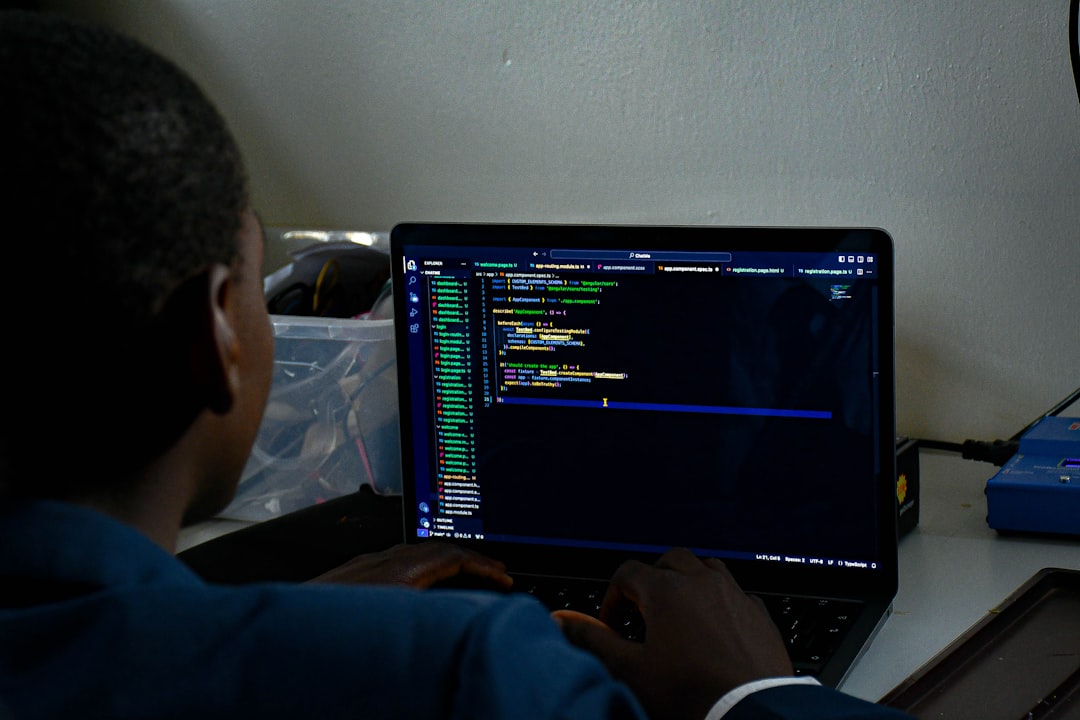
Coqui allows voice cloning from relatively small audio samples. While it requires some setup knowledge, the flexibility it offers is unmatched.
Best for: Developers, startups, and AI researchers.
Limitation: Setup process may be complex for beginners.
4. Resemble AI (Free Trial Version)
Resemble AI provides one of the most sophisticated voice cloning engines available, and its free version allows limited testing of its capabilities.
Top advantages:
- Emotion control sliders
- Real-time voice generation
- Rapid voice training
- API and integration options
One particularly impressive feature is emotional modulation—you can adjust whether the voice sounds happy, sad, serious, or excited.
Best for: Game developers and interactive experiences.
Limitation: Limited usage without upgrading.
5. Speechify (Free Version)
Speechify is primarily known as a text-to-speech reader, but its AI voices are remarkably natural. While full voice cloning features are more restricted, it’s still one of the best free ways to generate lifelike speech quickly.
Why users love it:
- Clean and intuitive interface
- Mobile and desktop compatibility
- Fast audio export
- Strong readability flow
Speechify shines in educational settings, turning blogs, PDFs, and documents into immersive audio experiences.
Best for: Students, educators, and blog-to-audio conversion.
Limitation: Limited true cloning capabilities compared to other platforms.
Comparison Chart
| Tool | Free Plan Available | Voice Cloning Quality | Ease of Use | Best For |
|---|---|---|---|---|
| ElevenLabs | Yes (limited credits) | Excellent (95%) | Very Easy | Narration, audiobooks |
| PlayHT | Yes | Very Good (90–95%) | Easy | Marketing content |
| Coqui TTS | Yes (Open source) | Excellent (varies by setup) | Moderate | Developers, startups |
| Resemble AI | Free trial | Excellent (95%) | Easy to Moderate | Games, apps |
| Speechify | Yes | Very Good (90%) | Very Easy | Education, blogs |
How to Choose the Right Tool for You
Choosing the right AI voice cloning platform depends on your specific goals. Ask yourself:
- Do you need emotional depth for storytelling?
- Are you developing an app that requires real-time responses?
- Do you prefer a plug-and-play solution or full customization?
- Is privacy and local processing important?
If you’re a YouTuber or podcaster, ElevenLabs might be your best bet. If you’re a developer building AI-powered applications, Coqui TTS offers unmatched flexibility. For quick marketing audio, PlayHT provides ease and speed.
Ethical Considerations of AI Voice Cloning
With great power comes great responsibility. AI voice cloning raises important ethical questions regarding:
- Consent from the original speaker
- Deepfake misuse
- Misinformation risks
- Identity protection
Most reputable platforms require explicit consent before cloning a voice. Always ensure you have legal permission when replicating someone’s speech. Ethical usage protects not only individuals but also the credibility of AI technology as a whole.
The Future of Free AI Voice Cloning
The pace of innovation suggests that quality will only improve. In the next few years, we can expect:
- Real-time multilingual voice translation
- Even stronger emotion modeling
- Lower data requirements for cloning
- Better deepfake detection tools
As competition increases, more platforms may expand their free tiers, making ultra-realistic voice synthesis widely accessible.
Final Thoughts
Free AI voice cloning tools have evolved from experimental novelties into professional-grade solutions. Platforms like ElevenLabs, PlayHT, Coqui TTS, Resemble AI, and Speechify demonstrate just how close synthetic speech has come to sounding indistinguishable from real humans.
Whether you’re narrating a book, building an app, launching a marketing campaign, or simply experimenting with AI, these tools provide a powerful starting point—at no cost. As technology continues to refine emotional nuance and natural cadence, the line between artificial and authentic voice will only grow thinner.
The future of voice is here—and it sounds almost human.