


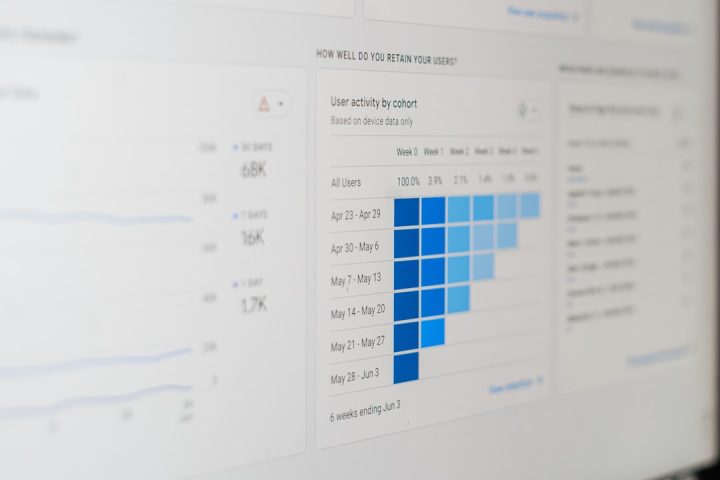
Modern digital marketing is no longer about pushing traffic toward a generic landing page and hoping for conversions. It is about guiding individual users through personalized journeys built on real behavioral data, predictive insights, and structured funnel optimization. Businesses that succeed today are those that combine robust analytics with smart automation, allowing them to respond to user behavior in real time and tailor messaging accordingly.
TL;DR: Personalized funnels driven by advanced analytics dramatically increase conversion rates by delivering the right message at the right time. Tools like HubSpot, Google Analytics 4, ActiveCampaign, and ClickFunnels provide powerful capabilities for tracking, segmentation, automation, and optimization. Each tool offers unique strengths depending on business size and complexity. Choosing the right platform—or combination—depends on your data maturity, integration ecosystem, and growth objectives.
Below are four of the most reliable and widely adopted tools for guiding conversions through personalized funnels and analytics, along with a clear breakdown of their strengths and ideal use cases.
1. HubSpot: Comprehensive Funnel Automation and CRM Intelligence
HubSpot has established itself as a leading all-in-one marketing, sales, and CRM platform. What makes it stand out is its ability to unify customer data, automate communication, and personalize content across the entire buyer journey.

Key Conversion-Focused Features:
- Smart Content Personalization: Dynamic website and email content based on lifecycle stage or behavior.
- Advanced Workflow Automation: Triggered email sequences built around user interactions.
- Integrated CRM: A 360-degree view of every contact’s engagement history.
- Attribution Reporting: Multi-touch revenue attribution to track true performance drivers.
HubSpot excels in environments where multiple teams—marketing, sales, and support—must align under one data ecosystem. Its funnel-building capabilities are enhanced by behavior-based triggers, making it ideal for nurturing mid- to high-value leads.
Best for: Mid-sized to enterprise businesses seeking deep automation tied directly to CRM data.
2. Google Analytics 4 (GA4): Advanced Behavioral Insights and Predictive Tracking
No personalized funnel can function effectively without reliable data. Google Analytics 4 represents a major shift from traditional analytics by focusing on event-based tracking and predictive modeling.
Unlike traditional session-based analytics, GA4 tracks individual events—scrolls, clicks, purchases, video views—making it easier to design micro-conversion funnels.
Key Conversion-Focused Features:
- Event-Based Tracking: Flexible setup for custom funnel mapping.
- Predictive Metrics: Purchase probability and churn likelihood modeling.
- Cross-Platform Tracking: Integrates web and app activity into unified reports.
- Advanced Audience Segmentation: Build audiences for remarketing based on deep behavior signals.
GA4 does not create funnels by itself; rather, it provides the foundational insight required to optimize them across other tools. When integrated with Google Ads, it allows highly personalized retargeting campaigns based on actual engagement patterns.
Best for: Organizations prioritizing detailed insight, data science-driven marketing, and cross-channel measurement.
3. ActiveCampaign: Behavioral Email Personalization at Scale
ActiveCampaign has built its reputation on advanced marketing automation combined with granular behavioral tracking. For businesses focused heavily on email-driven funnels, it is one of the most conversion-oriented tools available.


Key Conversion-Focused Features:
- Conditional Email Content: Messages change dynamically based on subscriber data.
- Behavioral Triggers: Abandoned cart reminders and post-engagement follow-ups.
- Lead Scoring: Automated prioritization of high-intent prospects.
- Split Automation Testing: A/B testing within automated sequences.
Where ActiveCampaign excels is in nurturing prospects through long sales cycles. Instead of simply sending newsletters, marketers can design branching logic paths that adapt based on every user click or non-action.
Best for: Small to mid-sized businesses aiming to maximize conversions through personalized email funnels without enterprise-level complexity.
4. ClickFunnels: Conversion-Optimized Funnel Building
ClickFunnels focuses heavily on one objective: converting visitors through structured landing pages and step-by-step funnels. Unlike broader marketing platforms, ClickFunnels is engineered specifically around conversion architecture.
Key Conversion-Focused Features:
- Pre-Built Funnel Templates: Designed for webinars, product launches, and membership sites.
- Built-In A/B Testing: Optimize headlines, CTAs, and page layout.
- One-Click Upsells: Increase average order value immediately post-purchase.
- Integrated Checkout Systems: Reduces friction during final conversion stages.
ClickFunnels enables rapid deployment of high-converting sales sequences without advanced coding or design knowledge. While it is less analytics-heavy than GA4 or HubSpot, it integrates with those platforms for deeper insight.
Best for: Entrepreneurs, ecommerce businesses, and marketers focused on rapid funnel deployment and direct-response conversion strategies.
Visualizing the Personalized Funnel Workflow
Understanding how these tools align within a funnel requires a clear view of the user journey—from awareness to purchase and retention.

- Acquisition: GA4 tracks source, campaign, and first engagement.
- Segmentation: Data feeds into HubSpot or ActiveCampaign for audience classification.
- Nurturing: Automated workflows deliver personalized content sequences.
- Conversion: ClickFunnels or optimized landing pages close the sale.
- Retention: CRM tools re-engage buyers through upsells and loyalty campaigns.
The more seamlessly these stages connect, the higher the conversion efficiency becomes.
Comparison Chart: Top 4 Tools for Personalized Funnel Optimization
| Tool | Primary Strength | Analytics Depth | Automation Level | Best For |
|---|---|---|---|---|
| HubSpot | CRM-integrated funnel automation | High | Very Advanced | Mid to large businesses |
| Google Analytics 4 | Behavioral data and predictive metrics | Very High | Low (analytics-focused) | Data-driven organizations |
| ActiveCampaign | Email personalization and lead scoring | Moderate to High | Advanced | Growing businesses and ecommerce |
| ClickFunnels | Structured funnel building | Moderate | Moderate | Entrepreneurs and online sellers |
How to Choose the Right Platform
Selecting the appropriate solution depends on three main factors:
- Data Complexity: If sophisticated segmentation and predictive modeling are priorities, GA4 combined with HubSpot offers the most robust framework.
- Funnel Speed: If time-to-launch matters more than deep reporting, ClickFunnels may provide immediate ROI.
- Email-Centric Strategy: Businesses relying heavily on email nurture campaigns will benefit from ActiveCampaign’s behavioral workflows.
In many cases, the optimal strategy involves combining platforms. For example, GA4 gathers granular behavior data, HubSpot manages CRM intelligence, and ClickFunnels handles transactional conversion pages.
The Strategic Advantage of Personalized Funnels
Personalized funnels do more than increase conversions—they improve customer experience. When users encounter relevant offers based on previous interactions, friction decreases and trust increases.
Data-backed personalization signals professionalism and customer awareness. Companies leveraging these tools effectively tend to see:
- Higher conversion rates
- Improved customer retention
- Greater lifetime customer value
- More accurate marketing attribution
However, implementation requires discipline. Tracking must be configured properly, automation logic must be thoroughly tested, and data integrity must be maintained. Without these safeguards, personalization attempts can become inconsistent.
Final Thoughts
The shift toward highly personalized marketing funnels is not optional—it is rapidly becoming a baseline expectation. Consumers expect relevance. Businesses that rely on generic messaging will struggle to maintain competitiveness.
HubSpot, Google Analytics 4, ActiveCampaign, and ClickFunnels each address a critical component of the personalized funnel ecosystem. Whether used independently or as part of an integrated stack, they provide organizations with the capability to transform raw behavioral data into structured, high-performing conversion journeys.
Investing in the right tool is not merely a technical decision; it is a strategic one. When analytics and personalization align properly, conversion optimization becomes systematic, measurable, and scalable—rather than experimental.