



Modern software development moves at an extraordinary pace, with teams deploying updates multiple times per day across web, mobile, and cloud environments. While rapid deployment increases innovation and responsiveness, it also raises the stakes for stability and performance. Release monitoring platforms like Rollbar have emerged as essential tools for tracking deployments, detecting errors in real time, and ensuring that new releases do not compromise the user experience.
TLDR: Release monitoring platforms such as Rollbar help development teams track deployments, detect errors in real time, and connect issues directly to specific releases. They provide visibility into code performance, improve incident response times, and reduce downtime. By integrating with CI/CD pipelines and collaboration tools, these platforms streamline troubleshooting and accountability. Ultimately, they enable teams to deploy faster without sacrificing reliability.
The Growing Complexity of Modern Deployments
Today’s applications are built using microservices, containerization, serverless infrastructure, and distributed teams. With code frequently pushed to production through automated CI/CD pipelines, the margin for unnoticed errors is slim. A minor bug introduced in a small feature release can quickly escalate into a system-wide issue affecting thousands of users.
Without a dedicated release monitoring solution, teams often struggle with:
- Limited visibility into which deployment caused a specific error
- Delayed detection of production issues
- Manual log analysis that slows root cause identification
- Poor communication between development and operations teams
Release monitoring platforms address these challenges by correlating errors with exact deployment versions, code changes, and environments.
What Is a Release Monitoring Platform?
A release monitoring platform is a tool designed to track software deployments and monitor application health in real time. Tools like Rollbar specialize in error tracking, exception reporting, and issue aggregation. They collect data from live environments, group similar errors, and provide actionable insights for developers.

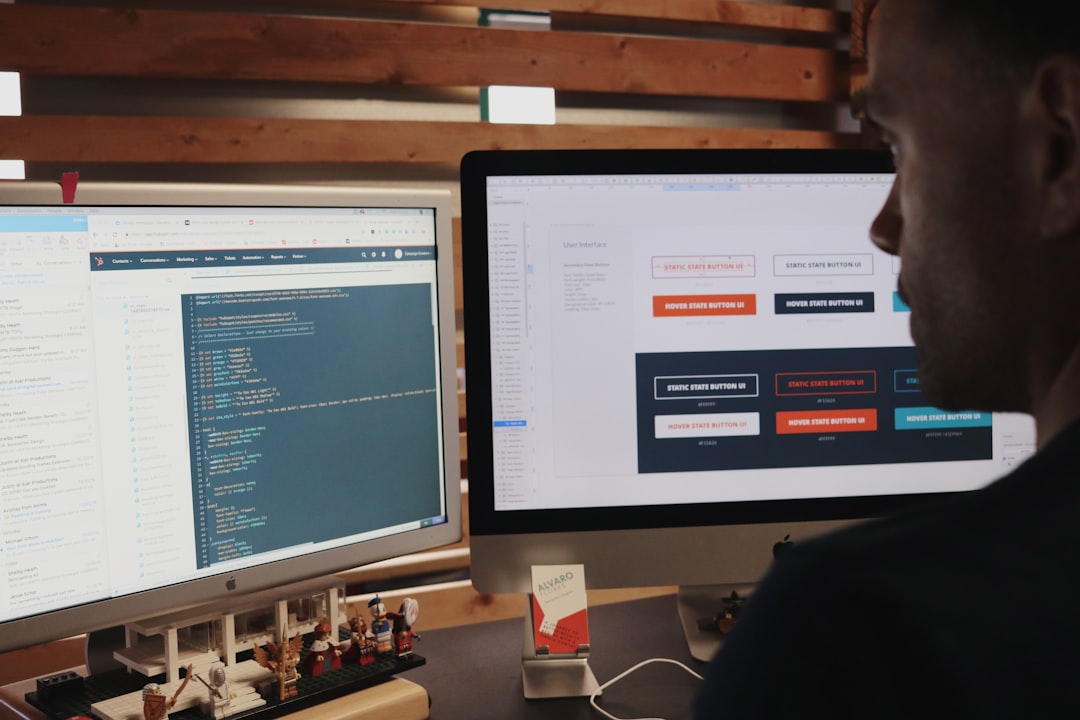
At its core, a release monitoring platform performs three essential functions:
- Error Detection: Captures runtime exceptions and application crashes.
- Release Tracking: Maps errors to specific deployments or code versions.
- Alerting and Reporting: Notifies teams instantly when critical issues arise.
This combination enables teams to move from reactive troubleshooting to proactive performance management.
How Rollbar Enhances Deployment Visibility
Rollbar exemplifies modern release monitoring by focusing on real-time error intelligence. When a deployment occurs, the platform tags it with a version identifier. As users interact with the updated application, Rollbar monitors performance and immediately flags anomalies tied to that release.
Rather than presenting developers with thousands of duplicate error logs, Rollbar groups occurrences intelligently. This reduces noise and allows teams to prioritize fixes based on severity and user impact.
Key features typically include:
- Real-time error reporting across multiple environments
- Automated grouping of similar issues
- Source code integration for quick debugging
- Deployment tracking dashboards for visibility
- Custom alert rules based on thresholds and conditions
This comprehensive insight shortens the feedback loop between deployment and resolution.
The Role of CI/CD Integration
Continuous Integration and Continuous Deployment pipelines are fundamental to modern development. Release monitoring platforms integrate directly into these workflows, automatically recording each deployment event.
Once a new version goes live, the monitoring system begins tracking metrics such as error rates, response times, and user sessions. If anomalies spike immediately after deployment, teams can quickly identify the likely cause.

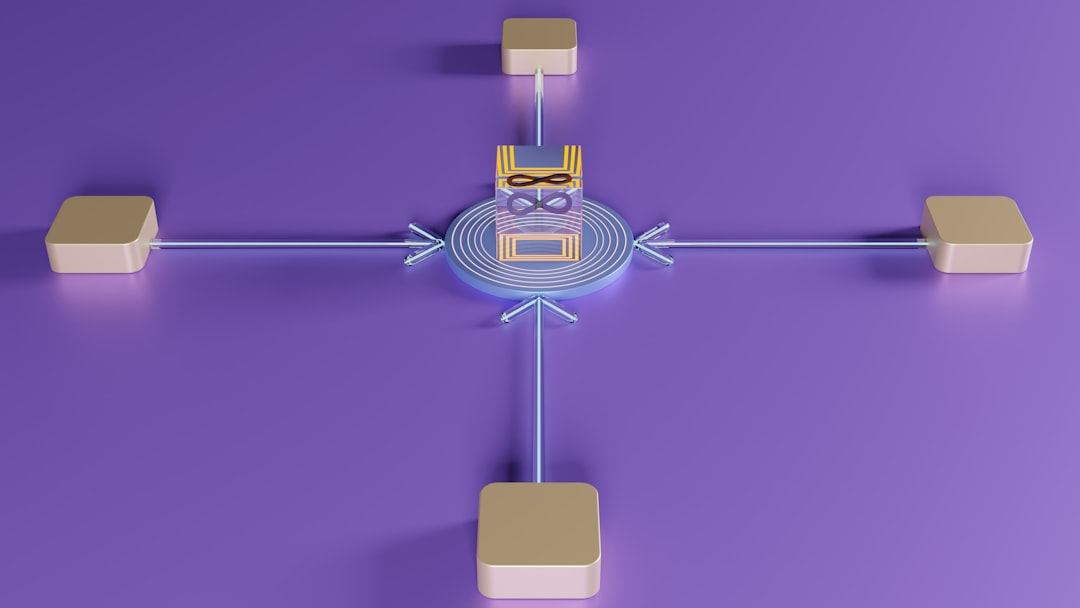
This tight integration offers significant benefits:
- Immediate feedback after code release
- Clear correlation between commits and incidents
- Reduced mean time to detection (MTTD)
- Faster rollback decisions when necessary
By automatically linking deployment metadata with runtime performance, monitoring platforms transform guesswork into data-driven decision-making.
Improving Incident Response and Accountability
When an application fails in production, speed is critical. The longer an issue persists, the greater the potential revenue loss and reputational damage. Release monitoring systems streamline response workflows by sending alerts via email, Slack, or other collaboration platforms the moment an issue exceeds predefined thresholds.
Developers receive contextual data including:
- Stack traces
- Environment details
- User impact metrics
- Release version identifiers
This rich context allows engineers to identify whether a problem originated in the latest deployment or from a legacy issue.
Moreover, release tracking enhances accountability. Teams can trace errors back to specific code changes, making it easier to assign responsibility and implement permanent fixes. Instead of vague discussions about “recent changes,” teams rely on precise data.
Reducing Downtime and Protecting User Experience
User expectations for stability are higher than ever. Even minor disruptions can drive customers to competitors. Release monitoring platforms serve as an early warning system, detecting subtle performance regressions before they escalate.
For example, an e-commerce platform deploying a checkout update might experience an unexpected spike in payment errors. With monitoring in place, the development team can:
- Immediately identify the faulty release.
- Analyze error patterns and affected users.
- Deploy a hotfix or rollback.
Without such visibility, the problem could go undetected for hours or days, resulting in lost transactions and customer frustration.

By minimizing downtime, these platforms directly contribute to improved customer retention and brand trust.
Scalability Across Teams and Environments
As organizations scale, managing multiple applications across different environments becomes increasingly complex. A single company may operate development, staging, and production environments simultaneously. Release monitoring platforms centralize visibility across all these layers.
This centralized approach ensures:
- Consistency in monitoring standards
- Uniform alert policies
- Cross-team collaboration
- Scalable error management
Additionally, enterprises benefit from role-based access controls and reporting tools that keep stakeholders informed without overwhelming them with technical details.
Data-Driven Continuous Improvement
Release monitoring is not only about fixing problems; it also supports long-term improvement. By analyzing historical deployment data, teams can identify patterns in recurring issues, fragile components, or risky release windows.
Metrics such as:
- Error frequency per release
- Average resolution time
- Deployment success rates
- User impact percentages
enable teams to refine testing strategies and deployment processes. Over time, this leads to more stable releases and greater confidence in shipping new features.
Key Considerations When Choosing a Platform
While Rollbar is a well-known example, organizations evaluating release monitoring tools should consider several criteria:
- Language and framework support compatible with their tech stack
- Real-time processing capabilities
- Customizable alert thresholds
- Integration options with DevOps tools
- Security and compliance standards
Choosing a platform that scales with organizational growth ensures long-term value.
The Strategic Advantage of Release Monitoring
Rapid deployment without monitoring introduces significant operational risk. Conversely, deploying with full visibility enables innovation while maintaining control. Release monitoring platforms provide the required safety net, allowing teams to experiment, iterate, and improve without compromising reliability.
By connecting deployments directly to performance outcomes, these tools bridge the gap between development speed and operational stability. In an age where digital experiences define brand perception, that balance is invaluable.
Frequently Asked Questions (FAQ)
1. What is the difference between error tracking and release monitoring?
Error tracking focuses on identifying and logging application errors. Release monitoring goes a step further by linking those errors to specific deployments, helping teams understand which release introduced the issue.
2. How does Rollbar detect issues in real time?
Rollbar integrates with applications through SDKs and APIs, capturing runtime exceptions and sending them immediately to its dashboard for analysis and alerting.
3. Can release monitoring platforms integrate with CI/CD pipelines?
Yes. Most modern platforms integrate directly with CI/CD systems, automatically recording deployment events and mapping errors to specific versions.
4. Do small teams need release monitoring tools?
Even small teams benefit from monitoring, especially if they deploy frequently. Early detection prevents minor bugs from evolving into larger issues.
5. Are these platforms suitable for mobile applications?
Yes. Many release monitoring tools support web, mobile, backend, and serverless applications, providing unified visibility across platforms.
6. How do monitoring platforms reduce downtime?
They detect issues immediately, notify relevant team members, and provide context for rapid troubleshooting, enabling quick fixes or rollbacks.
Release monitoring platforms like Rollbar have become indispensable in modern DevOps environments. By combining deployment tracking with intelligent error analysis, they empower teams to move fast, fix issues efficiently, and deliver reliable software experiences in an increasingly competitive digital landscape.