
Promote each podcast episode as a campaign, not a one-time upload. Publish it, cut it into smaller assets, optimize it for search, email it to your list, and ask the right partners to share it. That simple system gives every episode more chances to be discovered, saved, clicked, and replayed.
TLDR: A strong podcast promotion plan combines social media, SEO, email marketing, partnerships, and content repurposing into one repeatable workflow. For example, a 40-minute interview can become 3 short videos, 5 quote posts, 1 blog article, 1 newsletter, and 10 partner share assets. If your current episode gets 500 downloads, even a modest 20% lift from better promotion means 100 extra listeners per release. Over 20 episodes, that is 2,000 additional plays without changing your recording schedule.
1. Build a Promotion Plan Before the Episode Goes Live
The best podcast promotion starts before publishing day. Do not wait until the episode is live and then scramble for a caption. That is how good episodes vanish into the feed.
Before release, prepare these items:
- Main episode angle: What is the strongest promise or takeaway?
- Target listener: Who would care enough to click?
- Guest assets: Headshot, bio, links, and preferred social handles.
- Search terms: Topics people might type into Google or podcast apps.
- Repurposed content: Clips, quotes, blog sections, and email copy.
Honestly, it feels like many podcast tools still make this harder than it should be. Exporting a clean clip can take seven clicks when it should take two. Still, the work pays off if you build a reusable checklist.
2. Use Social Media to Create Curiosity, Not Just Announcements
Posting “new episode out now” is not enough. Most people will scroll past it. Social media works better when you sell the moment, not the episode.
Turn each episode into several post types:
- Short video clips: Use the best 20 to 60 seconds. Add captions. Start with a strong statement.
- Quote graphics: Pull sharp lines from the guest or host.
- Carousel posts: Break one lesson into 5 to 7 slides.
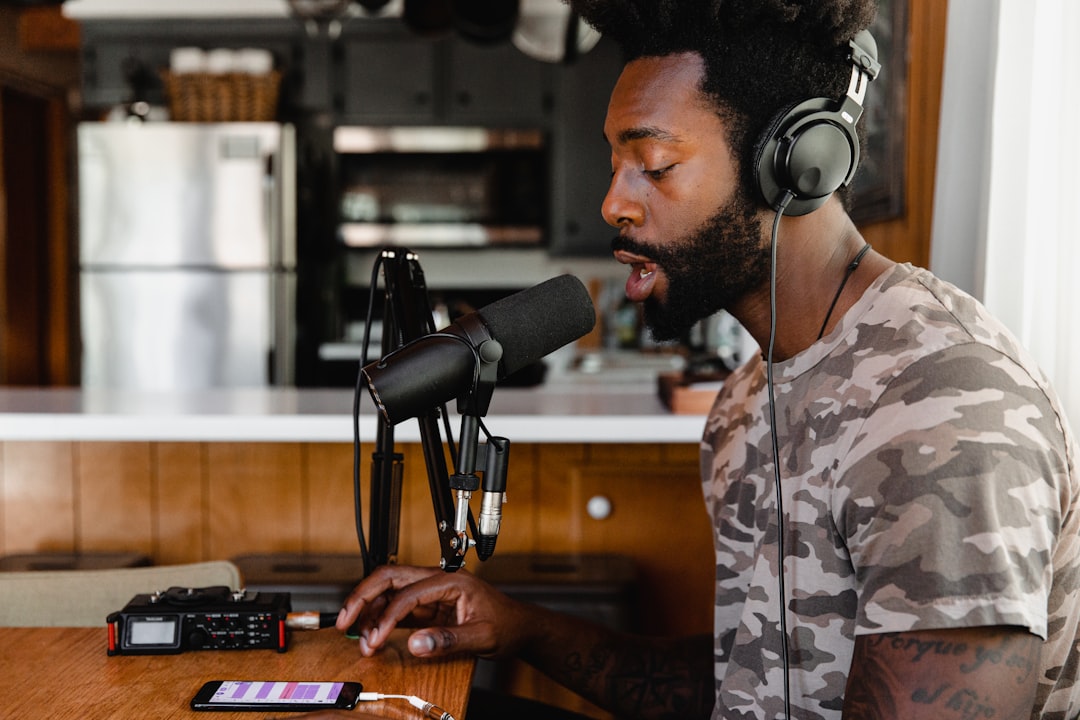
- Behind-the-scenes posts: Show your recording setup, notes, or bloopers.
- Polls and questions: Ask your audience what they think before sharing the episode link.
Each platform needs a slightly different approach. On TikTok, Instagram Reels, and YouTube Shorts, start fast. No slow intros. On LinkedIn, lead with the problem the episode solves. On X, use sharp takeaways and threads. On Facebook groups, add context and avoid sounding like you are dumping a link.
A simple weekly social plan could look like this:
- Monday: Teaser clip from the episode.
- Tuesday: Text post with a controversial or useful idea.
- Wednesday: Episode release post with a direct link.
- Thursday: Quote graphic or carousel.
- Friday: Short clip with a question in the caption.
The goal is repetition without boredom. Say the same idea in five formats. People miss posts all the time. That is normal.
3. Use SEO So Episodes Keep Working After Launch Week
Social media gives quick spikes. SEO gives long-term discovery. If your podcast website has weak episode pages, you are probably losing easy traffic.
Every episode should have its own page with:
- A clear title: Include the guest name and topic when useful.
- A short summary: Explain what listeners will learn.
- Key takeaways: Use bullet points for easy scanning.
- Full transcript: Great for accessibility and search visibility.
- Internal links: Link to related episodes and blog posts.
- Guest links: Add official sites, books, or social profiles.
Do not stuff keywords. It sounds awful, and it rarely helps. Instead, phrase your headings around real questions. For example, use “How to price freelance design work” instead of “Freelance design pricing podcast episode.”
Podcast app SEO also matters. Your show title, episode titles, descriptions, and categories all affect discovery. Keep descriptions clear. Put the strongest words early. Many apps cut off text after a few lines.

4. Make Email Marketing Your Most Reliable Traffic Source
Email is still one of the best podcast promotion channels because you are not trapped by an algorithm. If someone joined your list, they already gave you permission to show up.
Send a short email for each new episode. Keep it useful. Do not just paste the show notes.
A strong episode email includes:
- Subject line: Lead with a benefit or question.
- Opening hook: Name the problem the episode solves.
- Three bullets: Share what listeners will learn.
- One clear button: Link to the episode page or preferred player.
- Bonus link: Add a clip, worksheet, article, or transcript.
Here is a quick example:
Subject: Why your podcast clips are not getting clicks
This week’s episode breaks down why short-form clips fail, even when the interview is great. You will hear how to choose stronger moments, write better captions, and test hooks without spending hours editing.
Segment your list when you can. New subscribers may need your best starter episodes. Long-time fans may want deeper content, bonus Q&As, or early access.
5. Grow Faster With Partnerships and Guest Promotion
Partnerships can add instant reach, but only if you make sharing easy. Guests are busy. Expect to waste time if you send them a vague “please share” message with no assets.
Instead, give each guest a simple promo kit:
- Three ready-to-post captions for different platforms.
- Two short video clips featuring their best moments.
- One quote graphic with their name and title.
- Direct links to Apple Podcasts, Spotify, YouTube, and your site.
- A suggested posting date so everyone shares during launch week.
You can also partner with newsletters, creators, communities, and other podcasters. Trade mentions. Swap guest spots. Run a joint live session. Recommend each other’s episodes when the audiences match.
The fit matters more than size. A partner with 3,000 loyal niche followers may beat a broad account with 50,000 passive followers.
6. Repurpose Every Episode Into Smaller Content Assets
Content repurposing turns one recording into a full marketing engine. This is where podcast promotion becomes easier over time.
Start with the full episode. Then create:
- A blog post based on the main topic.
- Short clips for Reels, Shorts, TikTok, and LinkedIn.
- Quote graphics for Instagram, LinkedIn, or Pinterest.
- An email newsletter with key lessons.
- A thread or carousel summarizing the best points.
- A downloadable checklist if the episode teaches a process.
Do not repurpose everything. Pick the strongest moments. A weak clip can hurt interest. A great clip can make someone play the full episode right away.

7. Track the Numbers That Actually Matter
Downloads matter, but they do not tell the full story. Track promotion by channel so you know what works.
Watch these metrics:
- Episode downloads: Compare first 24 hours, 7 days, and 30 days.
- Website traffic: See which sources send visitors.
- Email click rate: Aim to improve subject lines and buttons.
- Clip watch time: Strong clips usually hold attention past the first few seconds.
- Follower growth: Check if promotion attracts the right people.
- Subscriber growth: This is more valuable than one-time plays.
Create a simple dashboard. Nothing fancy. A spreadsheet is fine. Track each episode title, guest, topic, publish date, downloads, email clicks, best social post, and partner shares.
8. Build a Repeatable Podcast Promotion Workflow
The best system is one you can repeat without burning out. Set a weekly rhythm and protect it.
- Record: Capture clean audio and mark strong moments.
- Edit: Prepare the episode and pull clips.
- Optimize: Write SEO-friendly titles, notes, and transcript sections.
- Schedule: Queue social posts and email.
- Share: Send partner and guest promo kits.
- Measure: Review results after 7 and 30 days.
Podcast growth rarely comes from one viral moment. It comes from steady visibility. Promote each episode in multiple places, in multiple formats, over multiple weeks. That is how a show becomes easier to find, easier to share, and much harder to ignore.