



Market research in 2026 looks very different from the survey-heavy, intuition-driven processes that dominated a decade ago. Businesses no longer rely on isolated reports or quarterly presentations to make major strategic decisions. Instead, they operate in a constantly updating ecosystem of real-time data, predictive analytics, behavioral insights, and human judgment. The shift is not simply technological; it is structural. Decision-making today is iterative, cross-functional, and deeply integrated into daily operations rather than confined to a single department.
TLDR: In 2026, market research is continuous rather than periodic, powered by real-time data, AI-driven analytics, and cross-functional collaboration. Businesses combine quantitative signals with qualitative context to reduce risk and accelerate decision-making. The most successful organizations treat research as a strategic infrastructure, not a one-time project. Technology guides decisions, but human judgment remains essential.
To understand how businesses actually make decisions today, it is necessary to examine five defining transformations: the rise of real-time data, AI-assisted analysis, integrated customer ecosystems, experimentation cultures, and governance frameworks for ethical data use.
1. Real-Time Data Has Replaced Static Reports
In the past, market research often meant commissioning a study, waiting weeks for analysis, and receiving a static report that summarized findings at a single point in time. In 2026, this approach is considered outdated for most competitive industries. Businesses now operate with live dashboards that integrate:
- Customer transaction data
- Digital behavior tracking
- Social sentiment analysis
- Market pricing shifts
- Competitor activity monitoring
These inputs update continuously, allowing decision-makers to detect shifts almost immediately. A pricing change in one region, for example, can be evaluated against sales velocity, customer sentiment, and inventory data within hours rather than weeks.

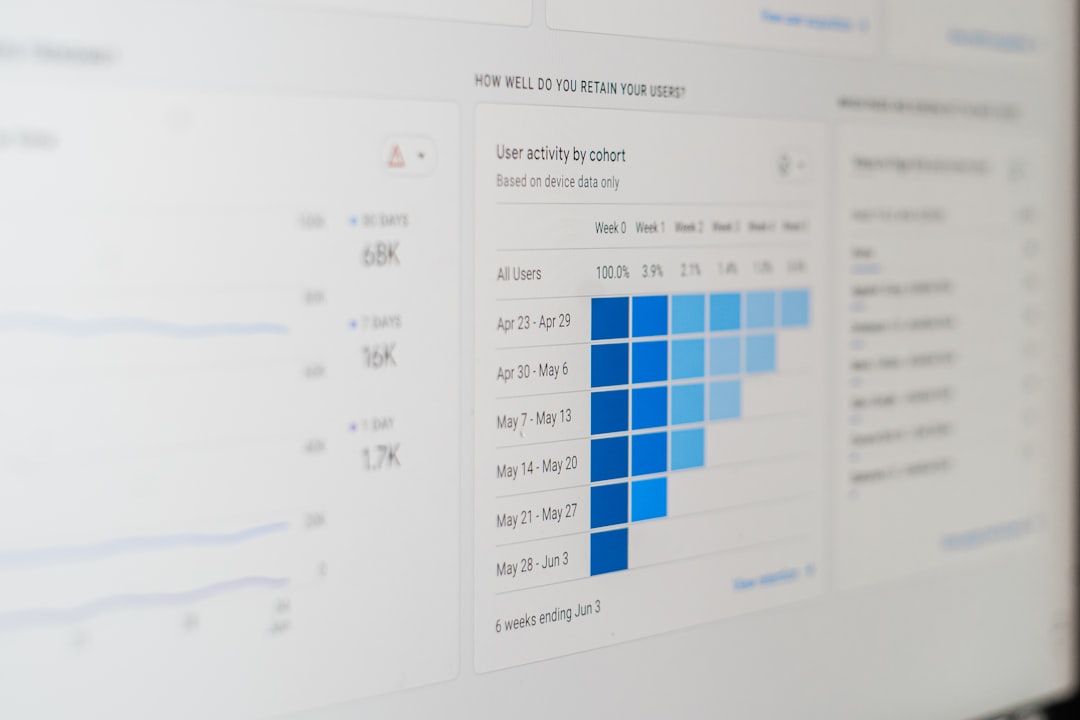
The impact of real-time research is twofold. First, it reduces uncertainty. Executives no longer rely on outdated figures to guide strategy. Second, it shortens decision cycles. Product launches, promotional campaigns, and operational adjustments can pivot quickly when early indicators signal opportunity or risk.
However, constant data flows create a new challenge: signal overload. Organizations that succeed in 2026 are not those with the most data, but those with systems capable of filtering for relevance.
2. AI Moves from Analysis Tool to Decision Partner
Artificial intelligence is no longer just a tool that processes spreadsheets. In many organizations, it serves as a strategic partner that identifies patterns invisible to human analysts. Machine learning models forecast demand fluctuations, detect emerging customer segments, and simulate potential market reactions before decisions are finalized.
Businesses now use AI to:
- Run predictive demand modeling across regions
- Identify churn risks before customers disengage
- Optimize pricing through dynamic elasticity analysis
- Forecast product success using historical analogs
- Summarize large volumes of qualitative feedback
Importantly, AI does not replace human decision-makers. Instead, it augments them. Executives rely on algorithmic outputs but validate recommendations with contextual understanding. For example, a predictive model may recommend raising prices due to inelastic demand patterns, but leadership must assess brand positioning and long-term perception before implementation.
In 2026, the most mature organizations maintain a clear division of responsibility: AI identifies probabilities; humans define priorities.
3. Customer Ecosystems Provide Holistic Insight
Traditional market research separated quantitative surveys from qualitative interviews. Today, businesses build unified customer ecosystems that capture the entire lifecycle. Every interaction—website visits, support chats, purchase histories, app usage, subscription renewals—feeds into a shared intelligence framework.
This integration allows companies to move beyond demographic segmentation toward behavioral and intent-based clustering. Rather than targeting “millennials in urban areas,” organizations now identify:
- High-frequency discount seekers
- Early adopters of premium features
- Customers sensitive to service delays
- Long-term loyalists with advocacy potential

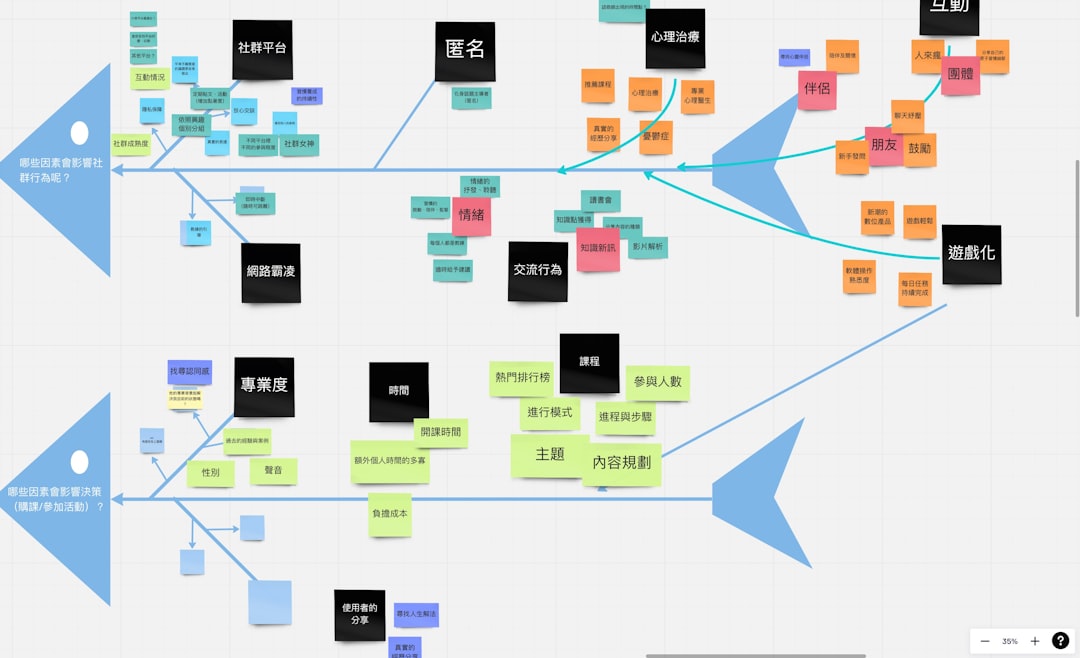
With this approach, decisions about marketing spend, feature development, and service improvements are grounded in actual behavior patterns. This reduces reliance on declarative statements alone, which historically did not always align with real-world actions.
Qualitative insights still matter. Interviews, focus groups, and community feedback platforms are regularly used to interpret behavioral data. If analytics show declining engagement, qualitative research explains why. The fusion of quantitative scale with qualitative depth defines research maturity in 2026.
4. Continuous Experimentation Replaces Big-Bet Decisions
Large, irreversible decisions based on single research reports have become rare. Instead, companies adopt cultures of continuous experimentation. Decision-making increasingly resembles scientific testing rather than executive intuition.
Common practices include:
- A/B testing new features before full rollout
- Pilot launches in limited geographic zones
- Controlled promotional experiments
- Real-time feedback loops for early adopters
Rather than asking, “Will this product succeed?”, organizations now ask, “What evidence do we need before scaling?” This reframing reduces financial risk and creates opportunities for iterative refinement.


Continuous testing also enhances accountability. When teams propose new initiatives, they define measurable success criteria in advance. Research is embedded in execution rather than presented as a preliminary gatekeeper.
However, experimentation requires discipline. Without clear frameworks, constant testing can fragment strategy. Successful organizations align experiments with broader corporate objectives and ensure that insights accumulate rather than scatter.
5. Cross-Functional Collaboration Shapes Final Decisions
Market research is no longer isolated within specialized departments. In 2026, decision-making involves collaboration among data analysts, product managers, marketing teams, finance leaders, and executive strategists.
This shift recognizes that insights only create value when combined with operational feasibility and financial viability. A research finding might reveal strong interest in a new service model, but operational teams must confirm resource capacity and supply chain stability before approval.
Many organizations now maintain decision councils or cross-functional research reviews where major findings are evaluated from multiple perspectives. This structure prevents tunnel vision and reduces the risk of overinterpreting isolated data points.
6. Governance and Ethical Oversight Are Strategic Priorities
As data becomes central to decision-making, ethical oversight has moved from compliance formality to strategic necessity. Consumers in 2026 are more aware of how their data is collected and used. Regulations across major global markets impose strict standards for transparency and consent.
Businesses now incorporate:
- Clear data usage disclosures
- Internal AI audit processes
- Privacy-by-design technology frameworks
- Ethical review boards for high-impact decisions
Ethical governance is not simply about avoiding penalties. Reputation risk directly impacts market value and customer loyalty. Organizations that demonstrate responsible data practices build stronger, longer-lasting relationships with customers.
7. Strategic Foresight Complements Immediate Data
While real-time analytics dominate operational decisions, strategic foresight remains essential for long-term positioning. Leading companies invest in scenario modeling, macroeconomic trend analysis, and geopolitical monitoring. These practices ensure that immediate signals are interpreted within broader market transformations.
For example, short-term demand spikes might appear promising, but foresight analysis could reveal regulatory headwinds or supply chain vulnerabilities on the horizon. Balancing immediate performance metrics with long-term outlook prevents reactive strategy shifts.
In many organizations, specialized foresight teams collaborate with data scientists to model multi-year scenarios using both structured data and expert judgment. Decision-making thus integrates probability modeling with strategic vision.
8. Human Judgment Remains the Final Filter
Despite sophisticated tools, technology does not eliminate uncertainty. Data reflects patterns of the past and present, but not creative breakthroughs or unforeseen disruptions. Ultimately, executive judgment remains the final decision layer.
Experienced leaders evaluate:
- Brand heritage and positioning
- Organizational strengths and limitations
- Cultural and societal signals
- Risk tolerance levels
In 2026, credibility in decision-making comes not from eliminating risk entirely, but from demonstrating disciplined evaluation. Stakeholders expect leadership teams to explain the data foundation of their decisions, outline potential risks, and justify chosen paths transparently.
Conclusion: Decision-Making as Infrastructure
Market research in 2026 is no longer a discrete function. It is an infrastructure woven into daily operations. Continuous data collection, AI-enhanced analysis, behavioral integration, disciplined experimentation, and ethical oversight form the backbone of modern decision systems.
Organizations that succeed treat research not as an expense but as a strategic capability. They invest in data quality, analytical literacy, and governance structures as foundational elements of competitiveness. They recognize that speed without rigor leads to volatility, while rigor without agility leads to stagnation.
The defining characteristic of market research today is not the volume of information available, but the ability to transform information into confident, timely action. In an environment defined by complexity and rapid change, structured decision-making—grounded in evidence and refined by human judgment—is the most valuable competitive asset a business can possess.