


In today’s digital economy, having a strong online presence is more crucial than ever for small and medium-sized businesses (SMBs). With consumers increasingly turning to the internet to find services, compare products, and make purchases, the importance of a professional, high-performing website cannot be overstated. One of the biggest decisions businesses face is whether to opt for custom website development or go with an off-the-shelf template solution.
TLDR
Custom website development offers significant benefits in scalability, performance, branding, and user experience, which can be crucial for small and medium businesses that aim for long-term growth. Although it involves higher upfront costs, the tailored solution often proves its value over time. Template websites may suffice for very basic needs, but they often come with limitations. For SMBs with specific goals and evolving demands, custom development is usually worth the investment.
What Is Custom Website Development?
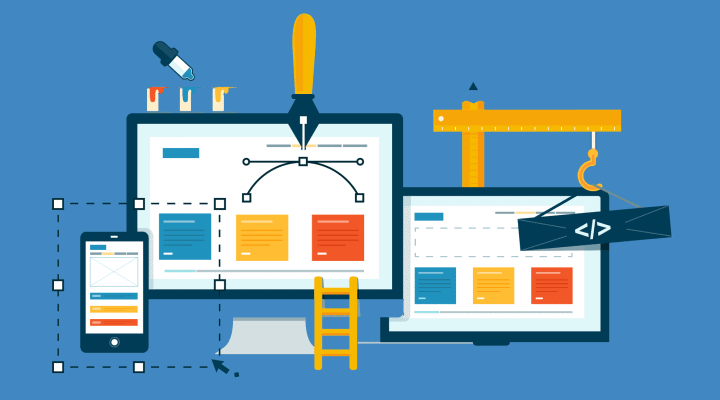
Custom website development involves creating a website from the ground up, tailored specifically to a business’s unique needs, branding, and functionality. Unlike template-based platforms, a custom-built site provides complete control over the design, user experience, performance, and integration with other systems.
This process usually requires collaboration with a team of professional developers, designers, project managers, and sometimes marketing consultants. It is typically more time- and resource-intensive, but it allows for a highly flexible solution that can scale as the business grows.
Initial Investment vs Long-term Value
The most immediate difference between a custom-built website and a templated alternative is the cost. A custom website for a small or medium business can range from a few thousand to tens of thousands of dollars, depending on features and complexity. This often leads many SMBs to initially favor cheaper solutions like WordPress templates, website builders such as Wix or Squarespace, or e-commerce platforms like Shopify.
But here’s what many don’t consider: custom development is not an expense—it’s an investment. The benefits of owning a high-performance, uniquely branded, and easily scalable platform can pay dividends in the form of improved SEO, user engagement, and conversion rates. Over time, these can outweigh the initial costs.
Benefits of Custom Website Development
- Full Brand Integration: Custom websites allow for a seamless and original presentation of your brand. You’re not limited to pre-set design structures or color schemes. A custom site reflects your brand language, ethos, and vision without compromise.
- Optimized Performance: A custom site is developed for your specific needs, which minimizes code bloat and improves load times — a critical factor for SEO and user retention.
- Scalability: As your business grows, your website can evolve with it. Whether you’re adding a new service, launching an e-commerce branch, or integrating new software, a custom-built website is prepared to adapt.
- Unique User Experience: With a bespoke approach, you can prioritize usability and navigation in a way that aligns with your audience, leading to higher engagement rates and more conversions.
- Advanced Security: Custom sites have fewer vulnerabilities than mass-produced templates and plugins, which are often targeted by hackers.

Drawbacks of Custom Website Development
Despite its many advantages, custom website development is not for every business, especially those operating on very tight budgets or needing a quick launch. Let’s examine the downsides:
- Higher Initial Cost: The upfront investment is significantly larger compared to using website builders or pre-designed templates.
- Longer Development Time: Building from scratch often means weeks or even months of work, depending on complexity.
- Resource Dependency: Once developed, maintenance and improvements often require the original development team or similarly skilled professionals.
However, for businesses that can manage the time and budget requirements, the rewards typically outweigh the drawbacks in the medium to long term.
Template-Based Alternatives: A Good Start?
It’s important to acknowledge that not every small business needs a custom-built website right away. For local shops, freelancers, and startups on a shoestring budget, platforms like WordPress, Shopify, or Squarespace can offer a fast and efficient path to getting online.
These platforms offer:
- Low cost and quick setup
- Pre-designed themes
- Basic SEO features
- Built-in analytics tools
However, these benefits come at a price:
- Limited customization options
- Generic branding
- Third-party plugin dependencies that may pose security risks
- Performance issues due to bloated codebase
If your business has ambitions to scale or differentiate itself in a competitive market, relying solely on templates can quickly become a growth bottleneck.
Custom Website Success Stories
Many small and medium businesses have seen measurable ROI from transitioning to custom websites. For instance, a boutique online retailer may begin on Shopify but hit limitations when trying to implement unique shopping experiences. By moving to a custom-built solution, they gain the freedom to fully personalize the customer journey, leading to increased conversion rates and customer loyalty.
Similarly, service-oriented businesses that upgrade to custom websites often see improvements in lead generation through optimized forms, booking integrations, and targeted SEO strategies tailored to local traffic.
Key Considerations Before Choosing
If you’re a small or medium business owner considering whether or not to invest in custom website development, ask yourself the following:
- What are my growth goals? If you plan to scale operations or enter new markets, a scalable website is essential.
- Do I need unique functionality? Features like custom pricing calculators, appointment booking systems, or member portals may necessitate a custom approach.
- How important is brand identity? The more important your brand differentiation is, the more valuable custom design becomes.
- What is my competition doing? If competitors have advanced digital presences, you may need to catch up—or surpass them.
Conclusion: Is It Worth It?
Yes—custom website development is worth it for many small and medium businesses, provided the goals align with the investment. If you’re simply establishing a basic online presence, then a templated solution may suffice. But for businesses looking to grow, elevate their brand, and offer seamless digital experiences to their customers, the flexibility and performance of a custom solution make a compelling case.
It is not just about what your website looks like today. It’s about what it can do for your business in the future. A thoughtful investment in custom development is an investment in your long-term success.