


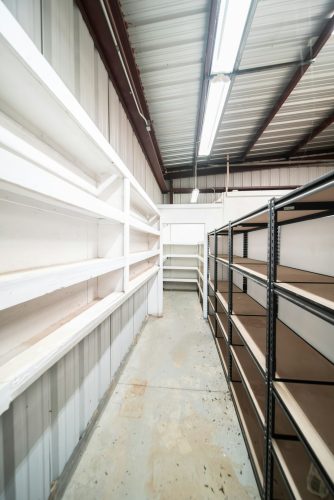
When you think about storage, you probably imagine boxes, bins, and maybe a few dusty shelves in a garage. But behind every efficient storage system is a well-designed interior built to last. The materials, the design, and even the layout—everything matters. Whether it’s a warehouse, a corporate archive room, or your walk-in closet, durable interior systems make organization not just possible, but easy and sustainable.
TLDR: What You Need to Know
Durable interior systems are essential for effective and long-lasting storage infrastructure. They ensure that heavy items stay secure, space is maximized, and the environment stays tidy. From materials like steel and polycarbonate to smart layouts and modular shelving, these systems are built to perform. Think of it like giving your storage space superpowers—stronger, smarter, and more organized!
Why Durability Matters
Have you ever had a shelf collapse under too much weight? Or a drawer get stuck when you need it most? That’s what happens when storage systems aren’t built to last. Durability is the difference between chaos and calm.
Durable interiors offer:
- Safety: No tipping shelves or collapsing compartments
- Longevity: Fewer repairs and replacements
- Efficiency: Everything stays organized over time
- Cost-effectiveness: One-time investment, long-term value
Simply put, tough materials and smart designs keep your items safer and your space cleaner.
Key Materials That Make It Strong
Not all materials are created equal. For storage infrastructure, you want those that can take a beating and keep going strong.
Here are the top contenders:
- Powder-coated Steel: Super tough, resistant to scratches and corrosion
- Industrial Plastic: Lightweight but sturdy; perfect for drawers and bins
- Plywood with Laminates: A nice mix of strength and appearance—great for closets or office spaces
- Aluminum: Lightweight, rust-proof, and easy to clean
- Polycarbonate Panels: Shatterproof and transparent—ideal for doors or covers
Each of these materials has its strengths, and they’re often combined for a hybrid solution depending on where they’re used.
Designs That Work Hard
Even the strongest materials won’t help if the design is wrong. A big part of any durable interior system is how it’s put together.
Some design elements to look out for:
- Modular Systems: Pieces that snap, slide, or screw together let you adapt to changing needs
- Load-Bearing Shelving: Engineered to hold more weight without bending
- Wall-Mounted Options: Keeps the floor free and adds stability
- Ventilation Panels: Prevent mold and keep equipment from overheating
- Ergonomic Access: Designs that make it easier to reach, slide, or lift items

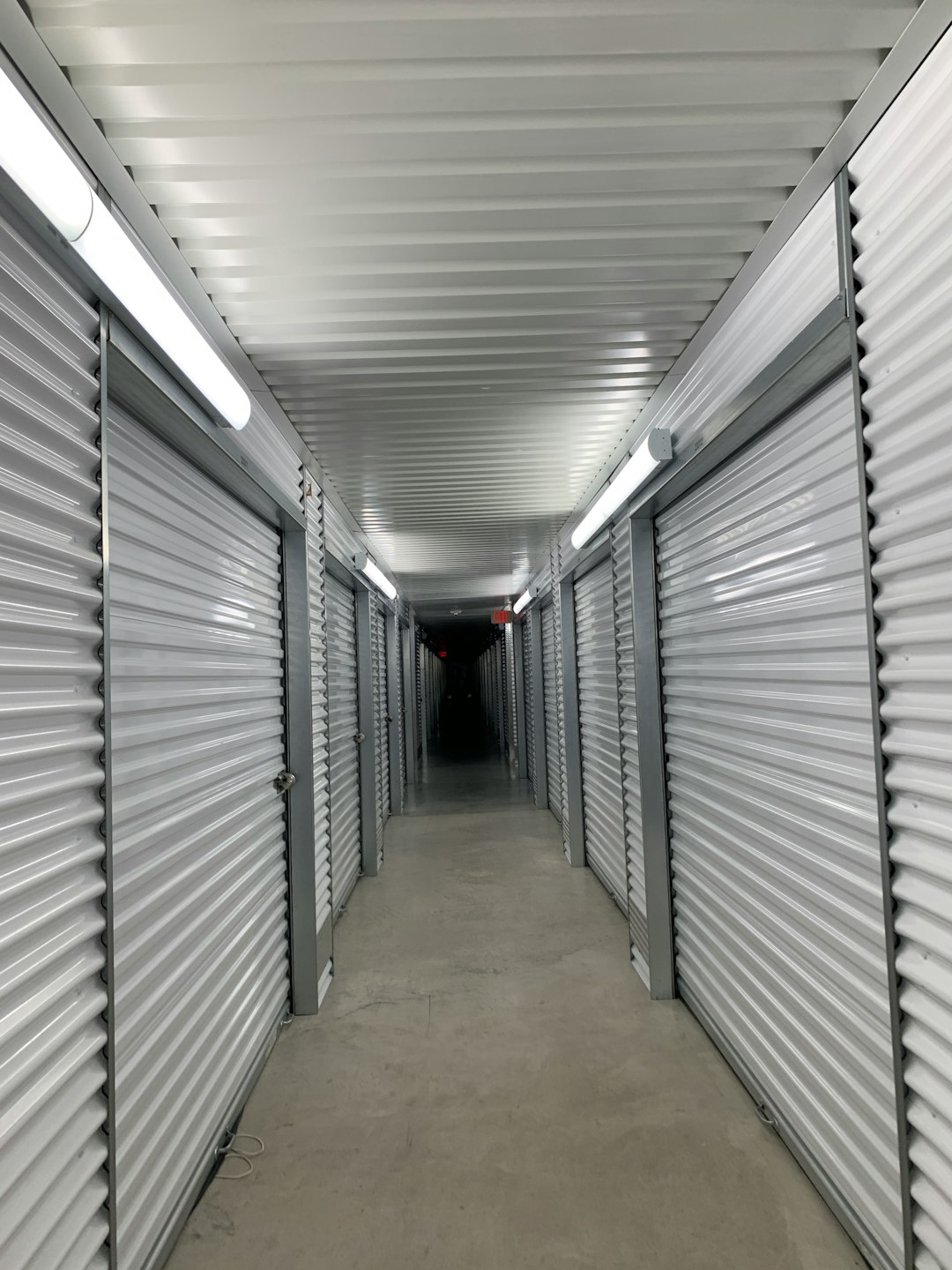
These smart design choices do more than just look good—they keep your system working year after year.
Environments that Depend on Durable Interiors
You might be asking, “Where does this really matter?” The answer: pretty much everywhere!
Here are a few places that can’t afford to cut corners on durability:
- Warehouses: Heavy-duty racking systems to handle loads of inventory
- Libraries: High-density shelving that can shift and slide to house thousands of books
- Data Centers: Cabinets with cooling vents and cable management built in
- Medical Facilities: Hygienic, corrosion-resistant drawers, bins, and shelving
- Home Garages: Custom steel cabinets that make even your hammer feel at home
From professional to personal, everyone needs robust storage at some level.
Maintenance = Long Life
Even the toughest systems need a little love. Regular maintenance keeps them in top shape and helps prevent small issues from becoming big problems.
Pro tips for extending the life of your interior systems:
- Clean surfaces: Dust and grime can cause scratches or corrosion
- Check fastenings: Make sure your bolts and brackets are tight
- Inspect for damage: Watch for signs of wear like warping or rust
- Lubricate moving parts: Helps drawers and sliding shelves glide effortlessly
A little upkeep goes a long way. Think of it like a spa day—for your storage shelves!
Modern Trends in Storage Interiors
Storage interiors aren’t stuck in the past. New tech and designs are making systems smarter than ever.
What’s trending now:
- Smart Shelving: Sensor-based inventory systems to alert you when supplies run low
- Eco-Friendly Materials: Recycled steel and biodegradable plastics
- Integrated Lighting: LED strips built into shelves so nothing hides in the shadows
- Tool-Free Assembly: Snap-together systems that don’t need a toolbox

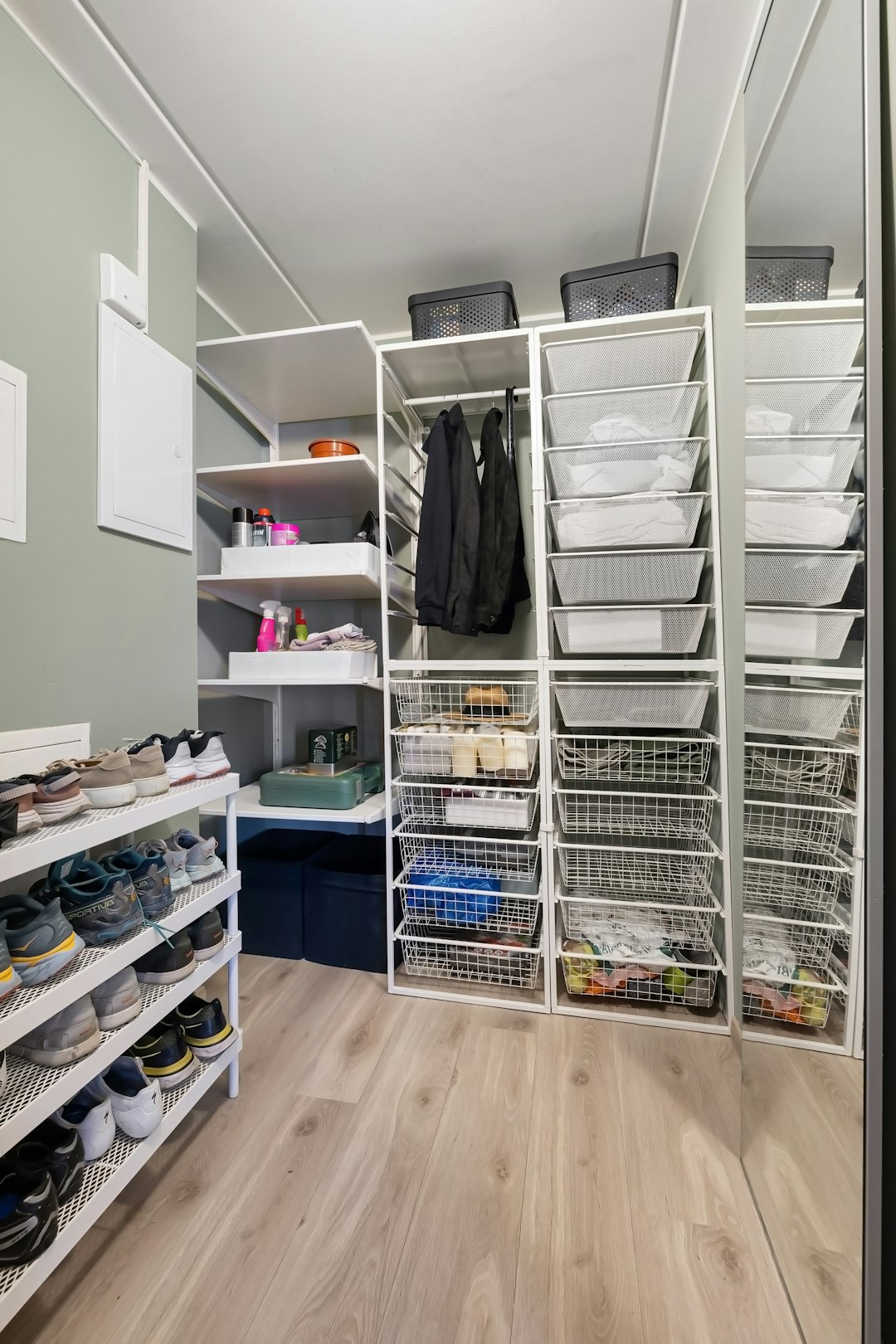
Storage has leveled up. It’s high-tech, eco-conscious, and more flexible than ever.
DIY vs. Professional Installation
If you’re pretty handy, you might be tempted to build your own system. That’s fine—for small jobs. But for large-scale storage infrastructure, big investments need professional hands.
Here’s a quick comparison:
- DIY: Cheaper, customizable, fun weekend project
- Professional: Engineered for safety, precision fit, warranties included
Pick what fits your situation. A few bins in your laundry room? DIY away. Setting up an archival storage room? Call the pros.
Final Thoughts
Durable interior systems are more than just shelves and brackets. They’re the bones of effective, efficient, and safe storage. With the right materials, solid design, and a little maintenance, your storage setup can last for decades.
So whether you’re organizing your home garage or running a megawatt warehouse—choose wisely, build smart, and enjoy the calm that comes with a clutter-free, durable space.
Because storage isn’t just about where stuff goes. It’s about how well it stays there.