

As industries become more connected and data-driven, the concept of the digital twin has moved from futuristic buzzword to practical business tool. Digital twin platforms such as Azure Digital Twins allow organizations to create dynamic, real-time virtual representations of physical environments, assets, and systems. These virtual models enable simulation, monitoring, and advanced analysis at a scale that was previously impossible. From smart buildings and manufacturing plants to energy grids and entire cities, digital twin technology is transforming how decisions are made and how operations are optimized.
TLDR: Digital twin platforms like Azure Digital Twins create virtual replicas of real-world systems, enabling real-time monitoring, simulation, and predictive analysis. They integrate IoT data, analytics, and cloud computing to improve efficiency and reduce risk. Businesses use them for smart buildings, manufacturing, energy management, and urban planning. By simulating scenarios before implementing them in the real world, organizations can save time, money, and resources while improving performance.
At its core, a digital twin is not just a 3D model. It is a living digital representation of a physical asset or system that continuously updates using real-time data from sensors, devices, and enterprise systems. Unlike static diagrams or CAD models, digital twins reflect the current state of the environment and allow users to test “what-if” scenarios safely within a virtual space.
What Is a Digital Twin Platform?
A digital twin platform provides the infrastructure and tools needed to:
- Model physical environments such as factories, offices, or infrastructure networks
- Ingest and process IoT data from connected devices and sensors
- Visualize relationships between people, places, and equipment
- Run simulations to test operational scenarios
- Apply analytics and AI for predictive insights
Azure Digital Twins, for example, allows developers to define complex spatial and logical relationships between assets using open modeling standards. It integrates seamlessly with other Azure services such as IoT Hub, Time Series Insights, Machine Learning, and Power BI for visualization and analytics.

How Azure Digital Twins Works
Azure Digital Twins acts as a knowledge graph that represents environments and their relationships. Every asset—whether it is a sensor, HVAC system, room, or production line—can be modeled as a twin. These twins are connected through defined relationships that reflect real-world dependencies.
The platform typically operates in several stages:
- Model Definition: Developers create a digital model using the Digital Twins Definition Language (DTDL).
- Data Integration: IoT devices stream telemetry data into Azure IoT Hub.
- Twin Updates: The incoming data updates properties of the relevant twins in real time.
- Event Processing: Business logic can trigger alerts or automated actions.
- Analytics and Visualization: Data can be queried, analyzed, and visualized via dashboards.
This architecture allows organizations to bridge the gap between physical operations and digital insights.
Simulation and Scenario Testing
One of the most powerful features of digital twin platforms is simulation. Rather than experimenting directly within live systems—where mistakes can be costly—organizations can model changes safely in a virtual environment.
Consider these examples:
- Manufacturing: Simulate production line adjustments before physically reconfiguring equipment.
- Energy Grids: Model load shifts and outage scenarios to improve grid resilience.
- Smart Buildings: Test HVAC optimization strategies before changing temperature policies.
- Urban Planning: Simulate traffic pattern changes before altering infrastructure layouts.
By running simulations, businesses gain insights into bottlenecks, resource consumption, and performance trade-offs without risking downtime.
Real-Time Monitoring and Predictive Maintenance
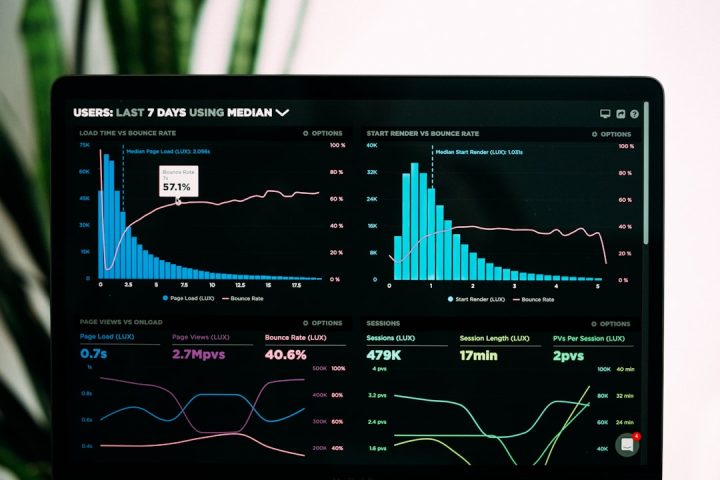
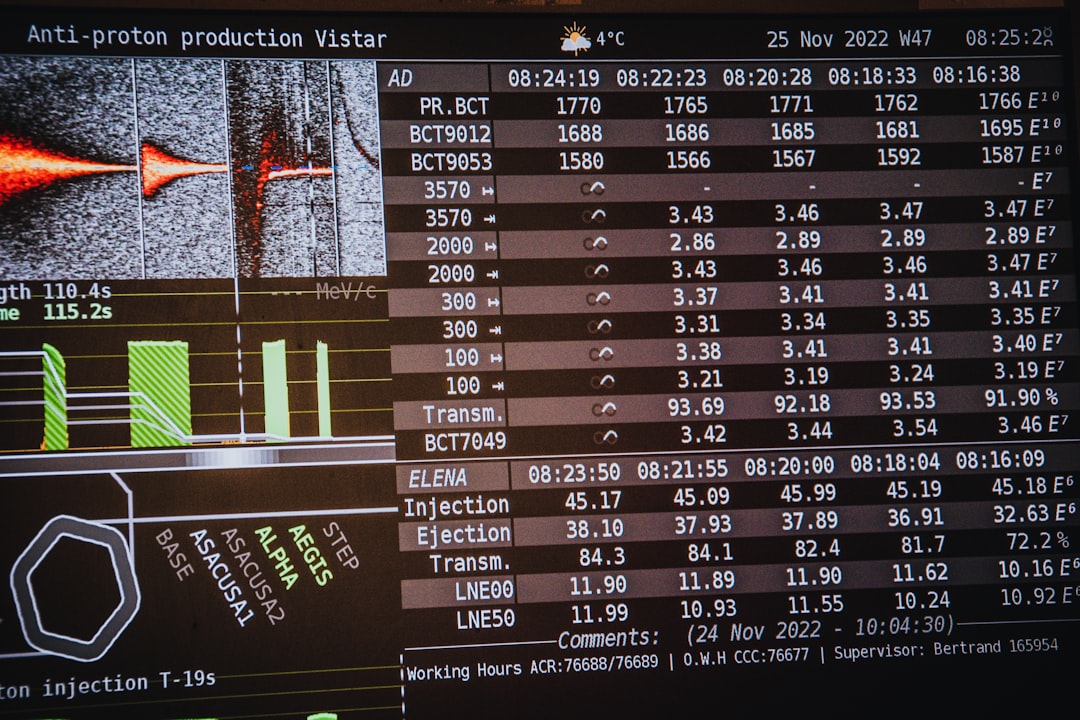
Digital twin platforms excel at real-time monitoring. Sensors embedded in physical assets continuously send telemetry data, which updates their digital counterparts. If anomalies occur, the system can trigger alerts instantly.
More importantly, when combined with machine learning, digital twins enable predictive maintenance. Instead of relying on scheduled maintenance cycles, businesses can:
- Detect early warning signs of component failure
- Predict equipment lifespan using historical performance data
- Reduce unplanned downtime
- Extend asset longevity
For example, vibration and temperature sensors on industrial motors might feed data into a twin model. Machine learning algorithms analyze patterns and predict when a motor is likely to fail. Maintenance can then be scheduled proactively, minimizing disruption.

Smart Buildings and Connected Spaces
Smart buildings represent one of the fastest-growing applications of Azure Digital Twins. Modern commercial buildings generate enormous volumes of data through HVAC systems, lighting controls, occupancy sensors, and security devices.
By creating a comprehensive digital twin of a building, facility managers can:
- Monitor real-time occupancy levels
- Optimize energy consumption
- Improve indoor air quality
- Enhance occupant comfort
- Streamline space utilization
For example, occupancy sensors can dynamically adjust lighting and climate control in underutilized areas. The digital twin provides a unified view, enabling managers to analyze trends across multiple floors or even across entire property portfolios.
Beyond efficiency, digital twins also support sustainability goals. By visualizing carbon emissions and energy consumption patterns, organizations can make data-driven decisions to reduce their environmental footprint.
Manufacturing and Industry 4.0
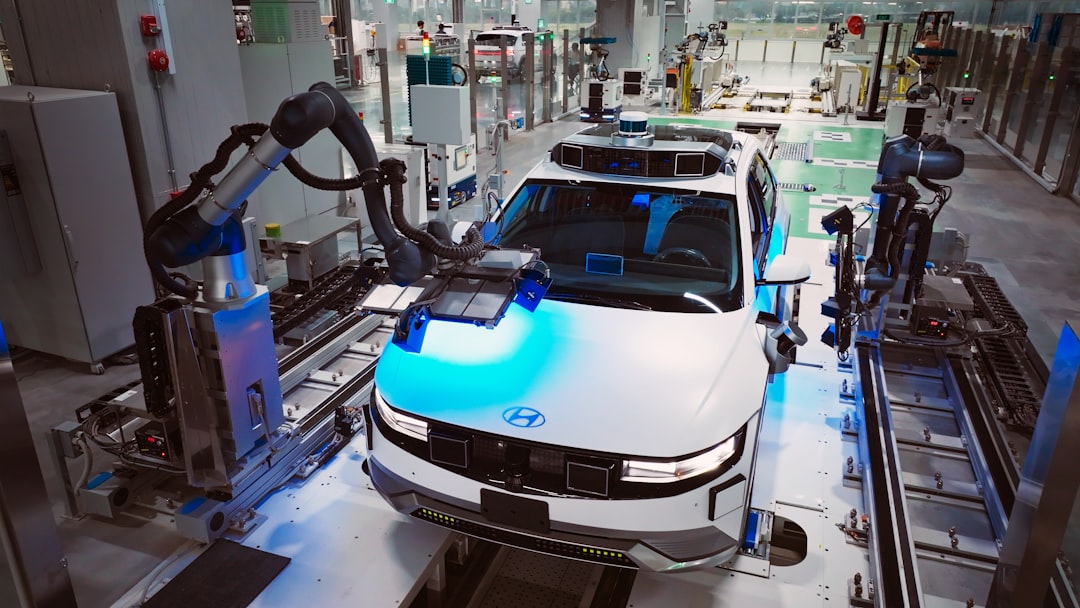
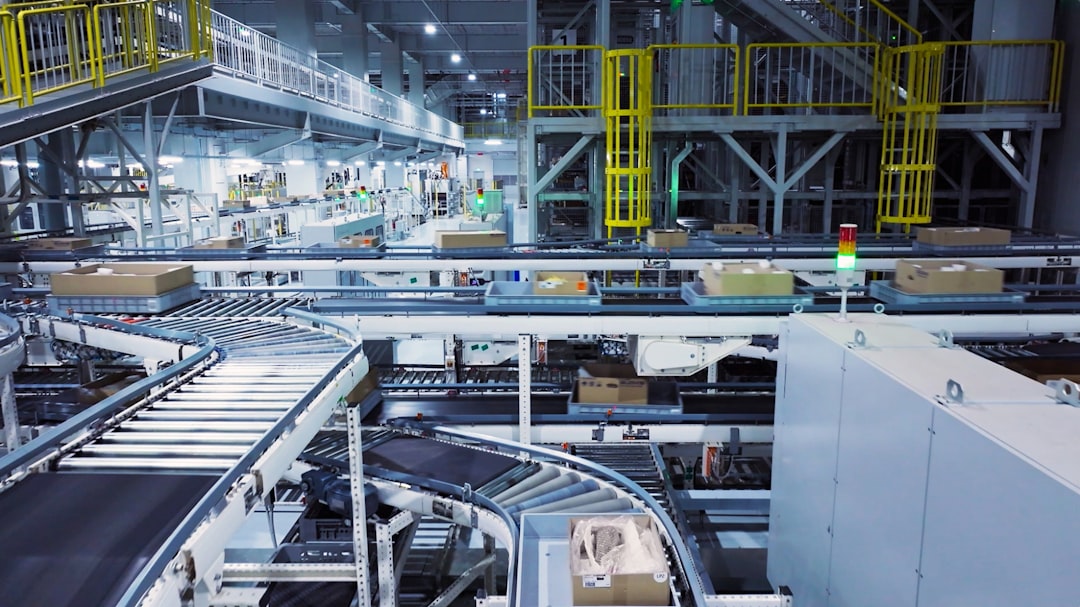
In manufacturing environments, complexity is the norm. Production lines include interconnected machines, robotic systems, human workers, and supply chain dependencies. Digital twin platforms bring coherence to this complexity.
With Azure Digital Twins, manufacturers can:
- Model entire production processes
- Track asset performance in real time
- Identify inefficiencies and waste
- Simulate workflow changes
- Improve worker safety
For instance, if a bottleneck occurs downstream in an assembly line, the twin model helps identify which upstream processes contribute to the slowdown. Managers can test adjustments virtually to find the optimal configuration before implementing changes on the factory floor.

Energy and Utilities Optimization
Energy providers face increasing pressure to manage distributed resources, renewable energy sources, and fluctuating demand. A digital twin of a power plant or distribution network allows operators to visualize energy flows in real time.
Key benefits include:
- Load forecasting using historical and real-time data
- Outage simulation to improve grid resilience
- Demand response optimization
- Integration of renewable sources such as wind and solar
Digital twins can also help cities manage water distribution systems, waste management infrastructure, and transportation networks. By analyzing consumption patterns, utility companies can operate more sustainably and efficiently.
Data Integration and Interoperability
One of the strengths of Azure Digital Twins is its ability to integrate with a broader cloud ecosystem. It connects seamlessly with:
- Azure IoT Hub for device connectivity
- Azure Event Grid for event-driven workflows
- Azure Machine Learning for predictive analytics
- Power BI for business intelligence reporting
- Time Series Insights for historical data exploration
This interoperability ensures that the digital twin is not isolated but becomes part of a comprehensive data strategy. Organizations can break down silos between IT and operational technology (OT), fostering greater cross-functional collaboration.
Security and Governance Considerations
Because digital twins rely heavily on connected devices and cloud platforms, security is a critical consideration. Azure provides enterprise-grade security features including:
- Role-based access control
- End-to-end encryption
- Network isolation options
- Compliance certifications
Strong data governance policies are equally important. Organizations must define who can modify twin models, access sensitive telemetry, or trigger automated responses. Proper governance ensures trust and reliability in mission-critical systems.
The Future of Digital Twin Platforms
The future of digital twins lies in greater intelligence and automation. As artificial intelligence becomes more sophisticated, digital twins will evolve from passive monitoring tools into autonomous decision-support systems.
We can expect:
- More advanced simulation engines
- Integration with augmented and virtual reality interfaces
- Edge computing for faster local insights
- Increased standardization across industries
Imagine maintenance technicians wearing AR headsets that overlay digital twin data directly onto physical equipment. Or city planners using immersive simulations to experience traffic changes before construction begins. These possibilities are already emerging.
Conclusion
Digital twin platforms like Azure Digital Twins represent a profound shift in how organizations understand and manage the physical world. By combining IoT connectivity, cloud computing, data modeling, and artificial intelligence, they create rich, interactive representations of real-world systems.
From optimizing energy use in smart buildings to streamlining production in factories and improving resilience in energy grids, digital twins empower organizations to move from reactive operations to proactive, simulation-driven strategies. As adoption grows and technologies mature, digital twins will become an essential component of digital transformation initiatives across virtually every industry.
In an era where efficiency, sustainability, and agility define competitive advantage, digital twin platforms provide the tools to see deeper, predict better, and act smarter.