


Running a business is exciting. But managing equipment, repairs, and maintenance? Not always. Things break. People forget. Paperwork gets messy. Deadlines slip. Money leaks out in small, sneaky ways.
That’s where a CMMS comes in. A Computerized Maintenance Management System helps you organize, track, and optimize maintenance work. It replaces sticky notes and spreadsheets with one clean, simple system.
TL;DR: A CMMS helps businesses stay organized, reduce downtime, and save money. It tracks maintenance tasks, schedules preventive work, and manages assets in one place. Teams work faster, equipment lasts longer, and surprises become rare. It’s like giving your maintenance team superpowers.
What Is a CMMS (In Plain English)?
A CMMS is software that helps you manage maintenance. That’s it.
But it does a lot inside that simple idea:
- Tracks equipment
- Schedules repairs
- Automates preventive maintenance
- Stores documents
- Logs work orders
- Monitors costs
Instead of reacting when something breaks, you stay ahead of problems. That’s powerful.

1. Less Downtime. More Productivity.
Downtime is expensive. Very expensive.
When a critical machine breaks, everything stops. Employees wait. Orders get delayed. Customers get frustrated.
A CMMS helps you:
- Schedule preventive maintenance
- Receive alerts before breakdowns happen
- Track equipment performance trends
This means fewer unexpected failures.
Proactive beats reactive every time.
Imagine fixing a loose belt during planned downtime instead of replacing a destroyed motor later. Small fix. Huge savings.
2. Better Preventive Maintenance
Many businesses rely on memory. Or spreadsheets. Or “Joe handles that.”
That works. Until Joe is on vacation.
A CMMS automatically schedules tasks like:
- Oil changes
- Filter replacements
- Safety inspections
- Calibration checks
It sends reminders. It assigns staff. It tracks completion.
No more guesswork.
Over time, equipment runs smoother. It lasts longer. You reduce emergency repairs.
And your team looks like heroes.
3. All Asset Information in One Place
How old is that compressor?
When was it last serviced?
How much has it cost over five years?
With a CMMS, you don’t dig through filing cabinets. You click once.
Each asset gets a digital profile including:
- Purchase date
- Warranty information
- Repair history
- Maintenance logs
- Associated documents and manuals
This makes decision-making easy.
If a machine keeps failing, you’ll see the pattern. Then you can decide: repair again or replace?
Data removes uncertainty.

4. Smarter Work Order Management
Work orders can get chaotic.
Sticky notes. Phone calls. Emails. Verbal requests shouted across the warehouse.
A CMMS brings order to the chaos.
With a CMMS, you can:
- Create digital work orders instantly
- Assign them to technicians
- Set priorities
- Track progress in real time
- Document labor and parts used
Everyone knows what they’re responsible for.
No confusion. No finger-pointing.
Managers can also track:
- Completion times
- Technician efficiency
- Backlog volume
This creates accountability. In a good way.
5. Reduced Maintenance Costs
A CMMS is not an expense. It’s an investment.
Here’s why:
- Fewer emergency repairs
- Less overtime pay
- Lower equipment replacement costs
- Better inventory control
Emergency repairs cost two to five times more than planned ones. That adds up fast.
And inventory?
No more over-ordering parts “just in case.”
A CMMS tracks spare parts inventory. It alerts you when stock runs low. It prevents both shortages and overstocking.
That means cash isn’t sitting on shelves collecting dust.
6. Improved Safety and Compliance
Safety is not optional.
Regulations exist for a reason. But keeping up with them can feel overwhelming.
A CMMS helps by:
- Scheduling required inspections
- Logging safety checks
- Storing compliance documentation
- Creating audit trails
If an inspector walks in tomorrow, you’re ready.
You can quickly produce reports showing maintenance history and completed safety tasks.
This reduces stress. And potential fines.
Organized records = confident inspections.
7. Better Team Communication
Maintenance teams often work across shifts. Communication gaps happen.
A CMMS keeps everyone on the same page.
Technicians can:
- Leave detailed notes
- Upload photos
- Update job status
Supervisors can see everything in real time.
No repeating work. No missed information.
It’s like a shared digital notebook. But smarter.
8. Data-Driven Decisions
Guessing is risky.
Data is powerful.
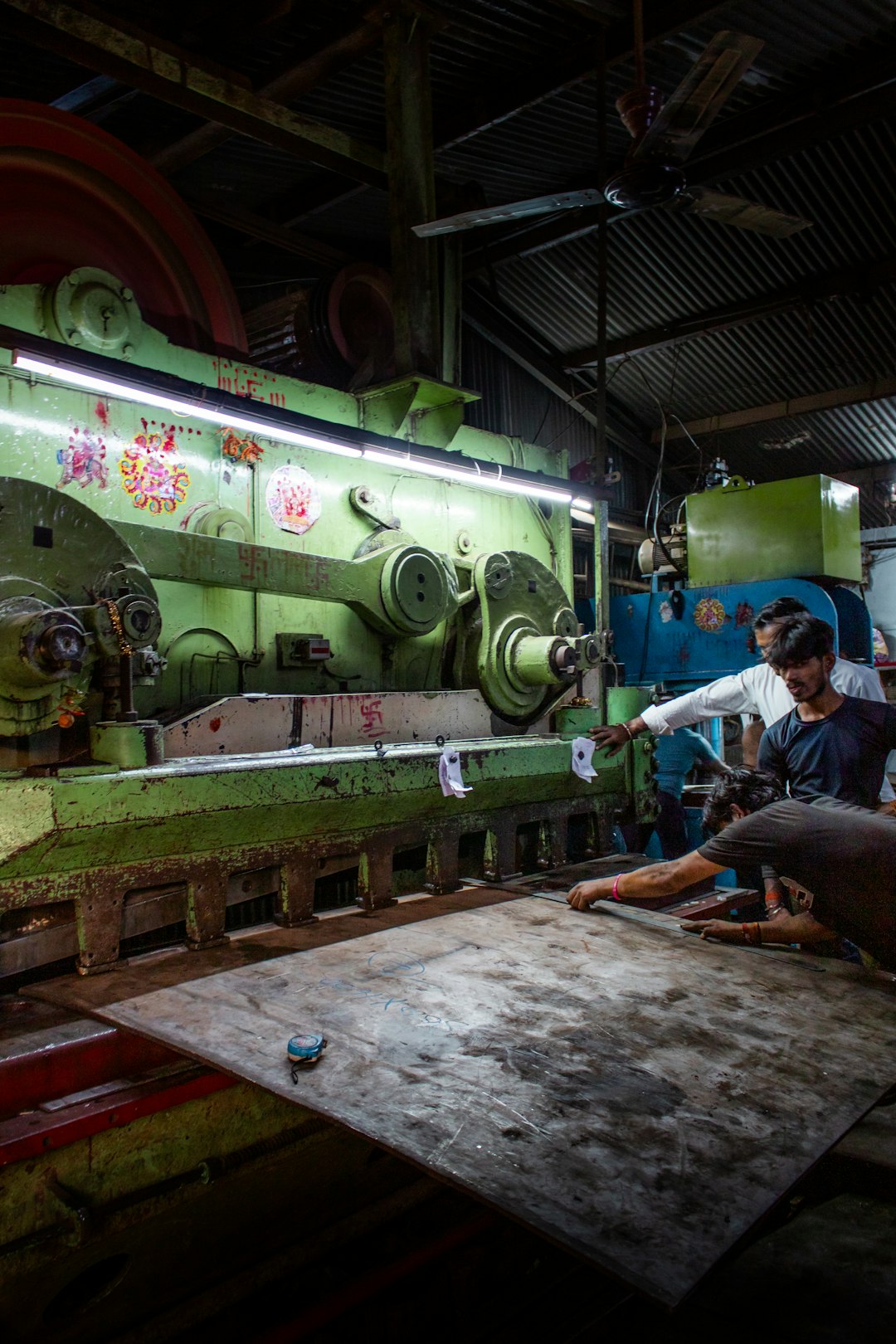
A CMMS generates reports on:
- Mean time between failures
- Maintenance costs per asset
- Labor hours
- Downtime trends
You can spot patterns quickly.
For example:
- Is one brand of equipment failing more?
- Is a specific part causing repeat issues?
- Are certain months more failure-prone?
With this insight, you can make smarter decisions.
And smarter decisions mean better profits.
9. Scalability for Growing Businesses
Growth is exciting.
More machines. More staff. More locations.
But growth also increases complexity.
A CMMS grows with you.
You can:
- Add new assets
- Create multiple locations
- Assign user roles
- Standardize processes
Instead of chaos, you get consistent systems.
This is especially valuable for businesses with multiple facilities.
Everything stays centralized.
10. Mobile Access for Modern Teams
Today’s technicians are not tied to desks.
They’re on the floor. On rooftops. In vehicles.
Modern CMMS platforms offer mobile access.
This allows technicians to:
- Receive tasks instantly
- Scan asset barcodes
- Upload photos from the field
- Close work orders on site
No paperwork. No delays.
Real-time updates improve speed and accuracy.
That’s a huge advantage in fast-paced environments.
Industries That Benefit Most from a CMMS
Almost any industry with equipment can benefit.
But it’s especially powerful in:
- Manufacturing
- Healthcare
- Hospitality
- Education
- Facilities management
- Energy and utilities
- Transportation
If you maintain physical assets, a CMMS can help.
Common Myths About CMMS
“It’s Only for Big Companies.”
Not true. Small businesses often benefit the most. They have fewer resources to waste.
“It’s Too Complicated.”
Modern CMMS systems are user-friendly. Many are designed for non-technical users.
“We’re Fine Without It.”
Maybe. But “fine” isn’t the same as optimized.
If you rely on paper or spreadsheets, there’s room to improve.
What to Look for in a CMMS
Not all systems are equal.
Look for features like:
- Easy-to-use interface
- Mobile compatibility
- Customizable reporting
- Preventive maintenance scheduling
- Inventory management
- Scalability
- Cloud-based access
Also consider support and training options.
Adoption is key. The best system is the one your team actually uses.
The Real Benefit: Peace of Mind
At the end of the day, a CMMS gives you something priceless.
Control.
You know:
- What needs maintenance
- When it’s scheduled
- Who’s responsible
- How much it’s costing
No more surprises.
No more scrambling during breakdowns.
Just smooth operations and clear visibility.
Final Thoughts
A CMMS is more than software.
It’s a strategy.
It shifts your business from reactive to proactive. From chaotic to organized. From guessing to knowing.
Equipment lasts longer. Teams work smarter. Costs go down.
And you can focus on growing your business instead of putting out fires.
In a world where time is money, a CMMS saves both.