


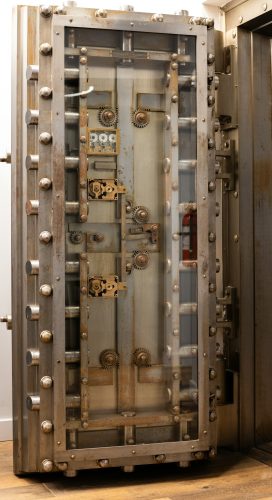
Escape rooms have gained immense popularity over the past decade, combining storytelling, problem-solving, and teamwork into one thrilling experience. Among the most heart-pounding themes, the Bank Heist Escape Room stands out as an adrenaline-charged adventure that immerses players in a high-stakes mission filled with security puzzles, time-sensitive strategies, and cinematic drama. Whether you are a seasoned escape room enthusiast or a curious first-timer, understanding the storyline, difficulty level, and techniques for success is key to mastering this intellectually demanding game.
TL;DR
The Bank Heist Escape Room throws players into the role of professional thieves determined to break into a vault before time runs out. This scenario often includes complex locks, surveillance systems, and multi-layered puzzles, making it quite challenging. To win, you’ll need sharp critical thinking, effective communication, and organized teamwork. Proper preparation and an understanding of typical puzzle patterns can greatly improve your chances of success.
Bank Heist Escape Room: Storyline Overview
The storyline of a bank heist-themed escape room typically revolves around a team of criminals—often portrayed by the players—on a mission to infiltrate a secured bank, disable its security systems, break into the vault, and escape with the loot before law enforcement arrives. This high-pressure scenario infuses excitement and immediacy, elevating the immersion and engagement in the game.
Players may begin the game confined to the alleyway behind the bank or inside a disguised hideout. As the game progresses, they must bypass multiple layers of security—such as keypads, laser sensors, alarm systems, and reinforced doors—each requiring critical thinking, logic, and sometimes physical agility to solve or navigate.

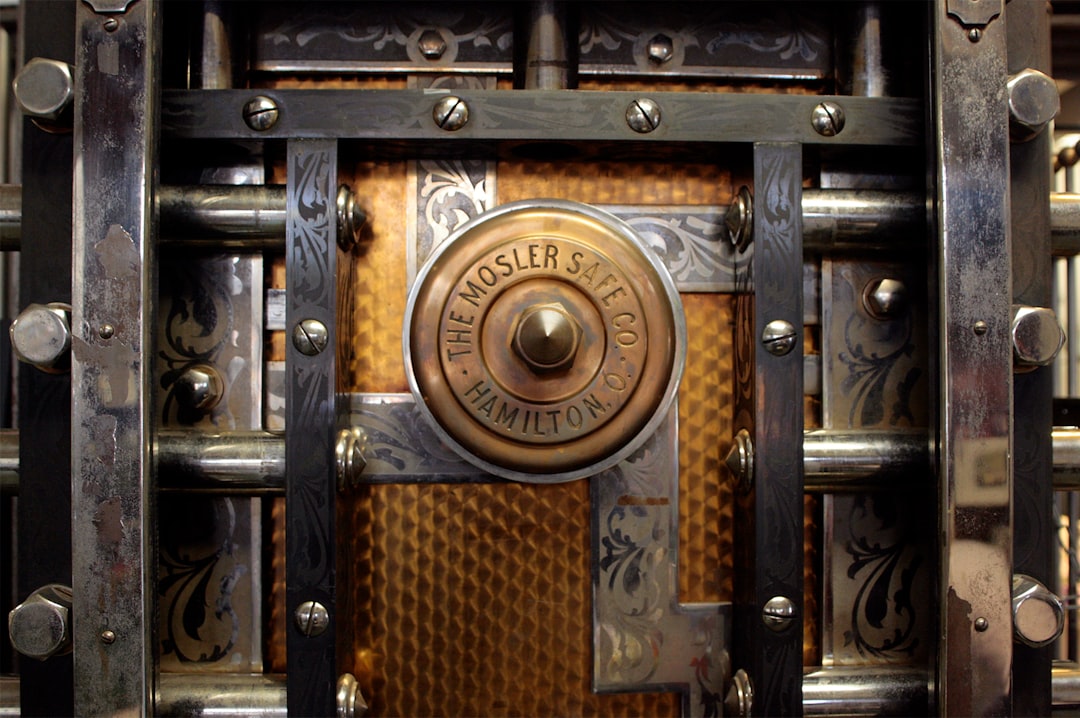
To intensify the thrill, game designers often include narrative elements like an inside informant, a ticking clock, or conflicting objectives within the team. While some rooms stick to a linear storyline, others offer non-linear paths, allowing teams to tackle different puzzles simultaneously, increasing both the difficulty and the sense of realism.
Difficulty Level: What to Expect
Bank heist escape rooms are typically considered to be of medium to high difficulty. The layers of interrelated puzzles and their dependency on group coordination make these rooms an ideal challenge for players with some prior escape room experience. That said, most remain accessible to newcomers who are quick learners and effective communicators.
Reasons for the heightened difficulty include:
- Complex Puzzle Design: Multi-stage puzzles involving items found across various parts of the room.
- Time Constraints: The pressure of a countdown, often less than 60 minutes, adds urgency to each task.
- Realistic Props and Technology: High-tech features like retina scans, magnetically sealed doors, and motion-detecting lasers that need to be manipulated properly.
- Team Dependency: Certain tasks require multiple people working in sync, such as bypassing two locks simultaneously located in separate areas.
Because of these factors, many bank heist rooms have success rates under 30%, a testament to the challenge they present.
Key Ingredients of a Bank Heist Puzzle Design
Though each escape room is unique, bank heist-themed scenarios often share certain structural elements. These may include a mix of physical puzzles and cerebral challenges, creating a dynamic experience that keeps players continuously on their toes.
Typical bank heist puzzles involve:
- Codebreaking: Deciphering numerical or alphanumeric combinations through riddles or hidden clues.
- Pattern Recognition: Identifying connections between elements like paintings, light sequences, or audio cues.
- Mechanical Manipulation: Interacting with objects to unlock secret compartments or disable faux alarms.
- Coordination Tasks: Simultaneous actions carried out by different players to simulate bypassing dual security systems.
- Search and Discovery: Recognizing disguised clues or secret compartments hidden in the environment.
Advanced rooms might incorporate AI-driven responses or branching storylines based on the team’s actions. These elements contribute to both the immersiveness and the complexity of the room.
Winning Techniques: How to Beat the Bank Heist Escape Room
Winning an escape room is never just about brute intelligence—it’s about a combination of smart strategies, collaboration, and time management. Below are several proven techniques to boost your odds of escaping with the prize.
-
Communicate, and then communicate some more
Make sure all team members share discoveries immediately. If someone finds a clue or solves a puzzle, announce it clearly. Silence or disjointed communication can lead to duplicated efforts or missed connections. -
Assign Roles Based on Strengths
Let logic-focused individuals handle code puzzles, put observant players on search duty, and let charismatic team members interact with in-game “actors” if they exist. Specializing can maximize efficiency. -
Keep the Room Organized
Separate solved puzzles from unsolved materials, and place used keys and tools in a designated area. This avoids confusion and saves valuable seconds as the timer ticks down. -
Use Clues Strategically
Most escape rooms allow teams to ask for hints. Don’t hoard them until it’s too late. If a puzzle is eating up more than 10 minutes, consider using a clue to regain momentum. -
Work in Parallel
Divide large groups to handle different parts of the room at the same time. While one subgroup deciphers a code, another might search for a hidden compartment or analyze a video feed. -
Stay Calm Under Pressure
The audio effects of sirens or countdowns are there to induce panic—don’t fall for it. Deep breaths and clear thinking often lead to breakthroughs where panic does not.

Is It Kid-Friendly?
Bank heist escape rooms are generally designed for adult or teen audiences due to their mature themes and intellectual challenges. However, some venues offer family-friendly versions of the experience with simplified puzzles and less intense scenarios. Always check the age recommendation and content warnings before booking a session if you’re planning to play with younger participants.
Final Thoughts
The Bank Heist Escape Room stands as one of the most complex and engaging escape room genres available. With meticulously crafted narratives, mind-twisting puzzles, and high-pressure environments, these rooms provide players a thrilling test of wit and resolve. Your success largely depends on strategy, not just smarts. Communication, organization, and adaptability truly make the difference in escaping—or getting metaphorically locked behind bars.
Whether you’re in it for the rush, the camaraderie, or the bragging rights, preparing yourself with the right mindset and tactics transforms even the most secure vault into a door waiting to be opened.